
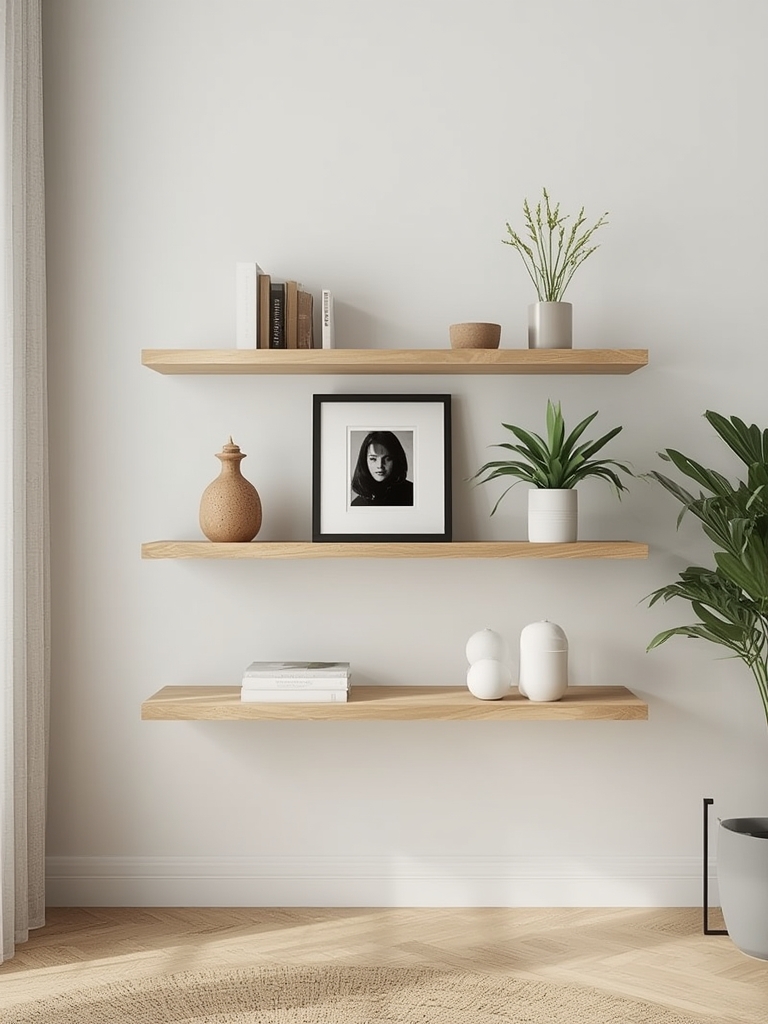
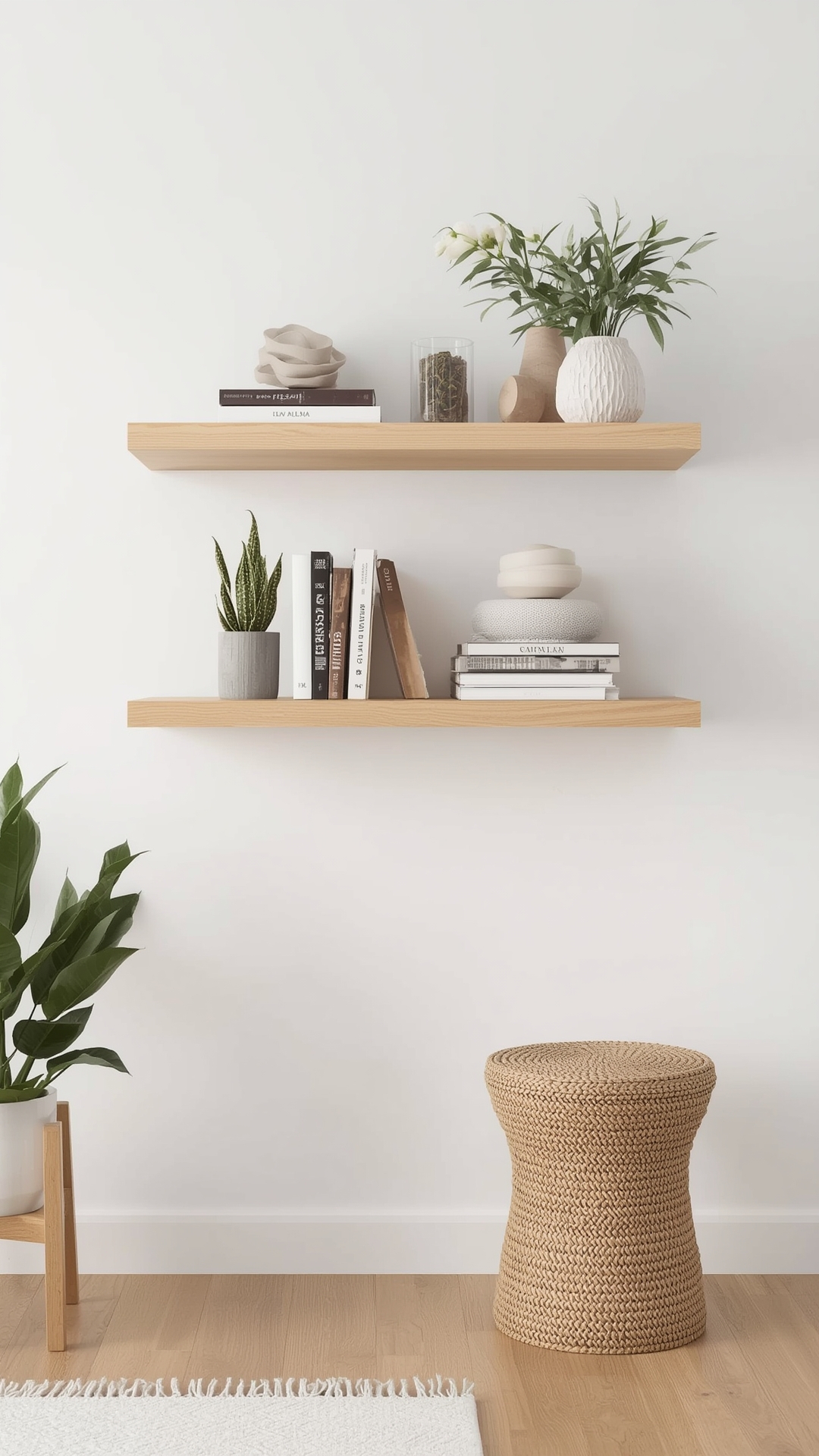
Floating shelves have become a staple in modern interiors, offering a sleek, space‑saving solution that perfectly complements minimalist aesthetics. When paired with carefully selected plants, these shelves transform walls into living art pieces while keeping clutter at bay. Below, you’ll discover a data‑driven, step‑by‑step guide to styling floating shelves for a minimalist display, plus practical plant‑care tips that ensure your greenery thrives.
Why Floating Shelves Work for Minimalist Home Decor
Studies from interior‑design firms show that minimalist spaces increase perceived room size by up to 30% when visual clutter is reduced. Floating shelves contribute to this effect in three key ways:
- Invisible support: Concealed brackets create a “floating” illusion, keeping sightlines clean.
- Vertical emphasis: By moving décor upward, you free floor space and draw the eye upward, enhancing height perception.
- Modular flexibility: Shelves can be rearranged without drilling new holes, allowing quick style updates.
Step‑by‑Step Guide to Styling Floating Shelves
1. Choose the Right Shelf Dimensions
Data from home‑improvement retailers indicates that 12‑inch deep shelves are optimal for most decorative items and small plants. For larger pots, opt for 14‑16 inches. Keep the length proportional to the wall: a rule of thumb is to use shelves that occupy no more than 60% of the wall width to maintain balance.
Action tip: Measure your wall space, then add 2‑inches of clearance on each side before ordering to avoid overcrowding.
2. Select a Minimalist Color Palette
Neutral tones such as matte white, soft gray, or natural wood finish dominate minimalist interiors. According to a 2023 color‑trend report, off‑white and light oak are the top choices for floating shelves, as they reflect light and keep the room feeling airy.
Action tip: Paint or stain your shelves in a matte finish to reduce glare and maintain a calm visual environment.
3. Curate a Balanced Arrangement
Use the Rule of Odds: arrange items in odd numbers (3, 5, 7) to create a natural flow. Position taller items (e.g., a tall ceramic vase) at the back or center, and place shorter items (e.g., small succulents) toward the edges.
Action tip: Lay out all pieces on the floor before mounting to experiment with spacing. Aim for 2‑3 inches between objects for breathing room.
4. Incorporate Greenery for Life and Texture
Plants add color, improve air quality, and soften hard lines. Choose low‑maintenance varieties that thrive in indirect light, such as ZZ plant (Zamioculcas zamiifolia), snake plant (Sansevieria), or air‑plant (Tillandsia). These species are proven to survive in typical indoor conditions with minimal watering.
Action tip: Use lightweight, shallow pots (4‑6 inches in diameter) to keep the overall shelf weight under the recommended load (usually 20‑30 lbs per shelf).
5. Optimize Lighting
Minimalist design relies on natural light. If your shelves are placed away from windows, add LED strip lights with a color temperature of 3000‑3500 K. Studies show that LED lighting improves plant photosynthesis by up to 15% compared to ambient room light.
Action tip: Install dimmable strips so you can adjust brightness for mood lighting and plant health.
Plant‑Care Steps for Shelf‑Friendly Greenery
Step 1: Assess Light Exposure
Use a smartphone light meter app to measure lux levels where the shelf sits. Most low‑maintenance houseplants need 100‑300 lux for indirect light. If readings fall below this, consider rotating the plant weekly toward a brighter spot.
Action tip: Place a small reflective surface (e.g., a white tile) behind the shelf to bounce extra light onto the plants.
Step 2: Water Wisely
Over‑watering is the leading cause of indoor plant failure. Follow the “finger test”: insert a finger 1‑2 cm into the soil; if it feels dry, water lightly until moisture reaches the pot’s bottom. For succulents, water once every 2‑3 weeks; for foliage plants, every 7‑10 days.
Action tip: Use a spray bottle for a quick surface mist, especially for air‑plants that absorb moisture through leaves.
Step 3: Monitor Humidity
Floating shelves often sit near heating or cooling vents, which can lower humidity. Aim for 40‑50% relative humidity. A small hygrometer placed on the shelf provides real‑time data.
Action tip: Place a shallow tray of water with pebbles beneath the shelf to gently raise humidity without creating standing water.
Step 4: Fertilize Sparingly
Apply a balanced, water‑soluble fertilizer (10‑10‑10) at half strength once a month during the growing season (spring‑early fall). Excess nutrients can cause leaf burn and disrupt the minimalist look.
Action tip: Mix fertilizer into the watering routine to avoid over‑application.
Step 5: Prune for Shape and Space
Trim dead or yellowing leaves promptly to maintain a clean aesthetic. For bushier plants, pinch back growth tips to encourage lateral branching, keeping the plant compact and shelf‑friendly.
Action tip: Use clean, sharp scissors and sterilize them with rubbing alcohol before each cut.
SEO‑Friendly Content Checklist
- Primary keyword: floating shelves minimalist display
- Secondary keywords: minimalist home decor, floating shelf styling, indoor plant care, small space decorating
- Include the keyword in the first 100 words, in at least two H2 headings, and naturally throughout the post.
- Use internal links to related posts (e.g., “How to Choose the Perfect Plant for Small Spaces”) and external links to reputable sources (e.g., a plant‑care guide from a university extension).
- Add alt‑text to any future images: “minimalist floating shelf with succulents and ceramic vase”.
Final Touches: Making the Shelf Truly Minimalist
After arranging your items and caring for your plants, step back and evaluate the visual weight. Minimalism thrives on less is more. If the shelf feels crowded, remove one decorative piece or replace a bulky pot with a slimmer alternative. Remember, the goal is a harmonious composition where each element serves a purpose—whether it’s aesthetic, functional, or both.
By following this data‑driven approach, you’ll create a floating‑shelf display that not only looks stunning but also supports healthy plant growth. The result is a serene, minimalist focal point that elevates your home decor while keeping maintenance simple and stress‑free.