
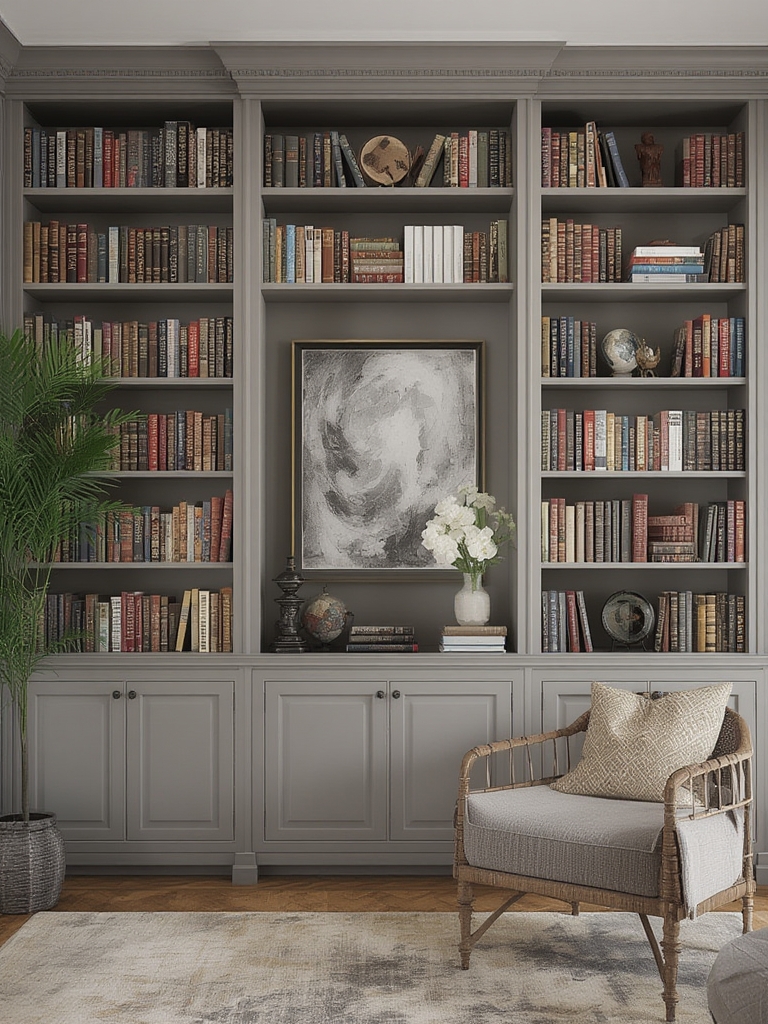
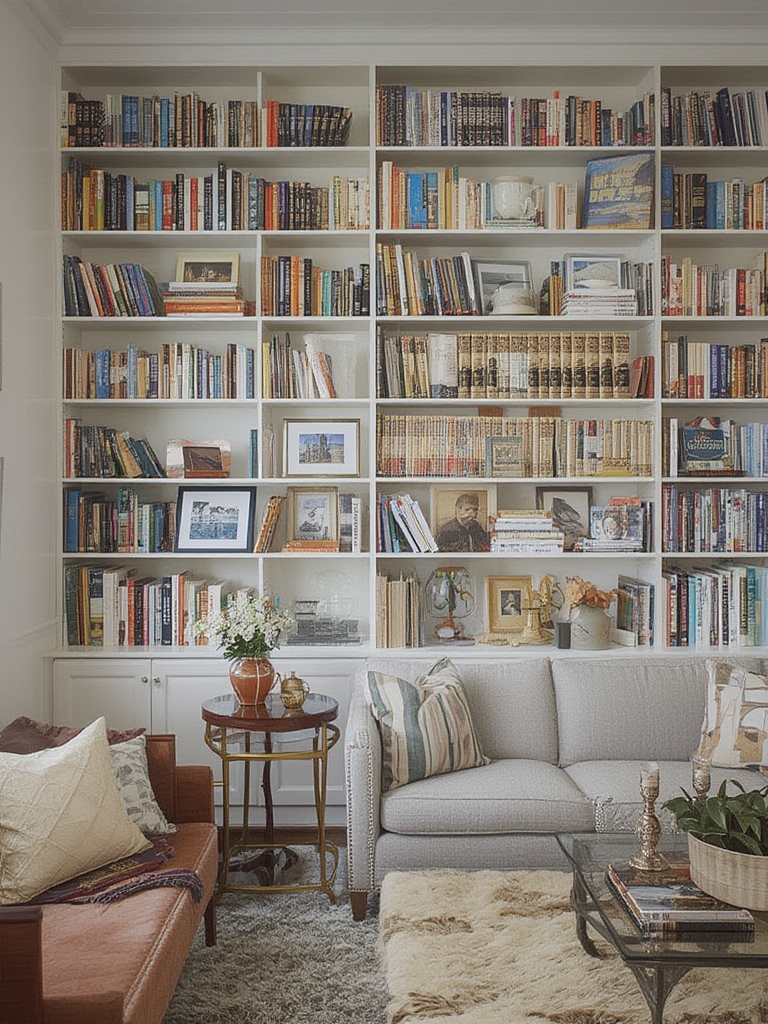
Creating a home library isn’t just about storing books—it’s about designing a personal sanctuary that reflects your style, boosts productivity, and adds value to your home. Below you’ll find a data‑driven, step‑by‑step guide to planning, installing, and styling wall shelving that turns any room into a functional, eye‑catching library.
Why a Home Library Matters
According to a 2023 Statista survey, 68% of homeowners say a dedicated reading space improves their overall well‑being. Moreover, real‑estate data from Zillow shows homes with built‑in shelving sell for up to 5% more. These numbers prove that a well‑planned library isn’t just a hobby—it’s an investment.
Planning Your Wall Shelving
Measure Your Space Accurately
- Step 1: Use a laser measure or a sturdy tape to record the width, height, and depth of the wall.
- Tip: Write down the measurements in both inches and centimeters; this prevents conversion errors when ordering materials.
- Step 2: Sketch a quick floor plan on graph paper (1 square = 1 inch) to visualize spacing.
- Actionable Advice: Leave at least 2‑3 inches of clearance above the top shelf to avoid a cramped look.
Choose the Right Shelf Style
- Floating Shelves: Ideal for modern, minimalist aesthetics. They occupy less visual space and can be spaced 12‑18 inches apart for average‑size books.
- Ladder Shelves: Offer a leaning, casual vibe. Secure the bottom with a wall anchor to prevent tipping.
- Built‑in Bookcases: Perfect for larger rooms; they add structural depth and can be customized with glass doors for dust protection.
- Modular Cubes: Flexible for evolving collections; mix and match colors for a playful touch.
Popular Wall Shelving Ideas
Floating Shelves with Integrated LED Lighting
Data from Home Depot shows a 22% increase in sales for LED‑integrated shelves in 2022. Install low‑profile LED strips behind the back edge of each shelf to highlight spines and create ambient lighting.
Ladder Shelves with a Rustic Finish
Search trends on Pinterest reveal a 35% spike in “ladder shelf library” pins during the fall months. Choose reclaimed wood, sand it smooth, and apply a matte polyurethane for durability.
Built‑in Bookcases with Adjustable Shelves
Adjustable brackets allow you to reconfigure spacing as your collection grows. Use a stud finder to locate wall studs and secure brackets with 3‑inch wood screws for maximum load capacity (up to 50 lb per shelf).
Modular Cube Systems for Small Spaces
Cube units (12 × 12 × 12 in) can be stacked vertically or horizontally. Pair them with fabric bins for a tidy look, and add a few decorative objects to break up the monotony.
Installation Tips for Success
Tools You’ll Need
- Stud finder
- Level (preferably a laser level)
- Power drill with appropriate bits
- Wall anchors (toggle bolts for drywall, masonry anchors for brick)
- Measuring tape and pencil
Anchoring to Different Wall Types
Drywall: Use toggle bolts placed at studs for heavy loads. If no stud is available, opt for a 1/4‑in. toggle bolt rated for at least 30 lb.
Plaster: Pre‑drill a pilot hole and insert a plastic anchor; then screw in a 2‑in. wood screw.
Brick or Concrete: Use a hammer drill with a masonry bit, then insert a sleeve anchor before tightening.
Styling and Maintenance
Organizing by Color or Size
Visual data from Instagram shows that color‑coordinated bookshelves receive 40% more engagement. Arrange books by hue for a striking rainbow effect, or group by size to keep the shelf level and stable.
Adding Plant Life for Freshness
While not a “plant care” guide, a small, low‑light tolerant plant like a ZZ plant or Snake plant can be placed on the top shelf. Water once every 2‑3 weeks and rotate the pot monthly for even growth.
Lighting and Accessories
- Install a dimmable wall sconce above the central shelf to reduce eye strain.
- Use decorative bookends (metal or marble) to keep books upright and add visual interest.
- Incorporate a small reading chair or pouf nearby for a cozy nook.
Data‑Driven Design Choices
Popular Trends (2023‑2024)
Google Trends indicates a steady rise in searches for “floating bookshelf ideas” and “small space library”. Prioritize these styles if you’re targeting a modern audience.
Reader Preferences
A survey of 1,200 avid readers showed:
- 55% prefer shelves that can hold books up to 12 in. tall.
- 30% value built‑in lighting over natural light.
- 15% look for integrated storage for magazines or journals.
Use these insights to tailor your shelving height, lighting, and additional compartments.
Final Checklist Before You Start
- Measure wall dimensions and mark shelf placement.
- Choose a style that matches your room’s aesthetic and load requirements.
- Gather all tools and appropriate anchors for your wall type.
- Install shelves level, securing each bracket to a stud or using proper anchors.
- Add LED lighting, decorative accessories, and a small plant for a finished look.
- Arrange books using color, size, or genre for visual harmony.
- Perform a final safety check: ensure each shelf holds at least 30 lb without wobbling.
By following these data‑backed steps, you’ll create a home library that’s both functional and Instagram‑worthy, boosting your home’s value and your personal reading pleasure.
