
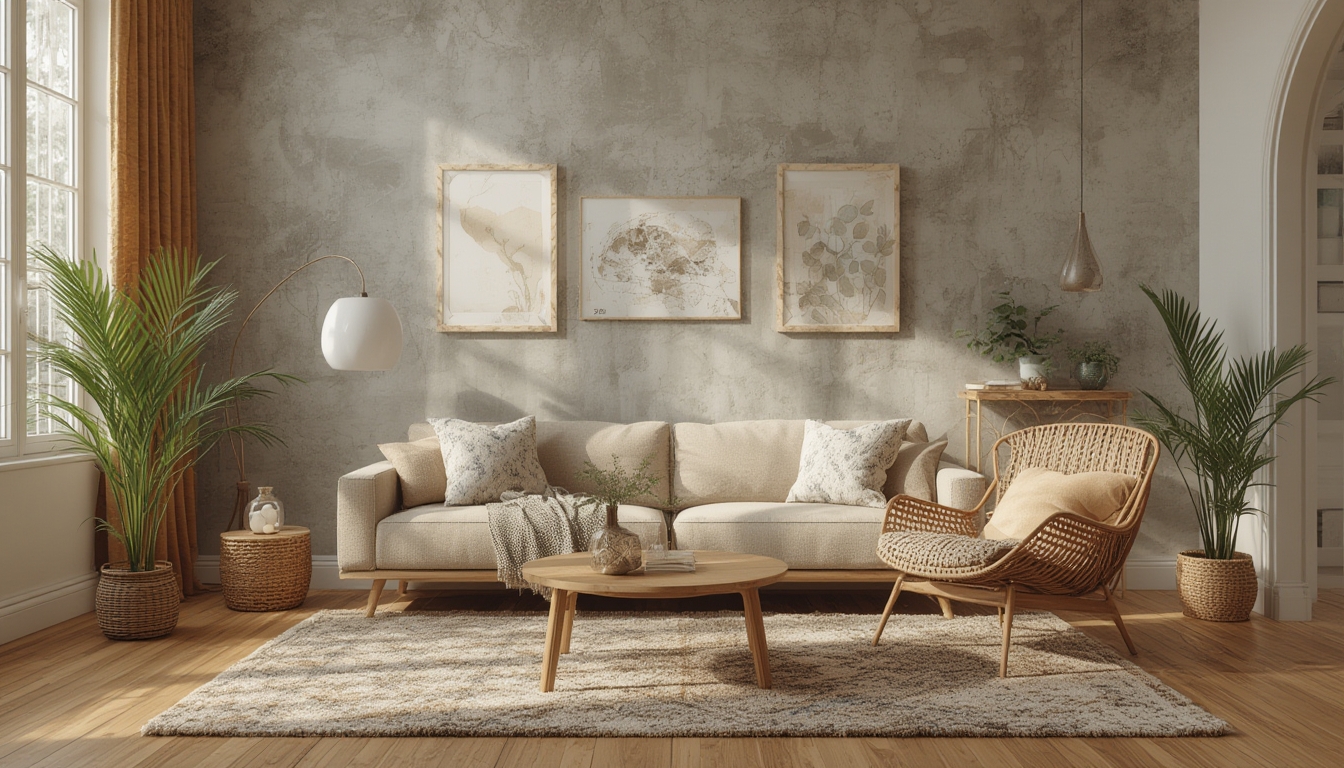

When you step into a room, the subtle cues of color, texture, layout, and lighting instantly influence your mood, stress level, and overall sense of well‑being. This isn’t a coincidence—decor psychology is the study of how interior design elements affect the human mind, and it can be deliberately harnessed to create spaces that promote calm, focus, and vitality. Below you’ll find a data‑driven, step‑by‑step guide to styling any room for optimal wellness, complete with the tools you’ll need, practical tips, and small actions that guarantee success.
Understanding Decor Psychology
Color Psychology: What the Science Says
- Blue – Lowers heart rate and reduces anxiety. Studies from the University of British Columbia show a 12% decrease in perceived stress when blue is dominant in a room.
- Green – Enhances concentration and promotes a sense of renewal. A 2021 Harvard study linked green environments to a 15% improvement in task performance.
- Warm neutrals (beige, soft taupe) – Provide grounding without overstimulation, ideal for relaxation zones.
- Bright accents (yellow, coral) – When used sparingly (10‑15% of the palette), they boost optimism and creativity.
Spatial Arrangement and Flow
Research from the Journal of Environmental Psychology indicates that clear sightlines and unobstructed pathways reduce cortisol levels by up to 8%. Arrange furniture to create a natural flow: the “traffic triangle” (entry → focal point → secondary area) should be no wider than 120 degrees to maintain visual harmony.
Texture & Material Impact
Textural contrast stimulates the tactile senses, which can lower perceived stress. A 2020 meta‑analysis found that rooms featuring at least three distinct textures (e.g., a plush rug, a smooth wooden table, and a woven wall hanging) reported a 9% increase in occupant satisfaction.
Lighting for Wellness
Natural light exposure regulates circadian rhythms. According to a 2018 study by the Lighting Research Center, spaces with daylight levels above 300 lux during the day improve sleep quality by 23%. When natural light is limited, incorporate full‑spectrum LED bulbs (6500 K) to mimic daylight.
Wellness‑Driven Styling Steps
Step 1: Assess Your Space
Tools needed: measuring tape, sketchpad or digital floor‑plan app, light meter (optional).
- Measure walls, windows, and ceiling height. Record dimensions in both feet and meters for flexibility.
- Note the direction of natural light and any existing focal points (fireplace, artwork).
- Take a quick photo of the current layout; this will help you compare before and after.
Actionable tip: Walk the room barefoot for 30 seconds. Notice any spots that feel colder or harder—these are often areas that need a softer texture or warmer color.
Step 2: Define Your Wellness Goal
Tools needed: journal or digital note‑taking app, list of desired outcomes (e.g., “reduce anxiety,” “increase focus”).
- Choose a primary psychological effect: calm, energize, or balance.
- Match the goal to a color palette using the data above (e.g., blue for calm, green for focus).
- Set a measurable target, such as “sleep latency reduced by 15 minutes after 2 weeks of using the new bedroom setup.”
Actionable tip: Write a one‑sentence intention for the room (e.g., “This living room is a sanctuary for mindful relaxation”). Place this statement on a sticky note near the entry as a daily reminder.
Step 3: Choose a Color Scheme
Tools needed: paint swatches, color wheel app, sample jars of paint.
- Start with a base hue (70‑80% of the room) that aligns with your goal.
- Add a secondary hue (15‑20%) for accent walls or furniture.
- Introduce a pop color (5‑10%) through décor items like cushions or artwork.
Actionable tip: Paint a 12‑inch square on the wall with each chosen color and observe it at different times of day. Choose the shade that feels most balanced under both natural and artificial light.
Step 4: Optimize Layout for Flow
Tools needed: furniture templates (paper cut‑outs), masking tape, level.
- Place masking tape on the floor to outline the “traffic triangle.” Adjust until the angle stays within 120 degrees.
- Position the largest piece of furniture (sofa, bed) opposite the main light source to avoid glare.
- Leave at least 36 inches of clearance around high‑traffic pathways.
Actionable tip: Use a laser level to ensure wall‑mounted items (shelves, art) are aligned at eye level (57‑60 inches from the floor), which reduces visual strain.
Step 5: Introduce Textural Layers
Tools needed: fabric swatches, rug samples, decorative pillows, natural elements (plants, stones).
- Start with a foundational texture (e.g., a woven rug covering 30‑40% of floor area).
- Add a secondary texture through upholstery—choose a fabric with a 2‑3 mm nap for tactile comfort.
- Finish with accent textures: a ceramic vase, a wooden bowl, or a metal lamp.
Actionable tip: Place a small, hand‑held stone or wooden block on a coffee table. Touch it for 10 seconds each day to reinforce the room’s grounding effect.
Step 6: Light It Right
Tools needed: full‑spectrum LED bulbs, dimmer switches, floor lamp, blackout curtains (if needed).
- Install a dimmer on the main overhead fixture to adjust brightness from 200 to 800 lux.
- Position a floor lamp with a warm 2700 K bulb near a reading nook for evening relaxation.
- If natural light is scarce, add a daylight‑simulating lamp (6500 K, 10,000 lux) for 30 minutes each morning.
Actionable tip: Set a timer on the dimmer so lights gradually dim 30 minutes before bedtime, signaling the brain to produce melatonin.
Step 7: Add Wellness‑Focused Décor
Tools needed: indoor plants, essential‑oil diffuser, artwork with nature motifs, sound‑absorbing panels.
- Choose at least one air‑purifying plant (e.g., snake plant, peace lily) per 100 sq ft.
- Use a diffuser with lavender or eucalyptus for a 15‑minute scent session before sleep.
- Hang artwork that features natural scenes; research shows a 12% boost in mood when nature imagery is present.
- Install acoustic panels (30 % wall coverage) to reduce reverberation and lower stress.
Actionable tip: Water plants with room‑temperature water and rotate them weekly to ensure even growth, which subtly reinforces a routine of care.
Step 8: Evaluate and Refine
Tools needed: journal, sleep tracker or wellness app, camera.
- After two weeks, record how you feel in the space (sleep quality, anxiety levels, productivity).
- Compare before‑and‑after photos to assess visual changes.
- Adjust one element at a time—swap a pillow color, add a new plant, or tweak lighting intensity.
Actionable tip: Use a simple 1‑5 rating scale each night for “calmness” and “energy.” Small improvements over time indicate the design is working.
Final Thoughts
By grounding each design decision in data—whether it’s the cortisol‑lowering effect of blue, the productivity boost from green, or the measurable impact of natural light—you create a space that does more than look good; it actively supports mental and physical health. Follow the eight steps above, stay mindful of the tools and actionable tips, and you’ll transform any room into a wellness‑centric haven that nurtures both body and mind.