
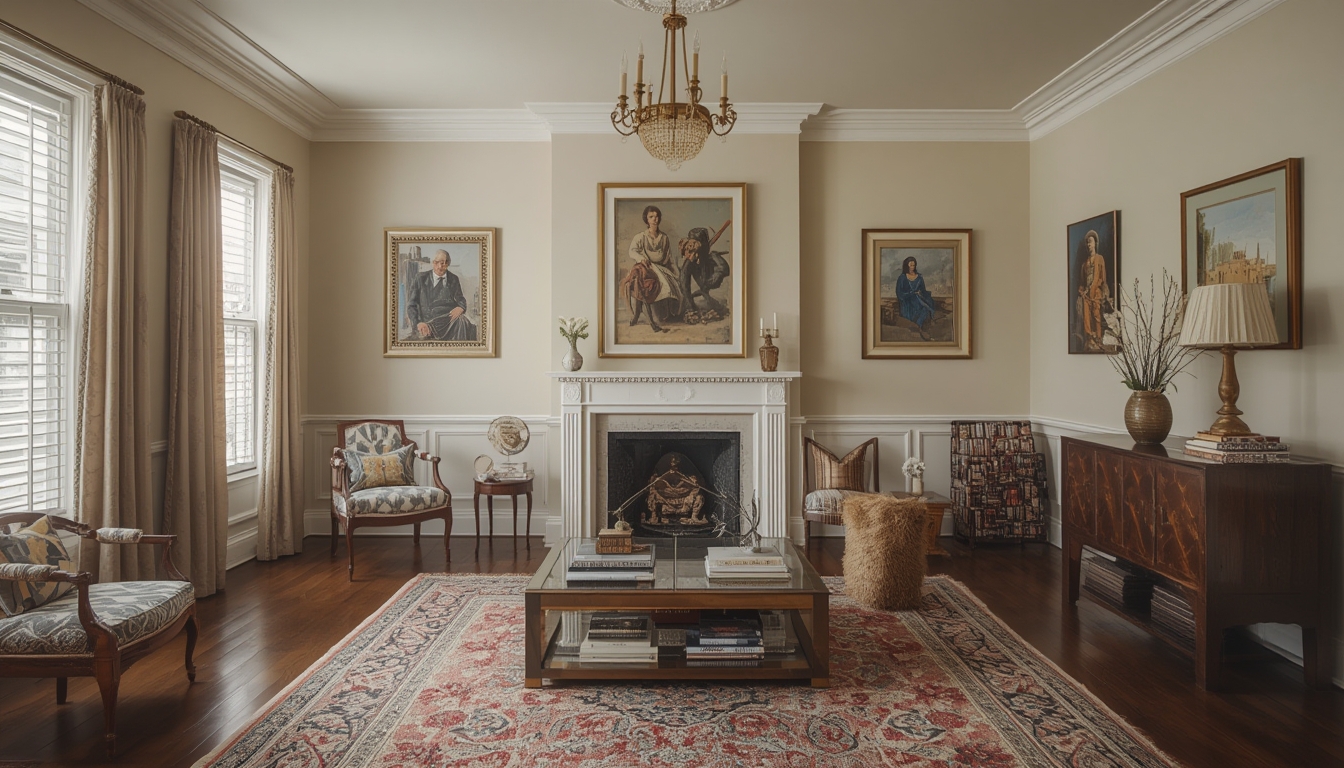

Living Room Revival: Transforming the Heart of Your Home
Step 1: Assess and Measure
Begin by taking precise measurements of your floor space, windows, and ceiling height. Use a laser distance measurer or a sturdy tape measure. Record the dimensions in a simple spreadsheet to compare against furniture footprints. This data‑driven approach prevents over‑crowding and ensures each piece fits comfortably.
Step 2: Declutter and Sort
Separate items into three categories: keep, donate, and discard. For each category, note the quantity and approximate weight; this helps you plan moving logistics. Store “keep” items in clearly labeled bins to avoid re‑introducing clutter later.
Step 3: Choose a Focal Point
Identify a natural focal point—often a fireplace, large window, or media console. Use a floor plan app to experiment with different layouts, positioning the main seating arrangement to face this point. Data from the app will show traffic flow and sight lines, ensuring a balanced layout.
Step 4: Assemble New Furniture
Gather the required tools: Phillips screwdriver, Allen wrench set, rubber mallet, and a level. Follow the manufacturer’s diagram step‑by‑step, tightening bolts only after the piece is positioned on the floor to avoid misalignment. Use the level to confirm that all legs sit evenly; uneven legs cause long‑term wear.
Step 5: Add Textiles and Accents
Layer a neutral rug (measure at least 2‑feet beyond the coffee table) and add throw pillows in complementary hues. Use a color‑wheel calculator to select accent colors that maintain visual harmony. Small actions—like rotating pillows weekly—keep the space feeling fresh.
Kitchen Revival: Functional Beauty in Every Corner
Step 1: Inventory Existing Fixtures
List each appliance, cabinet, and countertop with its age and condition. A quick spreadsheet can highlight items that need replacement versus those that can be refreshed with paint or hardware.
Step 2: Plan the Workflow Triangle
Measure the distance between the sink, stove, and refrigerator. Aim for a total of 12‑15 feet to optimize efficiency. If the current layout exceeds this range, consider swapping cabinet positions or adding a mobile island.
Step 3: Refresh Cabinets
Tools needed: sanding block, paint sprayer or brush, painter’s tape, and new brushed‑nickel handles. Sand each door lightly, wipe clean, then apply a primer suitable for laminate. Use a sprayer for a smooth finish; a brush works for detailed areas. Install new handles to instantly modernize the look.
Step 4: Upgrade Lighting
Replace outdated fluorescent fixtures with LED pendants or under‑cabinet strips. Use a voltage tester to ensure safety before removal. Position lights 18‑24 inches above countertops for optimal task illumination.
Step 5: Add Functional Accessories
Install a pull‑out trash bin and a magnetic knife strip. Both require only a drill and a level. These small upgrades free up drawer space and keep tools within easy reach, enhancing daily workflow.
Bedroom Revival: Creating a Restful Sanctuary
Step 1: Evaluate Mattress Health
Check the mattress for sagging by pressing the center with your hand; a dip greater than 1.5 inches suggests replacement. Record the mattress size and type in a log for future reference.
Step 2: Optimize Bed Placement
Use a floor plan tool to test different orientations. Position the headboard against a solid wall, avoiding windows to reduce drafts. Ensure at least 24 inches of clearance on each side for easy movement.
Step 3: Assemble a New Headboard
Materials: reclaimed wood panels, sandpaper, wood stain, and mounting brackets. Cut panels to the desired height (typically 48‑60 inches). Sand, stain, and let dry for 24 hours. Secure brackets to the wall studs using a stud finder and a drill.
Step 4: Layer Bedding for Comfort
Start with a high‑thread‑count fitted sheet, add a breathable duvet, and finish with two to three decorative pillows. Use a fabric‑care guide to wash each layer at the recommended temperature, extending the lifespan of textiles.
Step 5: Add Ambient Lighting
Install dimmable wall sconces on either side of the bed. Use a voltage tester, connect the wires according to the manufacturer’s wiring diagram, and set the dimmer to a low wattage (5‑10 W) for a calming glow.
Bathroom Revival: Spa‑Like Efficiency
Step 1: Conduct a Leak Audit
Turn on each faucet and shower, then check for drips using a dry paper towel. Record any leaks in a maintenance log; a single drip can waste up to 3,000 gallons per year.
Step 2: Replace Outdated Fixtures
Tools: adjustable wrench, plumber’s tape, and a bucket. Unscrew the old faucet, clean the mounting surface, and apply plumber’s tape to the threads before installing the new fixture. Tighten securely but avoid over‑torquing, which can crack ceramic bases.
Step 3: Refresh Tile Grout
Mix a grout cleaning solution (1 part vinegar to 3 parts water) and apply with a small brush. For deeper stains, use a grout remover gel and follow the product’s timing guidelines. Rinse thoroughly and seal with a grout sealer for durability.
Step 4: Add Storage Solutions
Mount a floating shelf using a stud finder and a level. Choose a shelf depth of at least 8 inches to accommodate towels and toiletries. Secure with stainless‑steel brackets for rust resistance.
Step 5: Introduce Soft Textiles
Hang a plush bath mat (minimum 24 × 36 inches) and place matching hand towels on a heated towel rack. Use a hygrometer to keep humidity between 40‑60 % to prevent mold growth.
Home Office Revival: Boosting Productivity
Step 1: Map Your Workflow
List daily tasks and identify the tools required for each. Plot these on a whiteboard to visualize the most efficient arrangement of desk, printer, and storage.
Step 2: Choose an Ergonomic Desk
Measure the available floor space and select a desk that allows a 24‑inch clearance for legroom. Opt for a height‑adjustable model; set the surface at elbow height (approximately 28‑30 inches for most users).
Step 3: Assemble the Desk
Tools: hex key, screwdriver, and a rubber mallet. Follow the step‑by‑step manual, ensuring each connector is tightened to the torque specifications (usually 5‑7 Nm). Use a level to confirm the tabletop is perfectly horizontal.
Step 4: Optimize Lighting
Position a daylight‑balanced LED lamp (5000 K) at a 45‑degree angle to reduce screen glare. Use a light meter app to keep illumination between 300‑500 lux for comfortable reading.
Step 5: Organize Cables
Install a cable management tray under the desk. Bundle cords with Velcro ties, labeling each with a heat‑shrink marker. This reduces visual clutter and simplifies future upgrades.
Final Checklist: Ensuring a Successful Room‑by‑Room Revival
- Document measurements, tools, and materials for each room before starting.
- Keep a master spreadsheet tracking progress, costs, and time spent.
- Test all assembled pieces for stability before full use.
- Schedule a weekly walkthrough to spot any adjustments needed early.
- Celebrate each completed room with a small ritual—like a coffee in the new kitchen—to reinforce the sense of accomplishment.
