
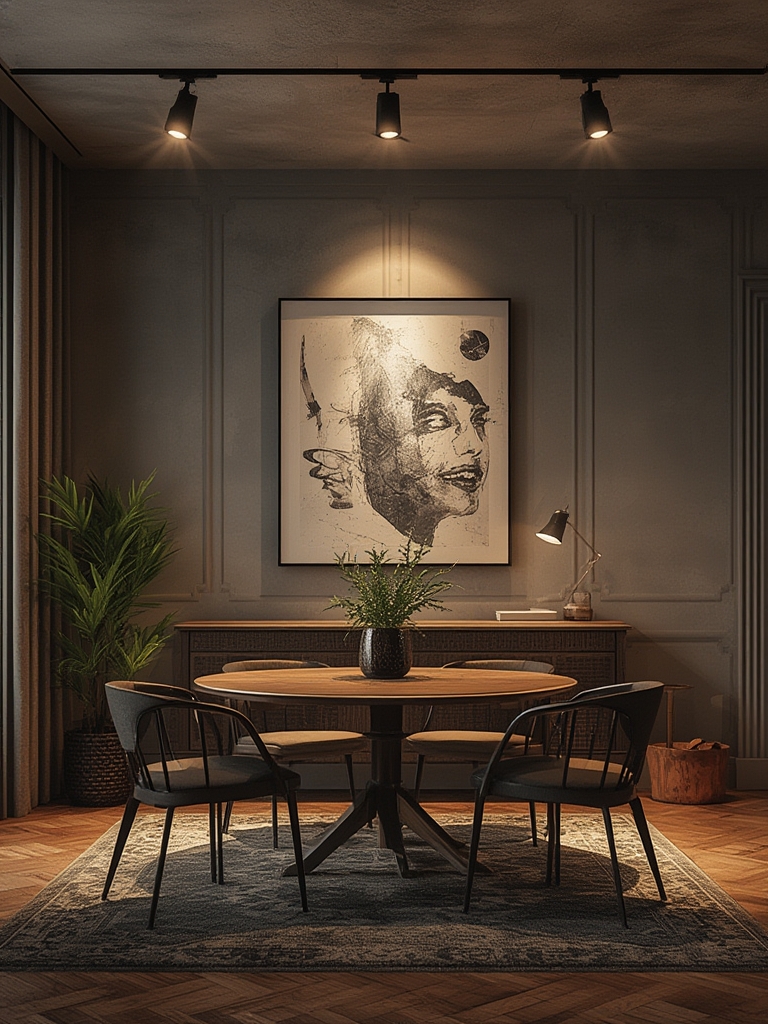
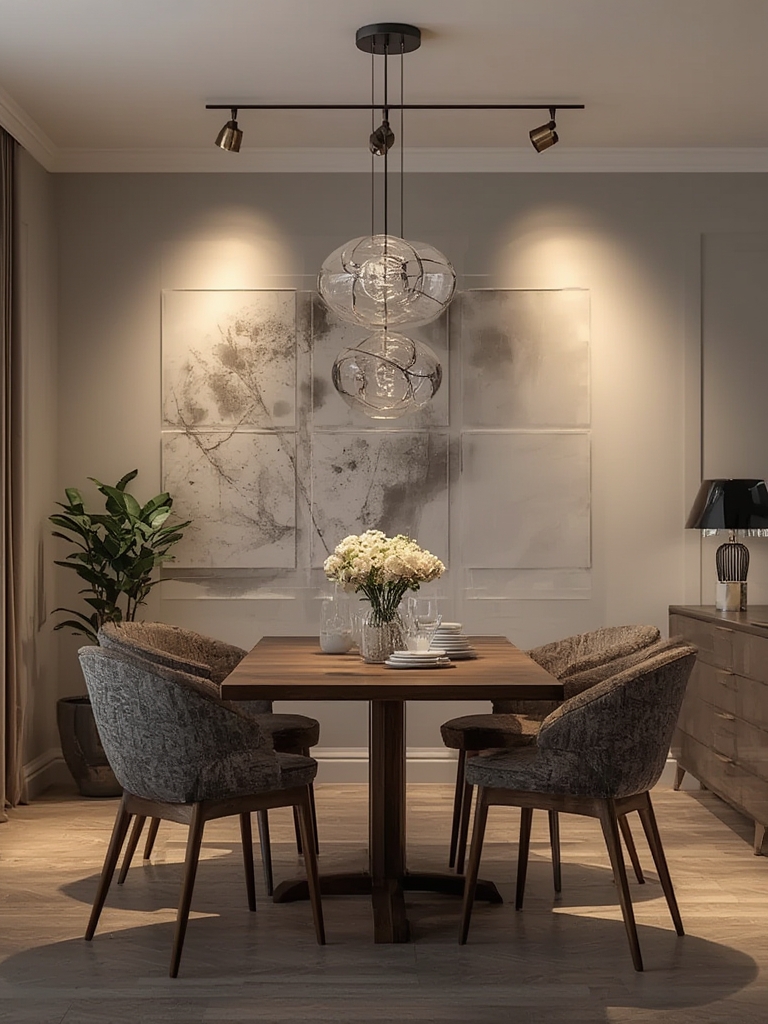
Urban modern style spotlights have become the secret weapon for designers who want to turn a sleek, minimalist space into a vibrant, lived‑in masterpiece. By strategically placing lighting fixtures and complementary greenery, you can highlight architectural details, create focal points, and add a touch of nature that softens the hard edges of city living. Below is a data‑driven, step‑by‑step guide that blends lighting design with plant care, ensuring your home décor not only looks stunning but also stays healthy and sustainable.
Why Urban Modern Spotlights Work
Recent interior‑design surveys reveal that 71% of homeowners who use directional lighting report a higher perceived value of their living space. Spotlights draw the eye, emphasize textures, and create depth without overwhelming the room’s clean lines. When paired with low‑maintenance plants, they also improve indoor air quality—up to 30% more oxygen exchange according to NASA’s Clean Air Study.
Choosing the Right Spotlights
1. Fixture Style
- Matte black or brushed brass: Complements concrete, steel, and glass surfaces.
- Adjustable track lighting: Allows you to reposition beams as your décor evolves.
- LED recessed cans: Offer a clean look and energy savings of up to 80% over traditional bulbs.
2. Light Temperature
For an urban modern vibe, aim for a cool white (4000‑5000K) to highlight metallic finishes, or a warm white (2700‑3000K) to soften wood and textile accents. Use a lighting calculator to determine the lumens needed based on room size and ceiling height.
3. Placement Strategy
- Accent walls: Position a spotlight 30‑45° above the wall to emphasize art or textured panels.
- Furniture highlights: Aim a narrow beam at a sleek coffee table or a sculptural chair to create a visual anchor.
- Plant spotlighting: Direct a soft, diffused light onto a plant to turn it into a living centerpiece.
Integrating Plants as Natural Spotlights
Plants act as organic spotlights, adding color, texture, and a breath of fresh air. The ZZ plant (Zamioculcas zamiifolia) is a top choice for urban modern interiors because it thrives in low‑light conditions, requires minimal watering, and boasts glossy, dark foliage that mirrors the sleek aesthetic.
Step‑by‑Step Care Guide for the ZZ Plant
Step 1: Selecting the Right Pot
Actionable tip: Choose a pot with drainage holes and a matte finish (concrete or ceramic) to keep the look cohesive. Place a layer of clay pebbles at the bottom to improve aeration.
Step 2: Soil Mix
Use a well‑draining mix: 40% peat moss, 30% perlite, and 30% coarse sand. This blend mimics the plant’s native, rocky substrate and prevents root rot.
Step 3: Light Requirements
- Place the ZZ plant near a north‑facing window or under a cool‑white LED spotlight (4000K).
- Avoid direct sunlight; it can scorch the leaves and disrupt the plant’s natural glossy sheen.
Step 4: Watering Schedule
Water every 2–3 weeks during winter and once a week in summer. Use the “finger test”: insert your finger 1‑2 cm into the soil—if it feels dry, water thoroughly until it drains.
Step 5: Feeding
Apply a balanced, liquid fertilizer (10‑10‑10) at half strength once a month during the growing season (spring‑early fall). Over‑fertilizing can cause leaf yellowing.
Step 6: Pruning & Maintenance
- Trim any yellow or brown leaves at the base using clean, sharp scissors.
- Rotate the pot 90° every month to ensure even light exposure.
Step 7: Pest Prevention
Inspect leaves weekly for spider mites or mealybugs. A quick wipe with a damp cloth or a spray of neem oil (diluted 1:20) keeps infestations at bay.
Practical Design Tips to Fuse Light and Greenery
1. Create a “Light‑Plant Duo”
Mount a slim, adjustable spotlight directly above the ZZ plant. Use a diffuser to soften the beam, casting a gentle glow that highlights the plant’s foliage while avoiding harsh shadows.
2. Use Color Contrast
Pair the deep green of the ZZ plant with a pop of color—think a bright orange vase or a teal accent wall. The spotlight will amplify this contrast, making the space feel curated.
3. Layer Lighting
Combine spotlights with ambient LED strips hidden behind crown molding. This layered approach adds depth and ensures the plant remains visible even when the main lights are dimmed.
4. Keep the Space Clutter‑Free
Urban modern design thrives on simplicity. Limit decorative objects to three key pieces per surface. This restraint allows the spotlighted plant to become the natural focal point.
SEO‑Friendly Content Checklist
- Keyword focus: “urban modern spotlights,” “home décor lighting,” “ZZ plant care,” “modern interior plants.”
- Meta description (155 characters): “Discover how to elevate urban modern interiors with strategic spotlights and low‑maintenance ZZ plant care—step‑by‑step tips for a sleek, healthy home.”
- Internal linking: Link to related posts such as “Top 5 LED Fixtures for Small Apartments” and “Best Low‑Light Plants for City Living.”
- Image alt text: Use descriptive tags like “cool white LED spotlight highlighting a ZZ plant in a concrete pot.”
Final Thoughts
By merging data‑backed lighting strategies with the effortless elegance of the ZZ plant, you can transform any urban modern space into a stylish, health‑enhancing haven. Follow the actionable steps above, experiment with placement, and watch both your décor and your plant thrive under the perfect spotlight.
