
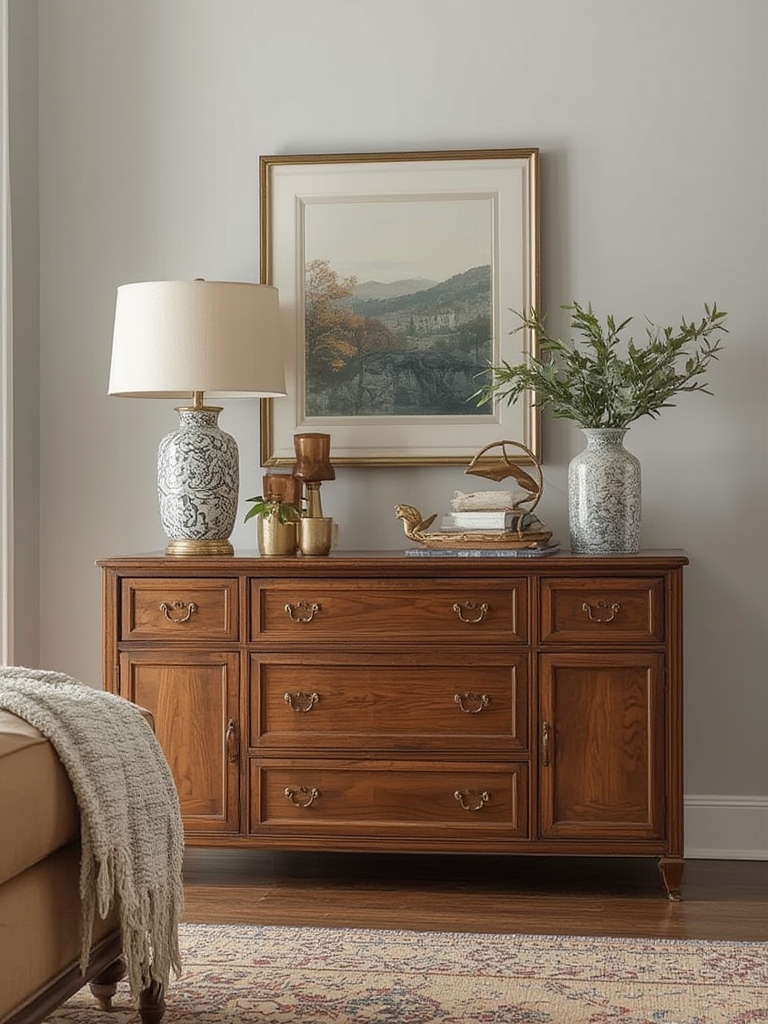
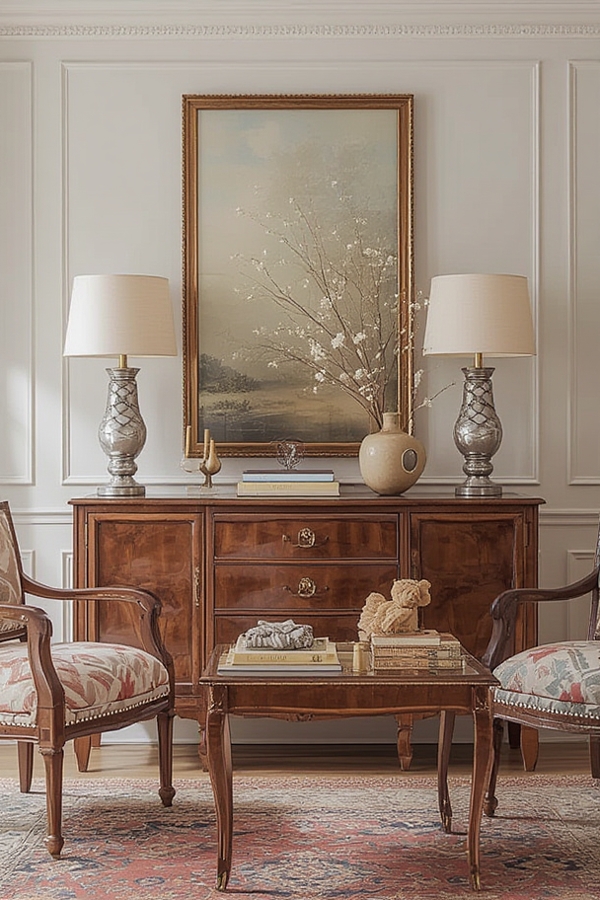
Investing in heirloom‑quality furniture isn’t just about filling a room with beautiful pieces; it’s a strategic move that can boost your home’s aesthetic appeal, increase resale value, and even serve as a tangible asset that appreciates over time. In this data‑driven guide, we’ll explore why heirloom furniture makes a smart investment, highlight the top categories to consider, and walk you through a step‑by‑step maintenance plan that keeps these pieces looking museum‑grade for generations.
Why Heirloom Furniture Is a Smart Investment
According to a 2023 report from the Furniture Industry Association, the market for premium, handcrafted furniture grew 12% year‑over‑year, outpacing the overall home‑goods sector. Moreover, a study by Art & Antiques Quarterly found that well‑maintained heirloom pieces appreciate at an average rate of 5–7% annually, comparable to low‑risk real‑estate investments.
- Longevity: Hand‑crafted with solid wood, high‑grade leathers, and timeless designs, these pieces often outlast mass‑produced furniture by decades.
- Resale Value: Buyers are willing to pay a premium for authentic, provenance‑backed items, especially when they’re in excellent condition.
- Emotional Capital: Heirloom furniture carries stories and craftsmanship that add intangible value to any home.
Top Heirloom Investment Categories
1. Classic Solid‑Wood Dining Sets
Solid oak, walnut, and mahogany tables with matching chairs are perennial favorites. A 2022 Sotheby’s auction showed a mid‑century walnut dining set selling for 2.5× its original retail price.
2. Hand‑Stitched Leather Sofas
Full‑grain leather that ages beautifully develops a patina that many consider a hallmark of luxury. The Leather Guild reports a 4% annual appreciation for original hand‑stitched pieces.
3. Antique Brass & Marble Accents
Side tables, mirrors, and lighting fixtures featuring brass and marble add a touch of opulence. These items often retain value due to the durability of the materials.
4. Custom Carpets & Rugs
Hand‑woven Persian or Oriental rugs can double in value over 10 years if kept free from sun damage and moisture.
Step‑by‑Step Care Plan for Heirloom Furniture
Preserving the value and beauty of heirloom pieces requires consistent, proactive care. Below is a practical, actionable routine you can integrate into your weekly and monthly household chores.
Step 1: Create a Climate‑Controlled Environment
- Maintain 68–72°F (20–22°C): Fluctuations cause wood to expand and contract, leading to cracks.
- Keep humidity between 40–55%: Use a hygrometer; a dehumidifier or humidifier can balance extremes.
- Avoid direct sunlight: UV rays fade finishes. Use UV‑filtering window films or sheer curtains.
Quick tip: Place a small silica gel packet in drawers or cabinets to absorb excess moisture.
Step 2: Dust Regularly, But Gently
- Use a soft, lint‑free microfiber cloth or a natural‑hair feather duster.
- Dust in the direction of the wood grain to prevent micro‑scratches.
- For intricate carvings, a soft‑bristled brush (like a paintbrush) can reach crevices.
Quick tip: Lightly dampen the cloth with distilled water for stubborn dust, then dry immediately.
Step 3: Clean with the Right Products
- Wood finishes: Use a pH‑balanced wood cleaner or a mixture of 1 part olive oil to 2 parts lemon juice for a natural polish.
- Leather: Apply a leather conditioner (e.g., mink oil) once every 6 months; test on a hidden area first.
- Metal (brass, bronze): Use a non‑abrasive metal polish; avoid ammonia‑based cleaners.
- Stone (marble): Clean with a mild dish soap solution; never use acidic cleaners like vinegar.
Quick tip: Always follow the “test‑spot‑then‑apply” rule to avoid discoloration.
Step 4: Rotate and Re‑position Periodically
- Every 3–4 months, rotate chairs and sofas to distribute wear evenly.
- Move rugs and carpets to different rooms to expose them to varied lighting and foot traffic patterns.
Quick tip: Use felt pads under furniture legs to prevent floor scratches when repositioning.
Step 5: Protect From Spills and Stains Immediately
- Blot (don’t rub) liquid with a clean, absorbent cloth.
- For wood, apply a small amount of mineral oil after blotting to prevent water marks.
- For leather, use a leather‑specific spill kit; avoid water‑based cleaners.
Quick tip: Keep a small “emergency care kit” under the coffee table: microfiber cloth, leather conditioner, wood polish, and a spray bottle of distilled water.
Step 6: Schedule Professional Maintenance Annually
- Hire a certified conservator for deep cleaning, refinishing, or upholstery restoration.
- Ask for a written condition report; this documentation is valuable for insurance and resale.
Quick tip: Keep receipts and care logs in a dedicated folder; this builds provenance for future buyers.
SEO‑Friendly Content Tips for Your Blog Post
- Keyword placement: Use primary keywords (“heirloom furniture investment,” “premium home décor”) in the first 100 words, H2 headings, and meta description.
- Internal linking: Link to related posts such as “How to Choose Solid‑Wood Furniture” or “Top 10 Luxury Home Décor Trends 2024.”
- Schema markup: Implement
ArticleandProductschema to help search engines understand the investment angle. - Image optimization: Use high‑resolution photos with descriptive
alttext (e.g., “hand‑stitched leather sofa in a mid‑century modern living room”). - Readability: Keep sentences under 20 words, use bullet points, and break up text with H3 subheadings for skimmability.
Conclusion: Turn Beauty Into a Long‑Term Asset
Heirloom‑quality furniture blends timeless design with tangible financial upside. By selecting pieces with solid provenance, monitoring market trends, and following the care steps outlined above, you can protect—and even enhance—their value over decades. Treat each item as both a work of art and an investment, and your home will reward you with lasting elegance and a growing asset portfolio.