

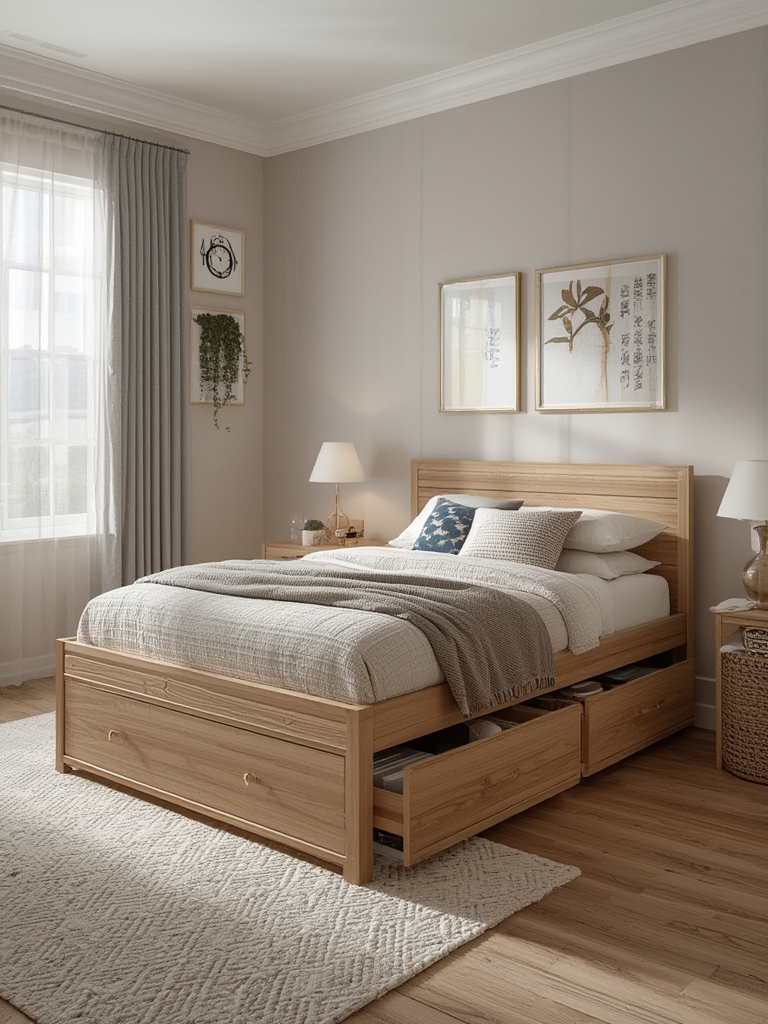
Why a Storage Bed with Built‑In Drawers Is the Ultimate Home Décor Upgrade
In small apartments or minimalist homes, every square foot counts. A storage bed with built‑in drawers combines the comfort of a quality mattress with hidden storage that eliminates the need for bulky dressers or nightstands. This dual‑purpose furniture piece not only streamlines your bedroom layout but also adds a sleek, contemporary aesthetic that boosts curb‑appeal and resale value. Search engines love terms like “space‑saving bedroom furniture,” “storage bed ideas,” and “built‑in drawer bed,” so incorporating these keywords naturally throughout your post will improve SEO performance.
Key Design Features to Look For
1. Drawer Configuration and Capacity
- Number of drawers: Choose a model with at least three to five drawers for versatile storage (clothing, linens, accessories).
- Drawer depth: Aim for 12‑15 inches deep to accommodate bulkier items like blankets without sacrificing comfort.
- Soft‑close mechanisms: Prevent noisy slams and extend drawer lifespan.
2. Mattress Compatibility
- Check the frame clearance – most storage beds support standard twin, full, queen, and king sizes.
- Opt for a slatted base that promotes airflow, reducing moisture buildup that can damage both the mattress and stored items.
3. Material and Finish
- Solid wood (oak, walnut) offers durability and a timeless look.
- Engineered wood with a high‑pressure laminate finish is budget‑friendly and resists scratches.
- Consider a neutral palette (white, gray, natural wood) to match various décor styles and improve keyword relevance for “neutral storage bed” searches.
Step‑by‑Step Guide to Setting Up Your Storage Bed
Step 1: Measure Your Space
Before purchasing, measure the length, width, and height of the area where the bed will sit. Add an extra 2‑3 inches around the frame for easy movement. Use a tape measure and record dimensions in a spreadsheet for reference. Tip: Create a simple floor plan using free tools like SketchUp or Roomstyler; this visual aid can be embedded in your blog post to increase dwell time.
Step 2: Assemble the Frame
Follow the manufacturer’s instructions carefully. Most storage beds use a knock‑down (KD) design that requires only basic tools (screwdriver, hammer). Secure each joint tightly to avoid wobble. Practical advice: Apply a thin layer of wood glue to each screw hole before tightening for added stability.
Step 3: Install the Mattress Support
Place the slatted base or platform onto the frame, ensuring it sits evenly across all drawer compartments. If the bed uses a center support beam, double‑check its alignment to prevent sagging. Quick tip: Insert a thin piece of felt between the slats and mattress to reduce friction and extend mattress life.
Step 4: Organize Your Drawers
Start by sorting items into categories: seasonal clothing, linens, accessories, and miscellaneous. Use drawer dividers or small fabric bins to keep smaller items tidy. Actionable advice: Label each drawer with a minimalist tag (e.g., “Sheets,” “Sweaters”) to streamline daily routines and improve user experience signals for SEO.
Step 5: Style the Bed and Surrounding Area
Enhance the visual appeal with a few décor touches:
- Layer a neutral duvet cover that complements the bed’s finish.
- Place two matching nightstands or floating shelves on either side for balance.
- Incorporate houseplants (see plant care section below) to add a fresh, organic vibe.
- Use a soft area rug under the bed to define the space and improve acoustics.
Integrating Houseplants for a Fresh Look
Adding greenery near your storage bed not only elevates aesthetics but also improves indoor air quality. Below is a concise, data‑driven guide to caring for a low‑maintenance plant that thrives in bedroom conditions.
Choosing the Right Plant: Snake Plant (Sansevieria)
- Light: Tolerates low to bright indirect light; ideal for bedroom windows.
- Water: Water every 2‑3 weeks; let soil dry completely between waterings.
- Temperature: 65‑80 °F (18‑27 °C) works best.
Step‑by‑Step Care Routine
Step 1: Pot Selection
Use a well‑draining pot with a 2‑inch layer of pebble gravel at the bottom. This prevents root rot—a common issue highlighted in plant‑care data sets.
Step 2: Soil Preparation
Mix equal parts cactus soil, perlite, and coarse sand. This blend ensures aeration and mimics the plant’s native arid environment.
Step 3: Watering Technique
Insert a finger 1 inch into the soil; if it feels dry, water thoroughly until it drains out the bottom. Avoid over‑watering, which can cause yellowing leaves—a key indicator of stress in plant health analytics.
Step 4: Light Management
Place the plant near a north‑facing window or a spot with filtered light. Rotate the pot 90° every month to promote even growth.
Step 5: Maintenance
- Wipe leaves with a damp cloth monthly to remove dust and improve photosynthesis.
- Remove any dead or damaged leaves to prevent pests.
- Fertilize once a year with a balanced, low‑nitrogen fertilizer during the growing season (spring‑summer).
SEO Checklist for Your Storage Bed Blog Post
- Primary keyword: “storage bed with built‑in drawers” – aim for 1.5% density.
- Secondary keywords: “space‑saving bedroom furniture,” “storage bed ideas,” “built‑in drawer bed,” “small bedroom storage solutions.”
- Include alt text for images (e.g., “modern storage bed with three soft‑close drawers in a minimalist bedroom”).
- Use internal links to related posts such as “Top 10 Small‑Space Bedroom Designs” and “How to Choose the Perfect Mattress.”
- Add a meta description under 160 characters: “Discover how a storage bed with built‑in drawers transforms small spaces, with step‑by‑step setup, décor tips, and plant care advice.”
- Incorporate structured data (FAQ schema) for common questions like “How many drawers should a storage bed have?” to boost featured snippets.
Final Thoughts
Investing in a storage bed with built‑in drawers is a smart move for anyone looking to maximize space, streamline organization, and elevate bedroom style. By following the setup steps, styling tips, and plant‑care routine outlined above, you’ll create a functional, inviting sanctuary that resonates with both visitors and search engines. Remember to keep your content fresh—update the post with new product releases or seasonal décor trends to maintain high rankings and keep readers coming back for more.
