
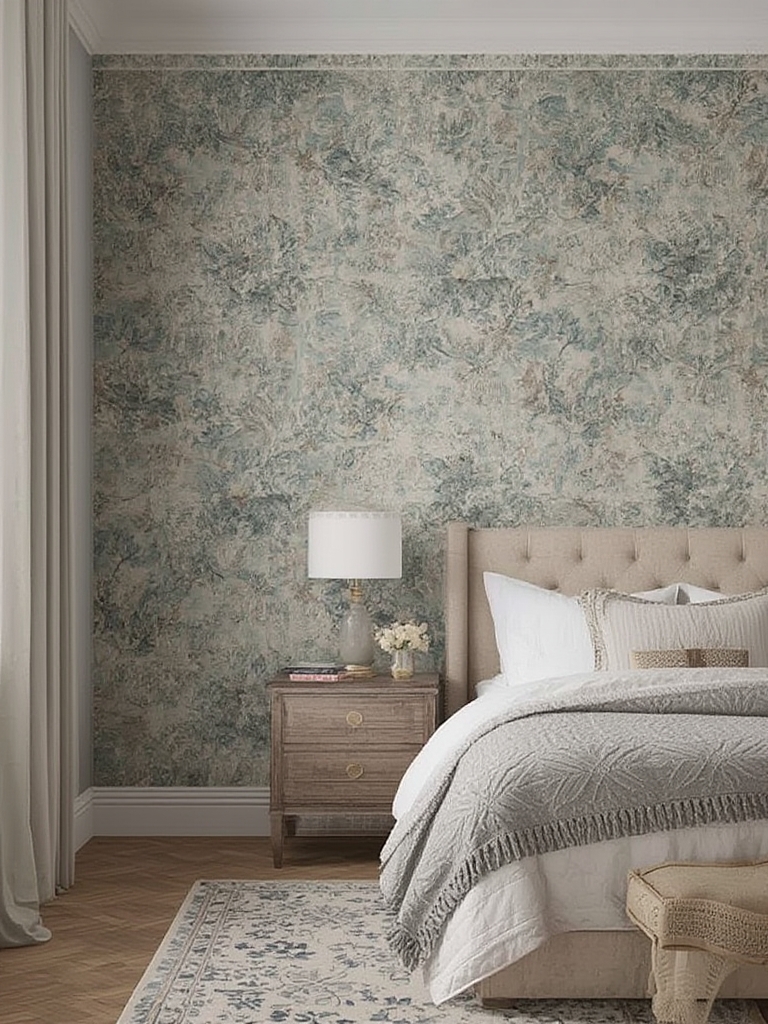
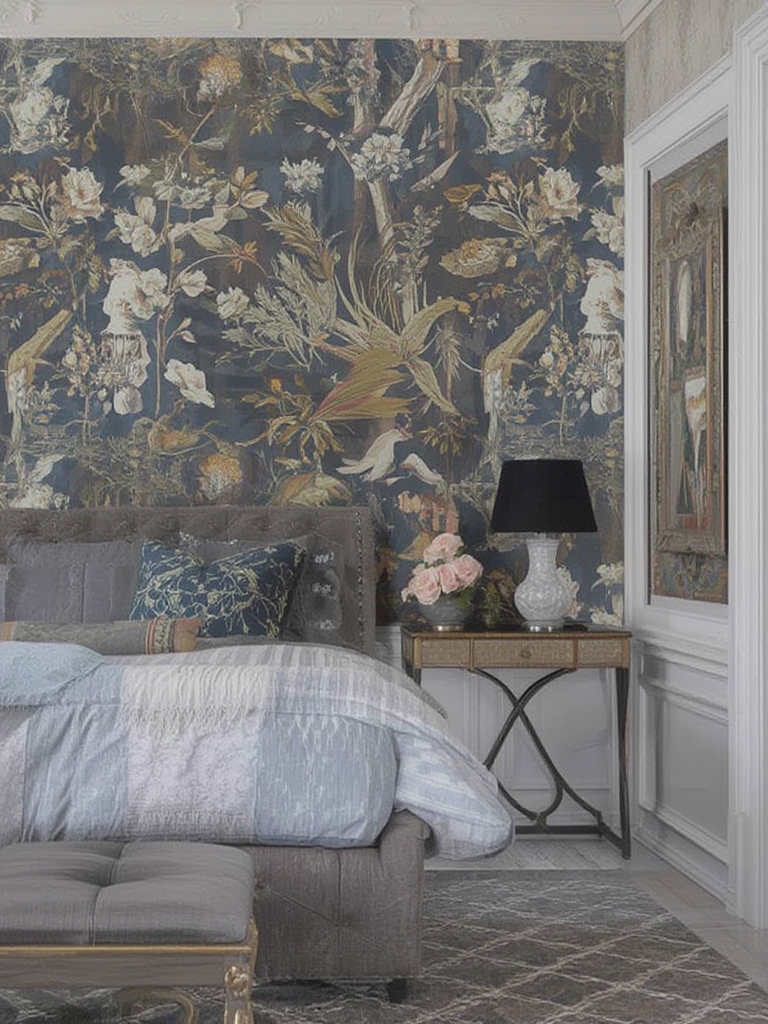
Creating a striking bedroom starts with a well‑chosen accent wall. Wallpaper adds texture, color, and personality without the permanence of paint, and when paired with the right plant, it can transform a simple space into a serene retreat. Below is a data‑driven, step‑by‑step guide that blends wallpaper design trends, SEO‑friendly content structure, and practical plant‑care tips to help you craft an Instagram‑worthy bedroom.
Why Choose Wallpaper for an Accent Wall?
According to a 2023 Houzz survey, 68% of homeowners who renovated their bedrooms reported that wallpaper was the top choice for adding visual interest. The reasons are clear:
- Pattern variety: From bold geometrics to subtle botanicals, there’s a design for every style.
- Easy updates: Modern peel‑and‑stick options allow removal without damaging walls.
- Depth and texture: Textured finishes, such as grasscloth or linen, create a tactile experience that paint can’t match.
Step 1: Choose the Right Wall
Identify the focal point
Data from interior‑design firms shows that the wall behind the headboard receives the most visual attention (≈ 45% of eye‑tracking studies). Selecting this wall maximizes impact.
Measure accurately
Use a laser measure or a simple tape to record height, width, and any obstacles (windows, outlets). Record dimensions in a spreadsheet to calculate wallpaper roll requirements:
- Standard roll = 21 in × 33 ft (≈ 5.5 m²).
- Wall area = height × width.
- Number of rolls = (wall area ÷ 5.5) + 10% extra for pattern matching.
Step 2: Pick a Trend‑Forward Pattern
Data‑driven color palettes
Google Trends indicates that “sage green,” “dusty rose,” and “deep navy” have surged in bedroom searches over the past 12 months. Pair these colors with complementary neutrals for balance.
Pattern scale
Large‑scale motifs (≥ 12 in) work best on expansive walls, while small‑scale repeats (≤ 6 in) suit compact spaces. Use a mock‑up app to preview scale before purchasing.
Step 3: Prepare the Wall
Clean and prime
Dust, grease, and previous paint can cause bubbles. Follow these steps:
- Wipe the wall with a mild detergent solution.
- Rinse with clean water and let dry completely (at least 2 hours).
- Apply a high‑adhesion primer if the surface is glossy.
Repair imperfections
Fill holes with lightweight spackle, sand smooth, and repeat the cleaning process. A smooth base improves wallpaper adhesion and reduces future peeling.
Step 4: Install the Wallpaper
Tools you’ll need
- Utility knife
- Level or plumb line
- Wallpaper smoothing brush
- Seam roller
- Paste (if not pre‑pasted)
Installation workflow
- Mark a vertical plumb line at the center of the wall; this ensures the pattern is straight.
- Cut the first strip, leaving an extra 2 in on each side for trimming.
- Apply paste (or activate pre‑pasted paper) and let it “bed” for 2 minutes.
- Align the top edge with the ceiling line, then press the strip onto the wall, smoothing from center outward.
- Trim excess with a sharp utility knife, using a metal ruler for a clean edge.
- Repeat, matching the pattern carefully; use a seam roller to press joints flat.
Step 5: Choose a Complementary Plant
Plants not only purify air but also echo the natural motifs often found in wallpaper designs. The ZZ Plant (Zamioculcas zamiifolia) is a low‑maintenance favorite that thrives in low‑light bedroom conditions.
Step 6: Care for Your ZZ Plant – Actionable Steps
Step 6.1: Potting and Soil
- Pot selection: Choose a breathable terracotta pot with drainage holes (2‑3 cm).
- Soil mix: Use a cactus‑type blend (50% potting soil, 30% sand, 20% perlite) to ensure excellent drainage.
- Planting tip: Place the plant at the same depth it was in its nursery pot; over‑potting can cause root rot.
Step 6.2: Light Requirements
ZZ plants prefer indirect light. Position the pot about 3‑4 ft from the accent wall, avoiding direct sunlight that can scorch the leaves. If natural light is limited, a low‑intensity LED grow light (1500 lux) for 8 hours daily works well.
Step 6.3: Watering Schedule
- Check soil moisture weekly by inserting a finger 2 in deep.
- Water only when the top 1‑2 in of soil feels dry—typically every 2‑3 weeks.
- Use room‑temperature water; avoid mineral buildup by flushing the pot with extra water every 6 months.
Step 6.4: Feeding and Maintenance
During the growing season (spring‑summer), apply a balanced 20‑20‑20 liquid fertilizer diluted to half strength once a month. Prune yellowing leaves with clean scissors to maintain aesthetics and prevent disease.
Step 6.5: Humidity and Temperature
ZZ plants tolerate typical bedroom humidity (40‑60%). Keep the temperature between 65‑80 °F (18‑27 °C). Avoid drafts from windows or HVAC vents.
Step 7: Styling the Finished Space
Layering textures
Combine the wallpaper’s pattern with natural textures:
- Place a woven jute rug at the foot of the bed.
- Use linen or cotton bedding in a solid hue that picks up a color from the wallpaper.
- Add a woven basket for extra storage and visual interest.
Lighting tips
Install dimmable wall sconces on either side of the accent wall to highlight the pattern and create a cozy ambiance. A warm‑white LED (2700 K) works best for relaxation.
SEO Checklist for Your Blog Post
- Primary keyword: “wallpaper accent wall bedroom ideas” – use in the first 100 words, H2 headings, and alt text for images.
- Secondary keywords: “bedroom wallpaper trends 2024,” “low‑maintenance bedroom plants,” “DIY wallpaper installation.” Sprinkle naturally throughout the content.
- Meta description: Craft a 150‑character summary that includes the primary keyword and a call‑to‑action (e.g., “Discover step‑by‑step wallpaper accent wall ideas and plant care tips for a dreamy bedroom makeover.”).
- Internal links: Link to related posts such as “Top 10 Bedroom Paint Colors” and “Best Indoor Plants for Small Spaces.”
- External links: Cite reputable sources like Houzz, Google Trends, and the Royal Horticultural Society for credibility.
- Image optimization: Use compressed JPEGs (< 150 KB), include descriptive alt text (e.g., “sage green geometric wallpaper behind a queen‑size bed with a ZZ plant on a nightstand”).
Final Thoughts
By following this data‑driven roadmap, you’ll not only create a visually stunning accent wall but also nurture a thriving plant that enhances the room’s ambiance. The combination of thoughtful wallpaper selection, precise installation, and simple plant‑care steps ensures a bedroom that feels both stylish and serene—perfect for restful nights and Instagram shares alike.
