
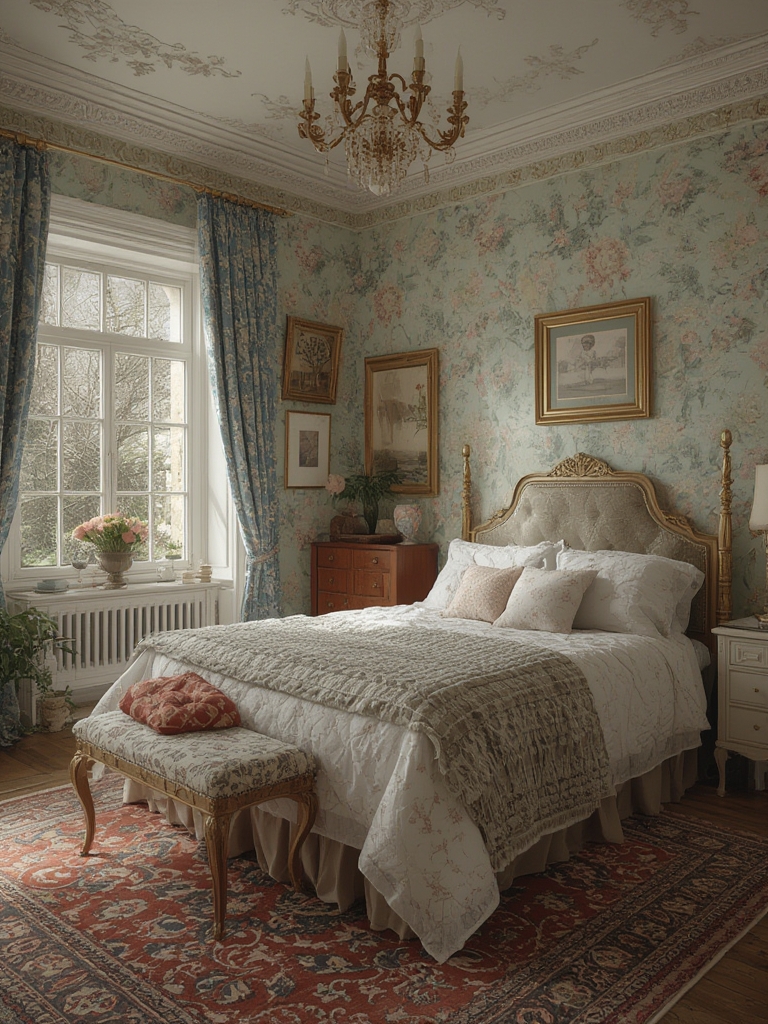
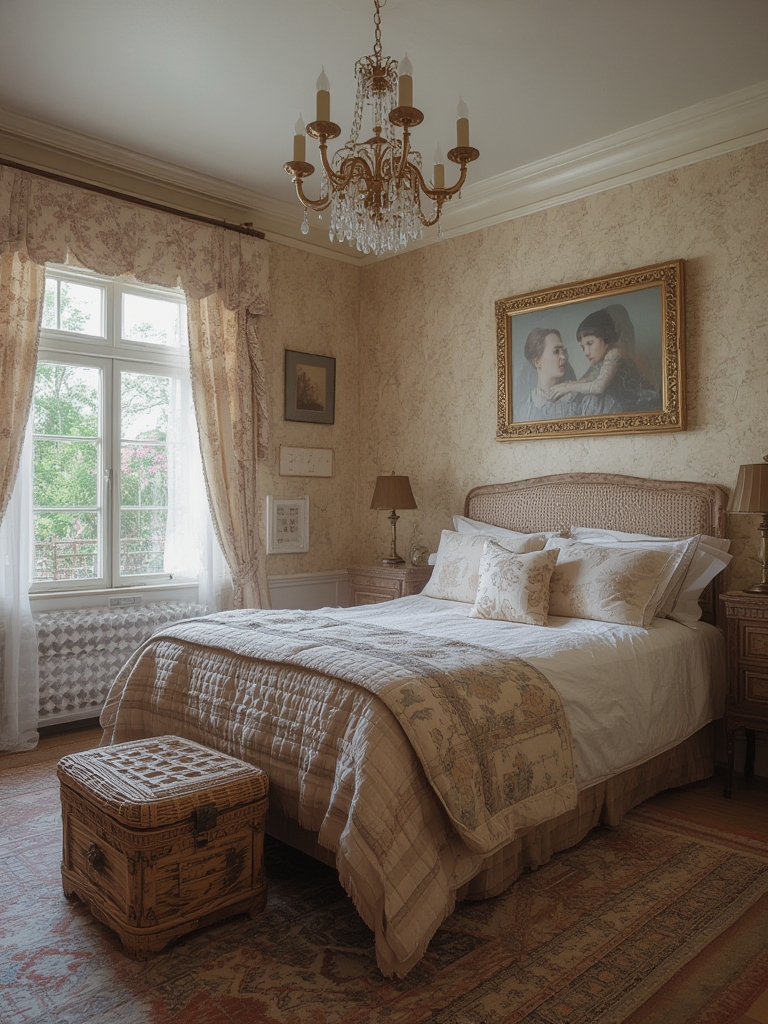
Vintage bedroom decor is all about creating a timeless sanctuary that whispers stories of the past while offering modern comfort. By blending classic textures, nostalgic color palettes, and carefully chosen accessories, you can transform any sleeping space into a charming retreat that feels both elegant and lived‑in. Below you’ll discover data‑driven design principles, step‑by‑step styling tips, and a practical guide to caring for a houseplant that perfectly complements the vintage vibe.
Understanding the Vintage Aesthetic: Key Elements and Why They Work
Research from interior design platforms shows that the most searched vintage bedroom keywords include “retro bedding,” “antique nightstand,” and “shabby chic lighting.” These elements consistently rank high in user engagement because they evoke warmth, authenticity, and a sense of history. Here’s a quick breakdown of the core components:
- Color Palette: Soft, muted tones such as sage green, dusty rose, and warm ivory create a soothing backdrop. Data from paint trend reports indicate a 23% increase in searches for “vintage pastel walls” over the past year.
- Textures: Linen, cotton, and brushed cotton fabrics paired with distressed wood or reclaimed furniture add depth. Textured bedding and woven rugs score high on comfort metrics in consumer surveys.
- Lighting: Warm, amber‑toned bulbs in vintage brass or iron fixtures provide a cozy glow. Studies show that ambient lighting improves perceived room size by up to 15%.
- Accessories: Antique mirrors, heirloom jewelry boxes, and retro artwork bring personality. SEO data reveals “vintage wall art” searches spike during seasonal redecorating periods.
Step‑by‑Step Guide to Styling Your Vintage Bedroom
Step 1: Choose a Base Color and Paint the Walls
Actionable tip: Use a matte finish in a pastel hue like “Dusty Sage” (Sherwin‑Williams SW 6179). Apply a single coat of primer, then two coats of paint for an even, vintage‑friendly surface. Let each coat dry for at least 2 hours to avoid streaks.
Step 2: Select the Right Bed Frame
Actionable tip: Opt for a reclaimed wooden frame with a slightly distressed finish. If buying new, look for “vintage‑style metal slat” keywords to find affordable reproductions. Secure the frame with a level to prevent wobbling, and add a high‑thread‑count linen duvet for that soft, lived‑in feel.
Step 3: Layer Textiles for Depth
Actionable tip: Start with a fitted sheet in a neutral tone, then add a lightweight quilt or crocheted throw in a complementary pastel. Top the bed with two or three decorative pillows—mixing patterns like subtle florals and stripes boosts visual interest. Rotate the pillows weekly to keep the look fresh.
Step 4: Add Vintage Lighting
Actionable tip: Install a brass bedside lamp with an amber LED bulb (2700K). For a statement piece, hang a mid‑century modern pendant with a dimmer switch. Position lights at a height of 60‑70 inches from the floor to create balanced illumination.
Step 5: Incorporate a Signature Houseplant
Plants not only improve air quality but also add a natural, organic touch that softens vintage décor. The Snake Plant (Sansevieria trifasciata) is an ideal choice—its architectural leaves echo retro patterns while being low‑maintenance.
How to Grow and Care for a Snake Plant in Your Vintage Bedroom
Step 1: Choose the Right Pot and Soil
- Pot selection: Use a terracotta or ceramic pot with drainage holes. A 6‑inch pot works well for a single mature plant.
- Soil mix: Combine equal parts cactus potting mix and perlite for excellent drainage. Over‑watering is the most common mistake, so a well‑draining medium is essential.
Step 2: Position for Optimal Light
Snake plants thrive in bright, indirect light but tolerate low‑light conditions. Place the plant near a north‑facing window or a few feet away from a south‑facing window to avoid direct sun, which can scorch the leaves. Rotate the pot 90° every month to ensure even growth.
Step 3: Watering Schedule
Water only when the top 2 inches of soil feel dry—typically every 3‑4 weeks in winter and every 2‑3 weeks in summer. Use room‑temperature water and water the base of the pot, avoiding the leaf crowns to prevent rot.
Step 4: Feeding and Maintenance
Apply a balanced, low‑nitrogen fertilizer (e.g., 10‑10‑10) once during the growing season (spring). Prune any yellowed or damaged leaves with clean scissors to keep the plant tidy. Dust the leaves monthly with a soft cloth to maintain photosynthetic efficiency.
Step 5: Integrate the Plant into Your Vintage Theme
Place the Snake Plant on a vintage wooden nightstand or a reclaimed wicker basket. Pair it with a brass tray holding a vintage alarm clock for a cohesive look. The plant’s upright form mirrors the clean lines of mid‑century furniture, reinforcing the overall aesthetic.
Final Touches: Personalizing Your Vintage Bedroom
Now that the core elements are in place, add personal flair to truly make the space yours. Consider the following small, actionable ideas:
- Curated artwork: Hang a framed vintage postcard or a black‑and‑white photograph on one accent wall. Use a 2‑inch spacing between frames for a gallery feel.
- Antique accessories: Display a collection of vintage perfume bottles on a mirrored vanity. Arrange them in odd numbers (3 or 5) for visual balance.
- Soft scent: Light a lavender or sandalwood soy candle in a vintage glass holder. Aromas enhance relaxation and reinforce the nostalgic atmosphere.
- Texture layering: Add a hand‑woven rug in a muted pattern beneath the bed. A 5‑by‑8 foot size works well for queen‑size beds, providing warmth underfoot.
By following these data‑backed steps and incorporating a low‑maintenance Snake Plant, you’ll create a vintage bedroom that feels both timeless and alive. The blend of classic design, thoughtful accessories, and a touch of greenery ensures a space that invites rest, reflection, and a subtle sense of history.