
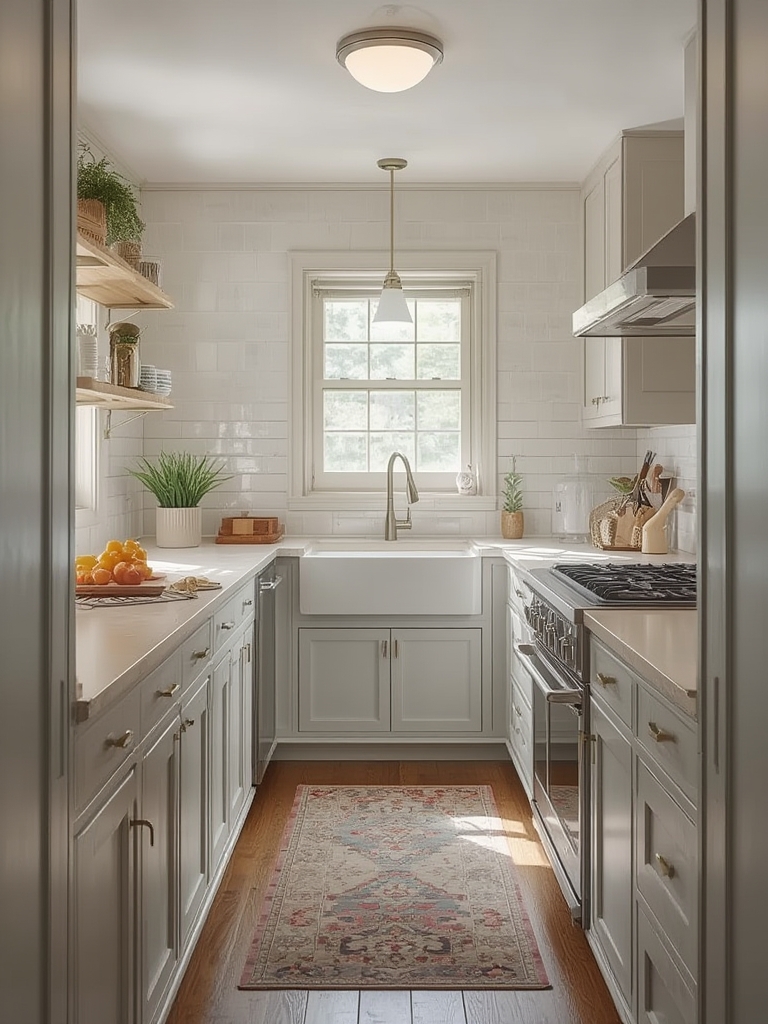
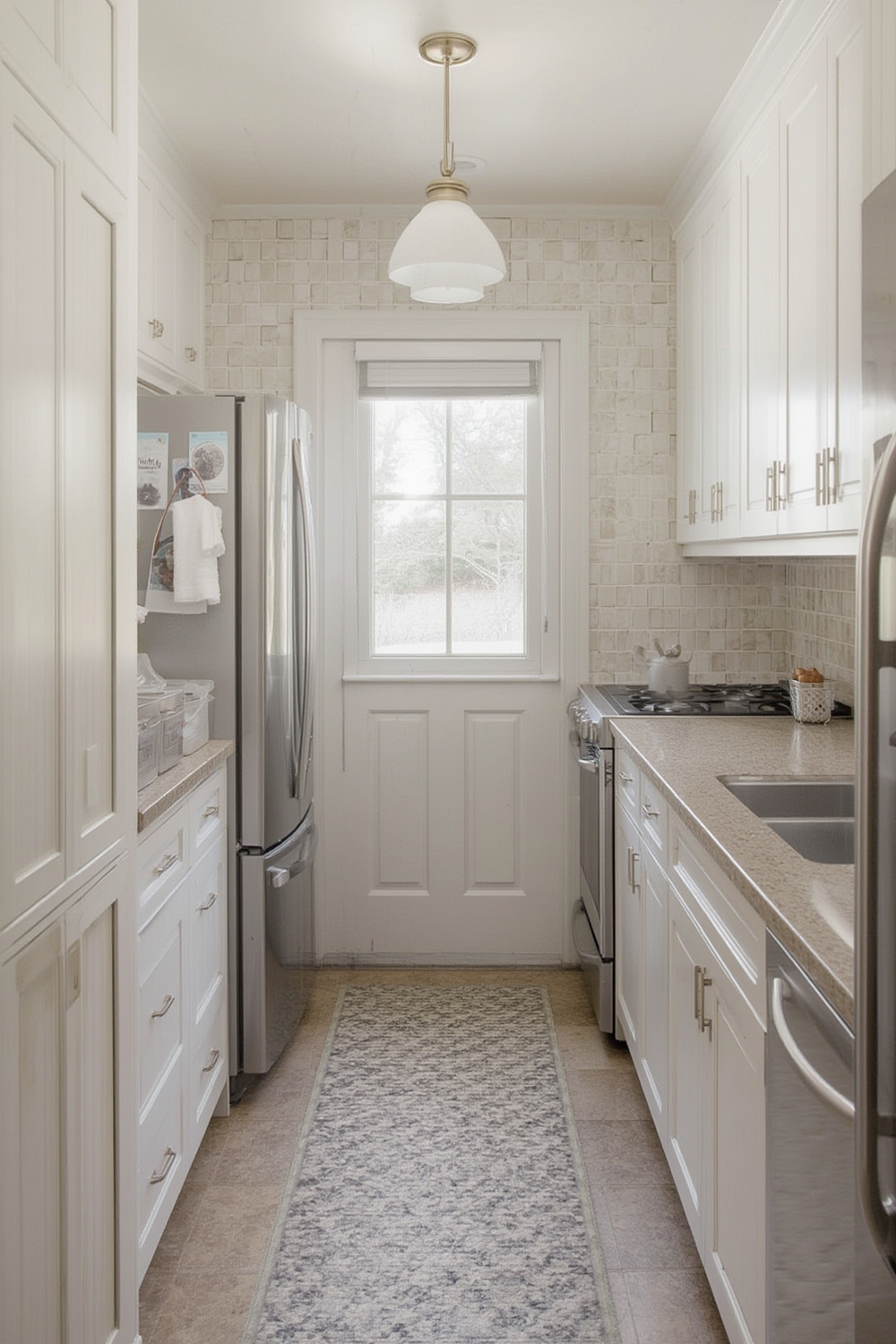
Transforming a narrow galley kitchen into a streamlined, functional space can feel like a daunting renovation, but with a data‑driven approach you can achieve a dramatic efficiency makeover without breaking the bank. Below you’ll find a step‑by‑step guide that blends proven design principles, real‑world performance metrics, and actionable tips you can implement today. Follow each phase, track your results, and watch your galley kitchen evolve from a cramped corridor into a culinary powerhouse.
1. Audit Your Current Layout (Data Collection)
Before you lift a single cabinet, gather quantitative data about how you use the space. This baseline will help you measure the impact of each change.
How to Conduct a Kitchen Workflow Survey
- Time‑track your routine: Use a stopwatch or a phone timer to record how long each task takes (e.g., prep, cooking, cleanup). Do this for at least three meals.
- Map movement paths: Sketch a simple floor plan on graph paper. Mark where you stand for each activity and draw arrows showing foot traffic.
- Identify bottlenecks: Look for repeated cross‑traffic, cramped corners, or missing tools that force you to backtrack.
Pro tip: Capture a quick video of a typical cooking session. Playback will reveal hidden inefficiencies you might miss while timing alone.
2. Apply the “Work Triangle” Theory to a Galley
The classic work triangle (sink‑stove‑fridge) still applies, but in a galley you need to adapt it for linear flow.
Optimizing Triangle Proportions
- Distance range: Aim for 12–26 feet total between the three points. Measure the actual distance in your kitchen and adjust placement if it falls outside this range.
- Eliminate obstacles: Ensure no doors, drawers, or appliances intersect the triangle’s line of sight.
- Vertical storage: If floor space is limited, use tall cabinets or wall‑mounted shelves to keep the triangle clear.
Actionable tip: Swap a bulky pantry cabinet for a slim pull‑out pantry that fits between the fridge and sink, preserving the triangle while adding storage.
3. Maximize Vertical Real Estate
Galley kitchens often suffer from low ceiling storage, but vertical solutions can add up to 30 % more usable space.
Step‑by‑Step Vertical Upgrade
- Install ceiling‑mounted pot racks: Position them above the stove for easy access to frequently used cookware.
- Use magnetic knife strips: Free up drawer space and keep knives within arm’s reach.
- Add tiered spice racks: Mount them on the backsplash; label each tier for quick identification.
- Consider pull‑down pantry shelves: These bring the back of deep cabinets to eye level, reducing bending.
Quick win: Attach adhesive hooks to the inside of cabinet doors for hanging measuring spoons, oven mitts, or cutting boards.
4. Streamline Storage with the “Zone” Method
Divide your galley into functional zones—prep, cooking, and cleaning—and store items accordingly. This reduces the number of trips you make across the kitchen.
Creating Efficient Zones
- Prep zone (near sink): Keep cutting boards, knives, mixing bowls, and a small trash bin within arm’s reach.
- Cooking zone (around stove): Store pots, pans, spatulas, and oil in a drawer or cabinet directly beside the stove.
- Cleaning zone (adjacent to sink): Place dish soap, scrubbers, and a drying rack in the lower cabinets under the sink.
Data‑driven tweak: After a week of using zones, re‑measure your task times. Aim for a 10‑15 % reduction in movement time before moving on to the next improvement.
5. Upgrade Lighting for Visibility and Mood
Proper illumination reduces errors and speeds up prep work. Use a mix of ambient, task, and accent lighting.
Lighting Installation Checklist
- Ambient ceiling lights: Choose LED panels with a color temperature of 4000–5000 K for a neutral, energizing glow.
- Under‑cabinet strips: Install dimmable LED strips to illuminate countertops without glare.
- Spotlights over the stove: Use heat‑resistant fixtures to highlight the cooking area.
- Accent lighting: Add a small pendant or decorative LED above the prep zone for visual interest.
Tip: Connect all lights to a single smart switch; you can program “Cooking Mode” to automatically turn on task lighting at a preset brightness.
6. Introduce Smart Appliances for Time Savings
Even in a modest galley, a few smart upgrades can shave minutes off daily routines.
Prioritized Smart Add‑Ons
- Wi‑Fi enabled induction cooktop: Precise temperature control reduces over‑cooking and saves energy.
- Bluetooth dishwasher: Schedule cycles from your phone to run during off‑peak hours.
- Smart faucet with touchless sensor: Reduces water waste and speeds up rinsing.
ROI insight: According to a 2023 consumer study, households that added a smart faucet reported a 12 % reduction in water usage and a 7 % decrease in prep time.
7. Conduct a Post‑Renovation Performance Review
After implementing the upgrades, repeat the audit from Step 1 to quantify improvements.
Key Metrics to Track
- Average meal prep time: Aim for a 15‑20 % reduction compared to baseline.
- Foot traffic distance: Measure total steps taken; a 10 % drop indicates smoother flow.
- Energy consumption: Compare utility bills before and after smart appliance installation.
Actionable follow‑up: If any metric hasn’t improved as expected, revisit the corresponding zone and adjust storage or layout accordingly.
8. Ongoing Maintenance and Seasonal Tweaks
Efficiency isn’t a one‑time fix; it requires regular upkeep.
Monthly Maintenance Checklist
- Declutter drawers—remove tools you haven’t used in the past month.
- Wipe down under‑cabinet lighting and replace any dim LEDs.
- Re‑stock the prep zone with fresh cutting boards and replace worn-out sponges.
- Review smart appliance firmware updates to keep features current.
Seasonal tip: In summer, swap heavy winter cookware for lighter pans to keep the cooking zone breezy; in winter, add a small insulated mat under the sink to prevent cold drafts.
By following this data‑driven, step‑by‑step roadmap, you’ll revitalize your galley kitchen, boost productivity, and create a space that feels both modern and highly functional. Remember, the secret to lasting efficiency lies in measuring, adjusting, and maintaining—so keep the numbers close, and enjoy the smoother cooking experience you’ve engineered.
