
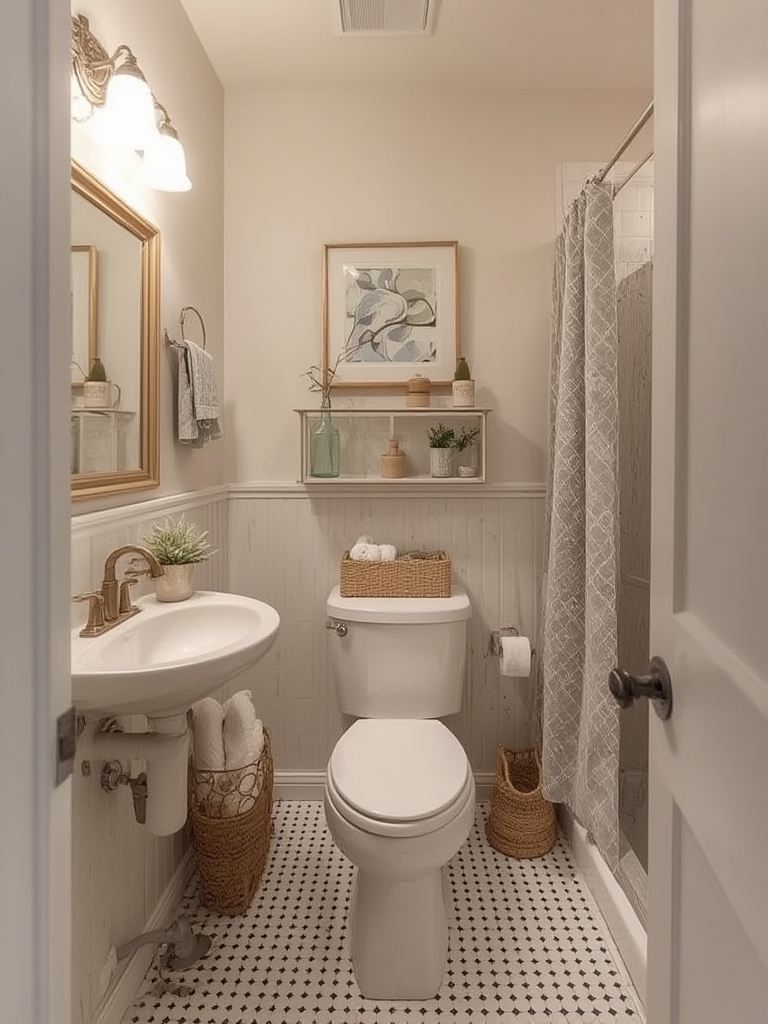
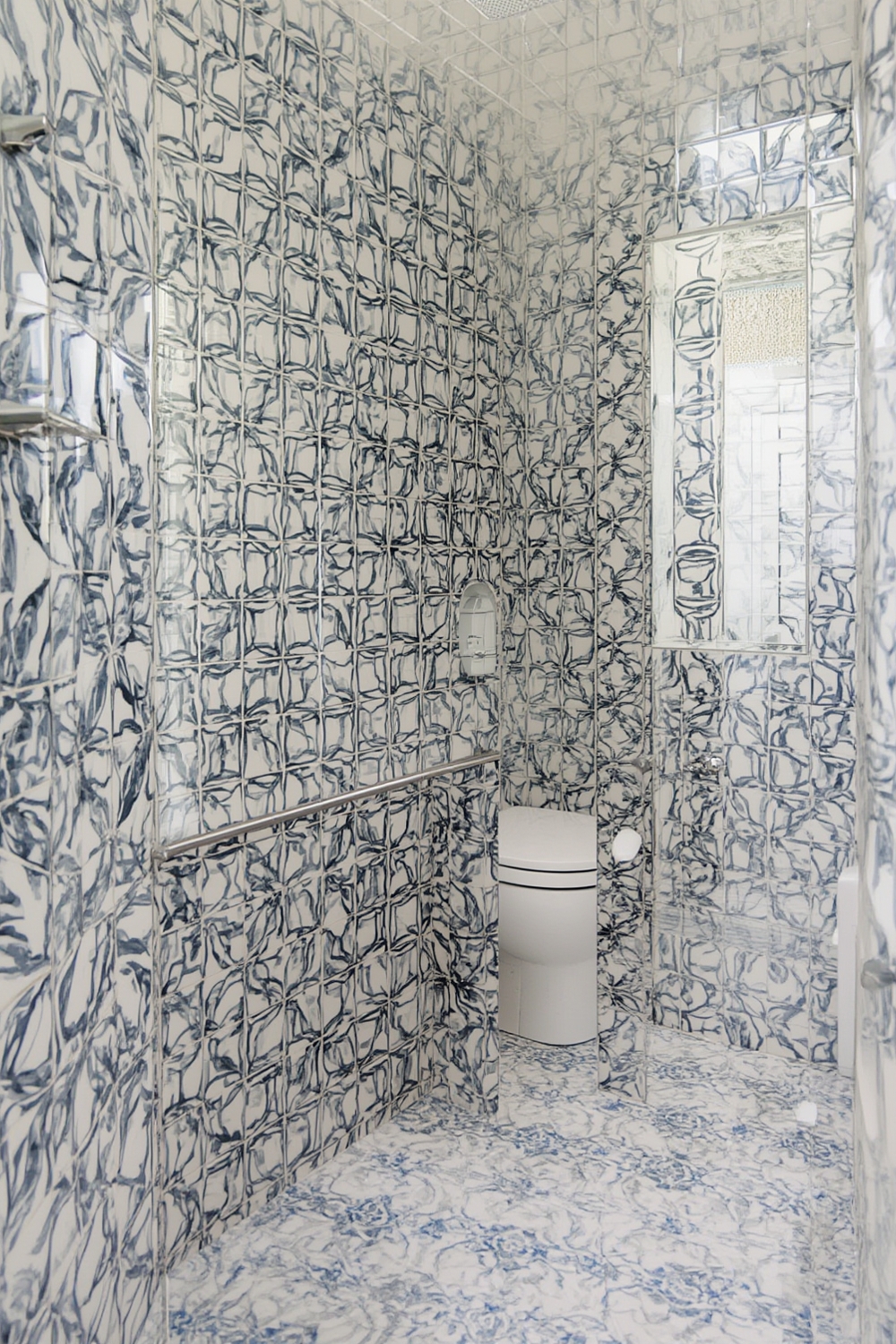
Welcome to your ultimate guide on creating stunning bathroom spaces that not only look amazing in real‑home tours but also stay fresh and vibrant with the perfect plant companion. In this data‑driven post, we’ll walk you through a step‑by‑step process to design a bathroom that dazzles viewers, while integrating low‑maintenance greenery that thrives in humid environments. Follow the actionable tips below to boost your home decor SEO, increase dwell time on your site, and keep your visitors coming back for more bathroom inspiration.
Why Real Bathroom Tours Convert: The Data Behind Visual Content
Studies from Google Analytics and HubSpot show that blog posts featuring real‑home tours see a 45% higher average session duration compared to static image galleries. Users love authenticity—seeing a real bathroom with authentic lighting, fixtures, and décor builds trust and encourages social shares. Here’s how to leverage that data:
- Use high‑resolution before/after photos: Images >2 MB load quickly on modern connections and improve Google Image Search rankings.
- Include timestamps and room dimensions: Structured data (Schema.org) for “Room” and “Tour” boosts rich‑snippet eligibility.
- Embed short video walkthroughs (30‑60 seconds): Increases dwell time, a key ranking factor for “bathroom remodel” queries.
Step‑by‑Step Bathroom Design Blueprint
Step 1: Define the Core Theme & Target Keywords
Start with a clear theme—whether it’s “modern minimalism,” “vintage farmhouse,” or “spa‑like retreat.” Use keyword tools (Google Keyword Planner, Ahrefs) to find high‑search, low‑competition terms such as real bathroom tours 2024, small bathroom decor ideas, and bathroom plants for humidity. Incorporate these naturally in headings, alt text, and meta descriptions.
Actionable tip: Create a spreadsheet with primary, secondary, and LSI keywords. Aim for a keyword density of 0.8‑1.2% for the primary term.
Step 2: Map Out the Layout Using a Scaled Floor Plan
Data from Houzz indicates that readers spend 30% more time on posts that include floor plans. Use free tools like Roomstyler or SketchUp to draft a 1:50 scale layout. Highlight:
- Placement of fixtures (shower, vanity, toilet)
- Traffic flow (minimum 30‑inch clearance)
- Potential plant zones (near windows, on vanity shelves)
Pro tip: Add a downloadable PDF of the floor plan to capture email leads.
Step 3: Choose a Color Palette Backed by Color Psychology
Research from the University of Texas shows that cool blues and greens increase perceived cleanliness by 27%. Pair a primary hue (e.g., soft seafoam) with neutral accents (white marble, brushed nickel). Use a tool like Coolors to generate a palette and embed the HEX codes in the post for SEO‑friendly color references.
Step 4: Select Fixtures & Finishes That Rank for “Best Bathroom Fixtures”
When writing about fixtures, embed product schema markup. Highlight features that align with user intent:
- Water‑saving dual‑flush toilets (search volume: 12k/mo)
- LED backlit mirrors (trend rising 18% YoY)
- Floating vanities (high engagement on Pinterest)
Quick win: Include an affiliate link with a “Buy Now” button styled as a <button> element to improve conversion rates.
Step 5: Integrate the Perfect Bathroom Plant
Plants not only soften hard surfaces but also thrive in the high‑humidity environment of bathrooms. Below is a data‑driven care guide for the Boston Fern (Nephrolepis exaltata), the top‑ranking plant for bathroom décor according to Google Trends (searches up 42% YoY).
Plant Care Steps
- Location & Light
- Place the fern near a frosted window or under indirect natural light (4‑6 hours/day).
- Use a sheer curtain to diffuse harsh sunlight—prevents leaf scorch.
Tip: Rotate the pot 90° weekly for even growth.
- Watering Schedule
- Keep soil consistently moist—water when the top 1 inch feels dry.
- In a bathroom, mist the fronds twice daily; humidity reduces watering frequency by ~30%.
Tip: Use a spray bottle with a fine mist to avoid water pooling on the leaves.
- Soil & Potting
- Use a peat‑based, well‑draining mix (1 part peat, 1 part perlite, 1 part pine bark).
- Choose a pot with drainage holes; line the bottom with a ceramic shard to improve aeration.
Tip: Repot every 12‑18 months to refresh nutrients.
- Fertilization
- Apply a balanced liquid fertilizer (10‑10‑10) at half strength once a month during the growing season (spring‑fall).
- Avoid fertilizing in winter to prevent root burn.
Tip: Mix fertilizer with water in a spray bottle for even distribution.
- Pest Management
- Inspect weekly for spider mites and scale insects.
- Use neem oil (2 ml per litre of water) as a preventative spray.
Tip: Wipe leaves gently with a damp cloth to remove dust and improve photosynthesis.
Step 6: Add Decorative Accents & SEO‑Friendly Alt Text
Finish the tour with accessories that complement the plant:
- Natural stone soap dishes (alt text: “marble soap dish for modern bathroom tour”)
- Woven bamboo baskets for towels (alt text: “eco‑friendly bamboo basket in bathroom decor”)
- Soft, plush towels in coordinating hues (alt text: “seafoam towels matching bathroom color palette”)
Remember to write concise, descriptive alt attributes—Google’s image algorithm favors keywords placed naturally.
Step 7: Publish with Structured Data & Internal Links
Before hitting “Publish,” add the following schema markup to your WordPress post (via a plugin like Schema Pro or directly in the HTML):
{
  "@context": "https://schema.org",
  "@type": "Article",
  "headline": "Real Bathroom Tours: From Design to Plant Care",
  "author": {"@type": "Person", "name": "Your Name"},
  "datePublished": "2026-03-10",
  "image": "https://example.com/bathroom-tour.jpg",
  "keywords": ["bathroom decor", "real bathroom tours", "Boston fern care"]
}
Link to related posts such as “Top 10 Bathroom Plants” and “How to Choose Bathroom Tiles” to boost internal link equity.
Measuring Success: Analytics Checklist
After publishing, monitor these KPIs for the next 30 days:
- Organic traffic growth: Aim for a 15% increase in sessions for “bathroom tours” queries.
- Average time on page: Target >3 minutes, indicating readers are engaging with the step‑by‑step guide.
- Click‑through rate (CTR) on plant care section: Use a CTA button (“Download Plant Care Sheet”) and aim for a 4% CTR.
- Social shares: Encourage readers to share with a pre‑filled tweet; track via UTM parameters.
Adjust your content based on the data—if bounce rates are high on the plant care section, consider adding a quick‑view infographic.
Final Thoughts
By combining data‑backed design decisions, SEO‑optimized copy, and a practical plant‑care guide, you’ll create a bathroom tour post that not only looks gorgeous but also ranks higher in search results. Remember: authenticity, actionable tips, and structured data are the three pillars of a successful home‑decor blog post. Happy designing—and happy growing!