
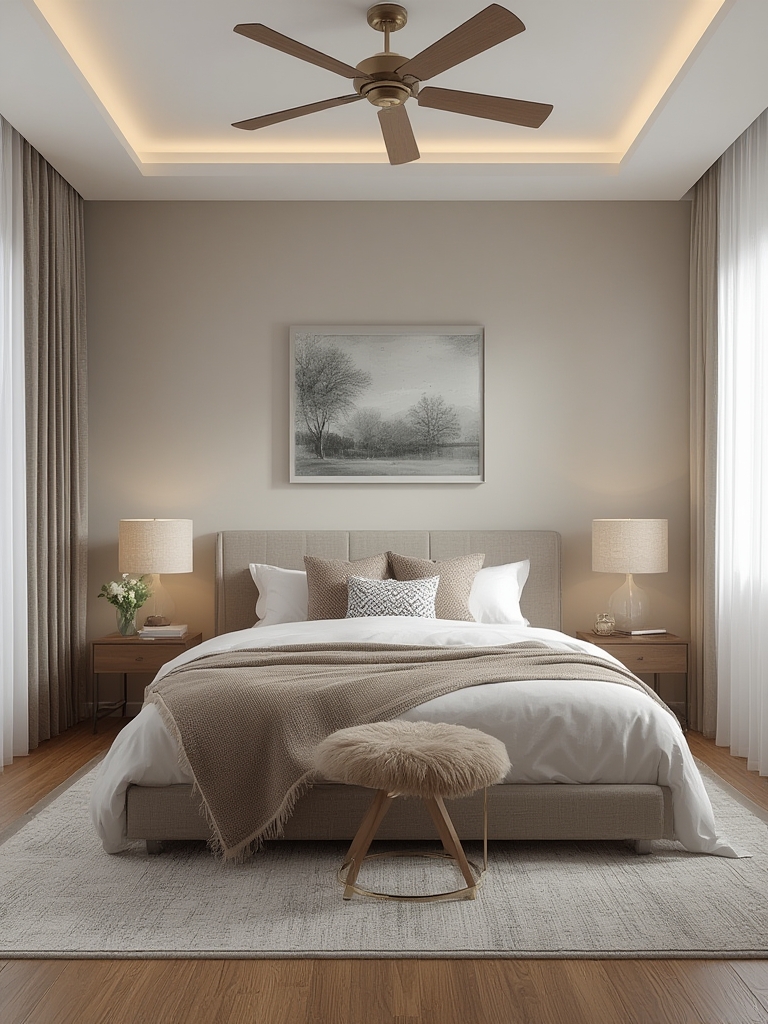
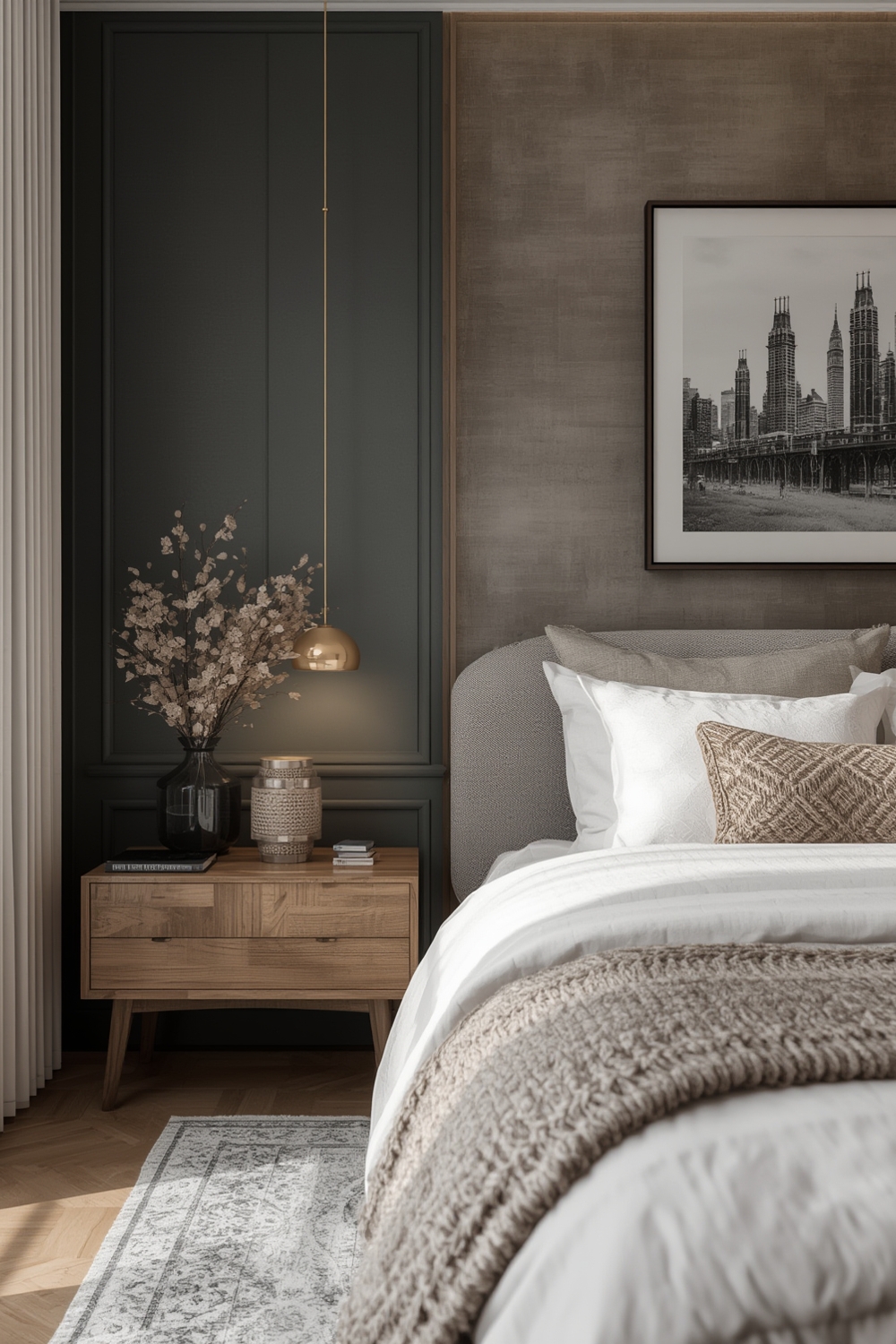
Designing a modern bedroom that feels both stylish and restful is a blend of science and creativity. By leveraging data‑driven insights—such as average room dimensions, lighting ratios, and popular color trends—you can craft a layout that maximizes space, enhances sleep quality, and adds a touch of personal flair. Below is a step‑by‑step guide that walks you through every decision point, from floor planning to the final plant‑care routine that keeps your green accent thriving.
1. Measure, Map, and Analyze Your Space
Before you move any furniture, gather accurate measurements. Use a laser measure or a simple tape, and record:
- Room length, width, and ceiling height
- Window dimensions and placement (including sill depth)
- Door swing direction and any built‑in features
Enter these numbers into a free online floor‑plan tool (e.g., Planner 5D or Roomstyler). The data‑driven advantage here is the ability to test multiple layouts instantly and see how each affects traffic flow and visual balance.
Actionable Tip
Keep a 2‑inch clearance around the bed for easy cleaning and to avoid a cramped feel. If your room is under 120 sq ft, consider a platform bed with built‑in storage to reduce the need for extra dressers.
2. Choose a Cohesive Color Palette Based on Trends
According to the 2024 Pantone Color Institute report, “Digital Lavender” and “Sage Green” dominate modern bedroom palettes. Pair these with neutral bases like warm greys or soft whites to create a calming backdrop.
Practical Steps
- Paint the walls in a light neutral (e.g., #F5F5F5) to reflect natural light.
- Introduce accent colors through textiles—think duvet covers, throw pillows, or a single statement wall in Digital Lavender.
- Use Sage Green for indoor plants and decorative accessories to tie the palette together.
3. Optimize Furniture Placement for Flow and Function
Data from interior design studies show that the optimal bed placement is opposite the main entry, with a clear line of sight to the door. This arrangement reduces stress and improves perceived safety.
Step‑by‑Step Layout
- Bed Position: Center the bed on the longest wall, leaving at least 24 inches of space on each side for nightstands.
- Nightstands: Choose sleek, floating nightstands (no legs) to maintain a clean visual line.
- Wardrobe: If space allows, place a low‑profile wardrobe opposite the bed; otherwise, use a sliding‑door closet to save floor space.
- Seating: Add a compact armchair or a built‑in window bench for reading, ensuring at least 36 inches of clearance for easy movement.
Quick Tip
Use a rug that’s at least 60 inches wider than the bed to anchor the space and add warmth without overwhelming the floor area.
4. Layer Lighting for Mood and Functionality
Modern bedroom lighting follows a three‑layer approach: ambient, task, and accent. Studies from the Lighting Research Center indicate that a 3000 K warm white ambient light improves sleep onset, while cooler task lighting (4000–4500 K) boosts reading clarity.
Implementation Guide
- Ambient Light: Install a dimmable recessed ceiling light or a sleek LED panel.
- Task Light: Add adjustable bedside lamps with a color temperature switch.
- Accent Light: Use LED strip lighting behind the headboard or under floating shelves to create depth.
Pro Tip
Integrate a smart plug or voice‑controlled dimmer so you can set a “sleep mode” that gradually dims lights over 30 minutes.
5. Incorporate Greenery: Plant Selection and Care
Plants not only enhance aesthetics but also improve indoor air quality. Data from NASA’s Clean Air Study highlights Snake Plant and ZZ Plant as top air‑purifying options for low‑light bedrooms.
Step‑by‑Step Plant Care
- Choose the Right Pot: Opt for a breathable fabric pot (10‑12 inches) to prevent root rot.
- Placement: Position the plant near a north‑facing window; it will receive indirect light ideal for these species.
- Watering Schedule: Water every 3‑4 weeks. Use the “finger test”—push your finger 2 inches into the soil; if it feels dry, water lightly.
- Feeding: Apply a balanced, slow‑release fertilizer once in spring and once in summer.
- Cleaning: Wipe leaves with a damp cloth monthly to maximize photosynthesis.
Actionable Insight
Rotate the pot 90° every two weeks to ensure even light exposure, preventing one side from becoming leggy.
6. Add Finishing Touches and Declutter
Data from the American Psychological Association shows that a clutter‑free bedroom can reduce cortisol levels by up to 15%. Keep surfaces clear and use hidden storage solutions.
Final Checklist
- Hide cords with cable organizers or under‑rug channels.
- Use decorative baskets for extra blankets or magazines.
- Install a minimalist wall-mounted coat rack to free up floor space.
- Place a small, scented candle or diffuser with lavender oil to reinforce the calming atmosphere.
SEO Boost
For better search visibility, sprinkle these keywords naturally throughout your post: “modern bedroom decor,” “bedroom layout ideas,” “minimalist bedroom design,” “indoor bedroom plants,” and “small bedroom organization.” Include alt text for images (e.g., “Sage green bedroom with floating nightstands and snake plant”) and internal links to related guides on lighting and color trends.
By following this data‑driven roadmap, you’ll transform any bedroom into a sleek, functional sanctuary that not only looks contemporary but also supports well‑being. Happy decorating!
