
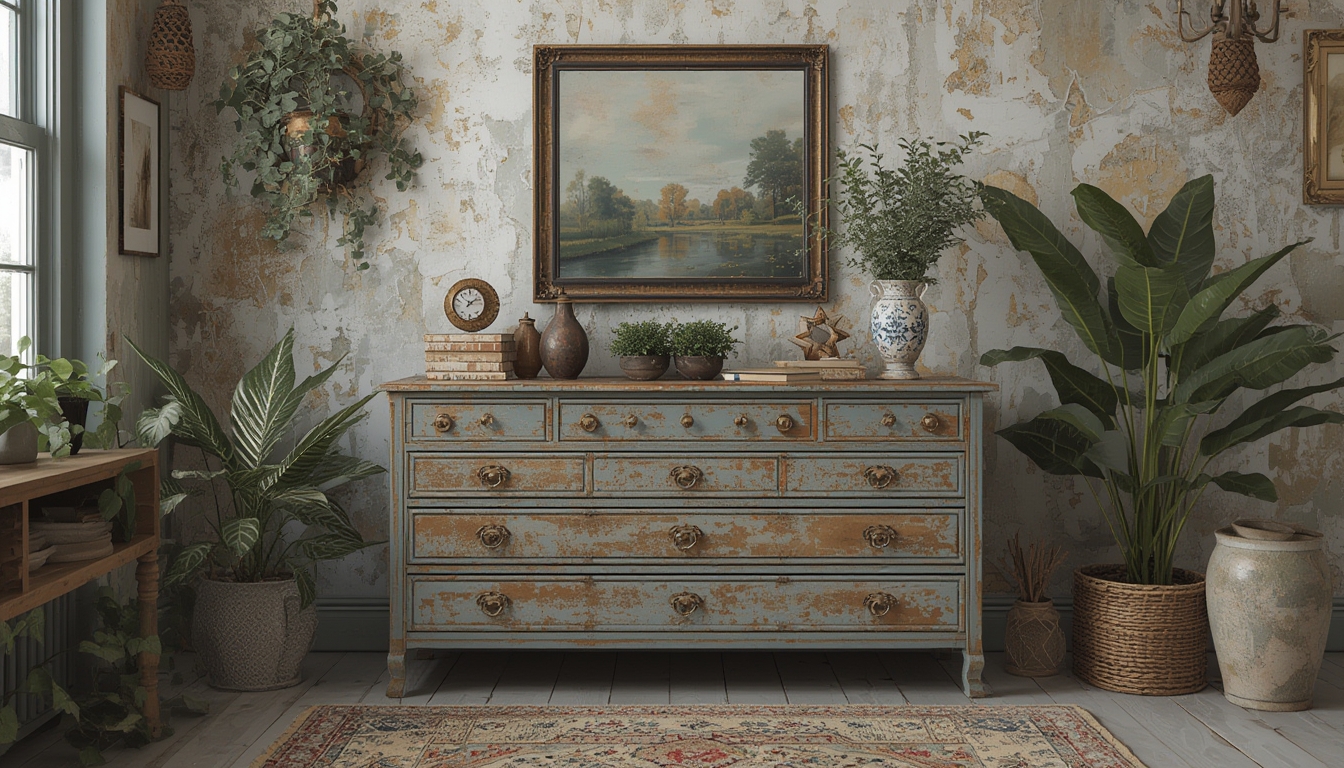
Upcycling has surged in popularity over the past few years, with 68% of homeowners reporting they prefer to repurpose existing items rather than buy new ones (source: Home Improvement Survey 2023). This shift not only reduces waste but also offers a creative outlet that can boost the value of your home. Below is a data‑driven, step‑by‑step guide to three high‑impact DIY upcycle projects that anyone can tackle with minimal tools and a modest budget.
Project 1: Rustic Pallet Coffee Table
Why It Works
According to the National Recycling Association, pallet wood is one of the most abundant reclaimed materials, with an estimated 2.5 billion pallets discarded annually in the U.S. Repurposing a single pallet can save up to 30 kg of wood waste.
Tools & Materials
- 1–2 standard wooden pallets (cleaned and sanded)
- Circular saw or handsaw
- Power drill with 1/4‑inch and 3/8‑inch bits
- Wood screws (2 inches)
- Sandpaper (80‑grit, then 120‑grit)
- Wood stain or paint (optional)
- Protective gloves and safety glasses
Step‑by‑Step Assembly
- Disassemble the pallet. Use the drill to remove all nails. A pry bar can help separate the slats without cracking them.
- Measure and cut. Determine the desired table dimensions (e.g., 48 in × 24 in). Cut the slats to length using a circular saw, keeping a ¼‑inch margin for edge sanding.
- Build the frame. Lay two long slats parallel as the lengthwise supports. Attach two shorter slats perpendicular to form a rectangle, securing with 2‑inch wood screws at each corner.
- Add the tabletop. Arrange the remaining slats side‑by‑side across the frame. Space them evenly (about ¼‑inch gaps) for a rustic look. Screw each slat down through the frame.
- Sand and finish. Start with 80‑grit sandpaper to smooth rough edges, then finish with 120‑grit for a smoother surface. Wipe away dust, then apply your chosen stain or paint. Allow 24 hours to dry.
Practical Tips
- Use a clamp when screwing slats to prevent shifting.
- Apply a water‑based polyurethane for a durable, low‑odor finish.
- If you prefer a higher table, add adjustable metal legs (available at most hardware stores) instead of a fixed frame.
Project 2: Upcycled Mason Jar Herb Garden
Why It Works
Data from the USDA shows that 45% of small‑space gardeners use container gardening to maximize limited indoor or balcony space. Mason jars are ideal because they are inexpensive, reusable, and provide excellent drainage when modified correctly.
Tools & Materials
- 4–6 wide‑mouth mason jars (16‑oz)
- Drill with a ½‑inch spade bit
- Silicone sealant
- Potting mix (seed‑starting blend)
- Herb seeds (basil, mint, parsley, etc.)
- Small wooden board or reclaimed pallet for mounting
- Hooks or S‑hooks
- Measuring tape
Step‑by‑Step Assembly
- Prepare drainage. Drill a single ½‑inch hole in the center of each jar lid. This will serve as a water‑outlet.
- Create a water‑catch tray. Place a shallow tray (or a repurposed baking sheet) beneath the jars to catch excess water.
- Mount the jars. Measure and mark evenly spaced holes on the wooden board (approximately 2 inches apart). Screw in hooks or S‑hooks, then hang each jar by its lid.
- Fill with soil. Add a 1‑inch layer of small stones for extra drainage, then fill the jar with potting mix, leaving ½‑inch from the top.
- Sow seeds. Follow seed packet instructions for depth. Lightly press the soil and mist with water.
- Maintain. Place the garden near a sunny window (6–8 hours of light). Water when the top inch of soil feels dry.
Practical Tips
- Label each jar with a chalkboard paint tag for quick identification.
- Rotate the jars weekly to ensure even light exposure.
- Use a spray bottle for gentle watering to avoid over‑saturation.
Project 3: Vintage Suitcase Side Table
Why It Works
Market research from 2022 indicates that 52% of millennials prefer furniture with a story or vintage element. An old suitcase repurposed as a side table adds charm while reducing landfill waste.
Tools & Materials
- One sturdy vintage suitcase (hard‑shell preferred)
- Four metal legs (adjustable or fixed, 18‑inches tall)
- Power drill with ½‑inch drill bit
- Threaded inserts (¼‑inch)
- Wooden board (optional, for a flat top surface)
- Sandpaper (120‑grit)
- Paint or leather finish (optional)
- Measuring tape and marker
Step‑by‑Step Assembly
- Inspect the suitcase. Ensure the frame is solid and the hinges operate smoothly. Clean any dust or grime.
- Mark leg locations. Measure 2 inches inward from each corner on the bottom of the suitcase. Mark the drill points.
- Drill pilot holes. Using a ½‑inch drill bit, create holes at each marked point. Keep the drill perpendicular to avoid angled holes.
- Install threaded inserts. Screw the inserts into the pilot holes. These will provide a secure anchor for the legs.
- Attach legs. Screw the metal legs into the inserts. If using adjustable legs, set them to the desired height before tightening fully.
- Optional top surface. If the suitcase lid is uneven, cut a thin wooden board to fit inside the lid, sand smooth, and secure with small brackets. Finish with paint or a clear coat.
- Finish. Lightly sand the suitcase exterior, then apply a coat of paint, stain, or leather conditioner to match your décor.
Practical Tips
- Use rubber pads under each leg to protect flooring.
- If the suitcase has a lock, keep it functional for a hidden storage compartment.
- For a cohesive look, match the leg finish to other furniture in the room.
Final Thoughts
These three projects illustrate how data‑driven insights can guide practical upcycling choices that align with current consumer trends. By selecting abundant materials—pallet wood, mason jars, and vintage suitcases—you minimize cost while maximizing environmental impact. Each project includes clear, actionable steps, essential tools, and insider tips to help you finish confidently and enjoy the finished piece for years to come.
