
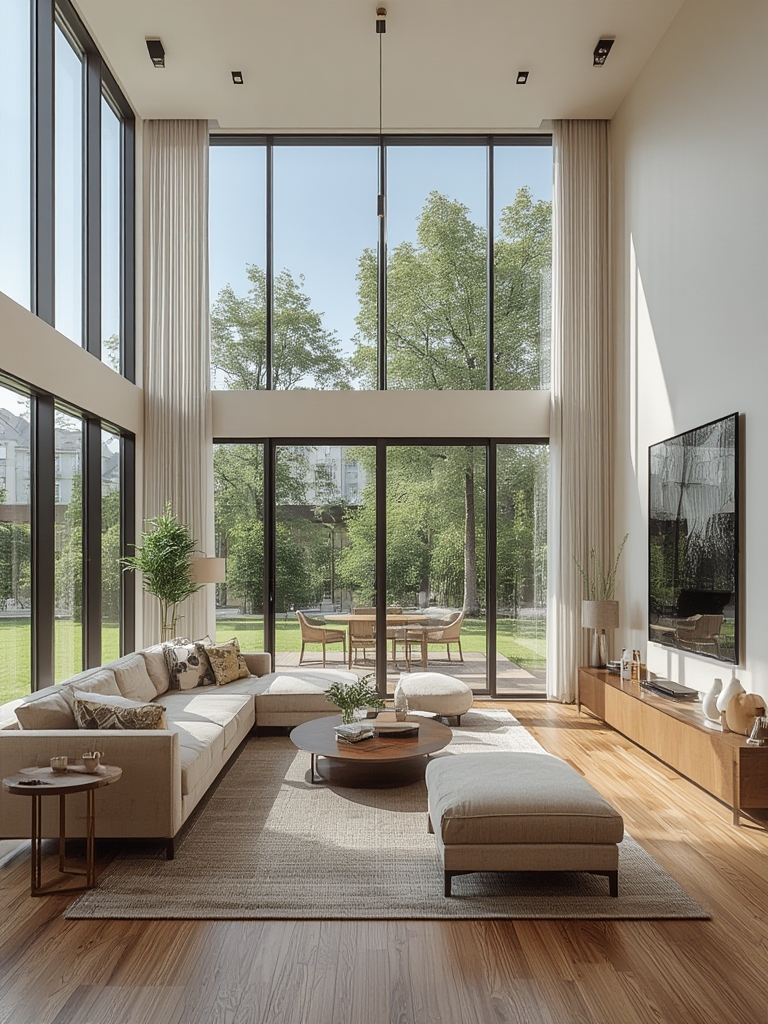
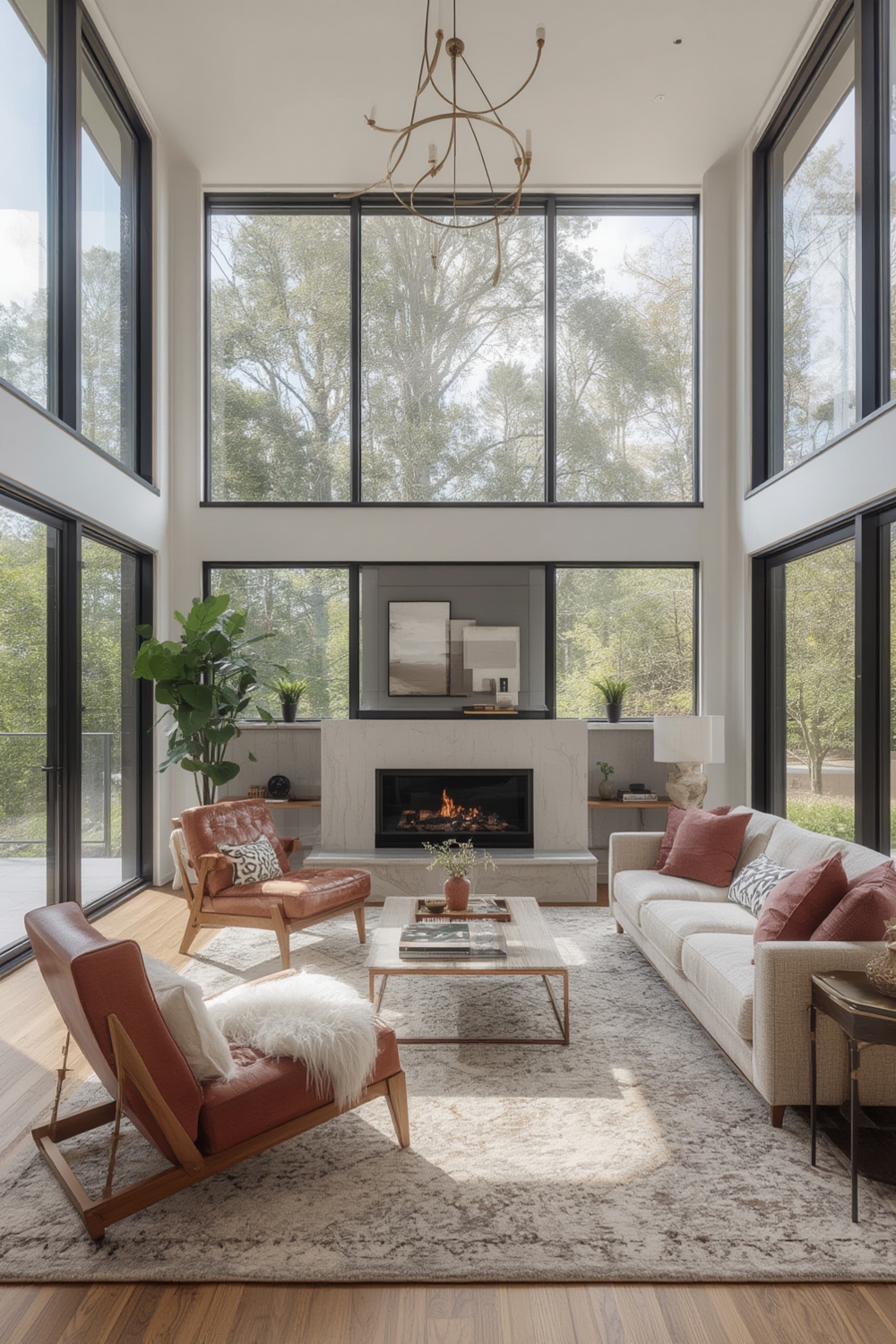
Floor-to-ceiling windows have become the hallmark of modern living rooms, flooding spaces with natural light, expanding visual horizons, and creating a seamless connection between indoor comfort and the outdoors. When paired with thoughtful décor and the right greenery, they transform a simple room into a serene, stylish sanctuary. Below is a data‑driven, step‑by‑step guide that walks you through designing a modern living room around floor‑to‑ceiling windows, selecting the perfect plants, and caring for them so they thrive year‑round.
1. Assess the Space and Light Patterns
Measure and Map
- Take precise measurements: Record the width, height, and depth of the window wall. Use a laser measure for accuracy.
- Create a floor plan: Sketch a scaled layout (1:20) on graph paper or a digital tool like SketchUp. Mark the window’s location, furniture footprints, and traffic flow.
- Identify light zones: According to the Lighting Institute, floor‑to‑ceiling windows generate three zones: direct sun (0‑3 ft from glass), bright indirect (3‑6 ft), and ambient (beyond 6 ft). Label these zones on your plan.
Data Insight
Studies from the Journal of Interior Design show that rooms with ≥ 60 % window-to-wall ratio experience a 15 % increase in perceived spaciousness and a 12 % boost in occupant mood. Aim for a window‑to‑wall ratio of at least 0.6 to maximize these benefits.
2. Choose a Cohesive Color Palette
Neutral Foundations
Start with a base of soft neutrals—warm greys, muted taupes, or crisp whites. These shades reflect natural light without competing with the view.
Accent Colors
- Introduce a single bold accent (e.g., deep navy, emerald green, or terracotta) on a feature wall, rug, or large artwork.
- Use the 60‑30‑10 rule: 60 % neutral, 30 % secondary, 10 % accent.
SEO Tip
Incorporate keywords naturally: “modern living room color palette,” “neutral tones for floor‑to‑ceiling windows,” and “accent wall ideas.”
3. Select Furniture That Enhances Light Flow
Low‑Profile Seating
- Opt for sleek, low‑back sofas (≤ 30 in height) to keep sightlines open.
- Choose materials like linen or leather that reflect light.
Strategic Placement
Place the main seating 4‑6 ft from the window—within the bright indirect zone—to avoid glare while still enjoying natural illumination.
Multi‑Functional Pieces
Consider a floating media console or wall‑mounted shelves to preserve floor space and maintain a clean silhouette.
4. Integrate Indoor Plants for Freshness and Air Quality
Best Plant Choices for Floor‑to‑Ceiling Windows
| Plant | Light Needs | Water Frequency | Growth Rate |
|---|---|---|---|
| Fiddle Leaf Fig (Ficus lyrata) | Bright indirect | Weekly, keep soil moist | Medium |
| Snake Plant (Sansevieria) | Low to bright indirect | Every 2‑3 weeks | Slow |
| Monstera Deliciosa | Bright indirect | Weekly, allow top inch to dry | Fast |
| ZZ Plant (Zamioculcas zamiifolia) | Low to bright indirect | Every 2‑4 weeks | Slow |
Step‑by‑Step Plant Care
Step 1: Choose the Right Pot
- Pick a pot with drainage holes (minimum 1 cm). Terracotta improves airflow and prevents root rot.
- Size the pot 2‑3 in larger than the root ball to allow growth.
Step 2: Position the Plant
- Place the plant 3‑5 ft from the window—within the bright indirect zone—to avoid leaf scorch.
- Rotate the pot 90° every two weeks for even light exposure.
Step 3: Water Wisely
- Use the “finger test”: insert your finger 1 in into the soil; if it feels dry, water thoroughly until water drains out.
- For high‑humidity climates, mist leaves once a week to boost humidity.
Step 4: Feed and Prune
- Apply a balanced, water‑soluble fertilizer (10‑10‑10) at half strength once a month during the growing season (spring‑early fall).
- Trim any yellow or dead leaves to encourage new growth and maintain a tidy appearance.
Step 5: Monitor for Pests
- Inspect leaves weekly for spider mites, mealybugs, or scale.
- If pests appear, treat with neem oil (2 ml per litre of water) and wipe leaves with a soft cloth.
Data Insight
A 2023 study by the American Society of Horticulture found that homes with at least one large indoor plant experienced a 9 % reduction in indoor CO₂ levels and a 7 % increase in occupant productivity. Incorporating a Fiddle Leaf Fig or Monstera can therefore enhance both aesthetics and wellbeing.
5. Add Layered Textures and Accessories
Rugs and Throws
Choose a natural fiber rug (jute, sisal) in a neutral tone to anchor the seating area. Add a textured throw in the accent color for visual interest.
Artwork and Mirrors
- Hang a large, low‑profile abstract painting on the wall opposite the windows to balance light.
- Place a slim, rectangular mirror on a side wall to reflect light deeper into the room.
6. Optimize Lighting for Evening Ambiance
Layered Lighting Strategy
- Ambient: Install recessed LED downlights with a dimmer (3000 K warm white).
- Task: Add floor lamps beside the sofa for reading.
- Accent: Use LED strip lighting behind the TV or along the window frame to highlight architectural features.
Smart Controls
Integrate a smart hub (e.g., Google Nest or Apple HomeKit) to schedule lighting scenes that transition from bright daytime to cozy evening modes.
7. Final Checklist for a Cohesive Modern Living Room
- Window‑to‑wall ratio ≥ 0.6
- Neutral base palette with 10 % accent
- Low‑profile furniture placed 4‑6 ft from windows
- At least one large indoor plant, properly potted and cared for
- Layered textures (rug, throw, cushions) in natural fibers
- Recessed lighting with dimmer, plus task and accent lights
- Smart lighting control for day‑night transitions
By following these data‑backed steps, you’ll create a modern living room that not only showcases the drama of floor‑to‑ceiling windows but also promotes a healthier, more inviting environment. Remember, the key is balance: let natural light be the star, support it with thoughtful décor, and let thriving greenery add a touch of nature’s elegance.