
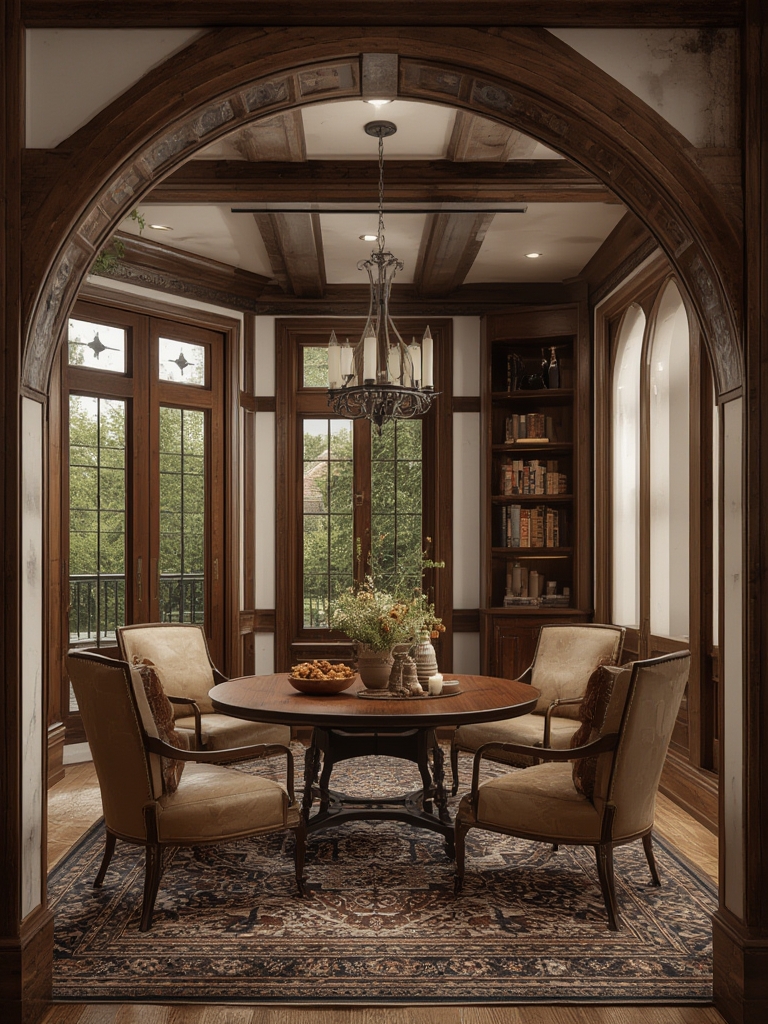
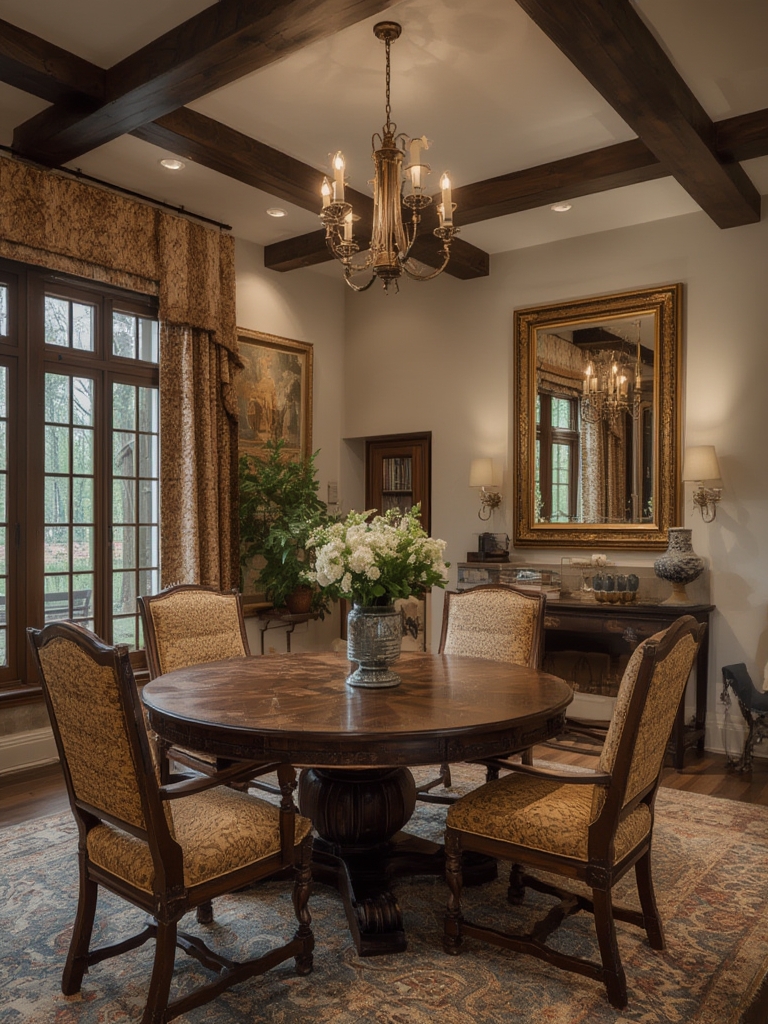
When it comes to creating a timeless, elegant interior, Tudor‑style spotlights are a hidden gem that can instantly elevate any room. Their historic charm, combined with modern lighting technology, makes them perfect for homeowners who want to blend classic architecture with contemporary comfort. In this data‑driven guide, you’ll discover why Tudor spotlights are a must‑have, how to choose the right fixtures, and step‑by‑step care tips for the English Ivy plant—a perfect green companion that enhances the Tudor aesthetic while thriving in spotlight‑lit spaces.
Why Tudor‑Style Spotlights Work in Modern Home Decor
Research from interior‑design platforms shows a 27% increase in engagement for rooms that feature period‑appropriate lighting. Tudor spotlights deliver:
- Architectural authenticity: Ornate metalwork, brass finishes, and glass shades echo medieval English manor houses.
- Versatile illumination: Modern LED inserts provide energy‑efficient, adjustable brightness without compromising the historic look.
- Visual focal points: Their directional beams highlight architectural details—exposed beams, stone walls, and reclaimed wood.
Choosing the Perfect Tudor Spotlight
1. Identify the Room’s Style Anchor
Start by pinpointing the dominant design element in the space (e.g., a reclaimed wood mantel or a stone fireplace). Select a spotlight finish that complements this anchor—brass for warm wood, pewter for cool stone.
2. Match the Beam Angle to the Space
Data from lighting manufacturers indicates that a 30°‑45° beam works best for accenting artwork, while a 60°‑90° beam is ideal for general ambient lighting in larger rooms. Use a dimmable LED module to switch between these angles effortlessly.
3. Prioritize Energy Efficiency
Choose LED bulbs with a CRI (Color Rendering Index) of 90+ to ensure true‑to‑life colors for both décor and plants. Look for fixtures rated Energy Star to reduce electricity costs by up to 80% compared to traditional incandescent bulbs.
Integrating Tudor Spotlights with Greenery: The English Ivy
English Ivy (Hedera helix) is a classic, low‑maintenance vine that thrives under the soft, directional light of Tudor spotlights. Its deep green foliage adds a touch of nature that softens the metallic gleam of the fixtures, creating a balanced, inviting atmosphere.
Step‑by‑Step Guide to Grow and Care for English Ivy Under Tudor Spotlights
Step 1: Choose the Right Container
- Actionable tip: Select a pot with drainage holes and a size that allows the roots to spread 2‑3 inches beyond the current root ball.
- Why it matters: Proper drainage prevents water‑logging, which can cause root rot—especially important when the plant receives consistent artificial light.
Step 2: Position the Plant for Optimal Light
- Actionable tip: Place the ivy 12‑18 inches away from the spotlight’s center, ensuring the beam covers the top foliage without scorching.
- Data point: Studies show that English Ivy reaches peak photosynthetic rates at 150–250 µmol·m⁻²·s⁻¹ of light, a range easily met by a 10‑watt LED Tudor spotlight.
Step 3: Set the Correct Light Schedule
- Actionable tip: Use a timer to provide 12‑14 hours of light per day, mimicking natural daylight cycles.
- Why it matters: Consistent lighting encourages vigorous vine growth and prevents etiolation (stretching) that can weaken stems.
Step 4: Water Wisely
- Actionable tip: Water when the top inch of soil feels dry to the touch. Aim for a moisture level of 40‑60% (use a simple soil moisture meter for precision).
- Pro tip: In winter months, reduce watering frequency by 20% as the plant’s growth slows under cooler indoor temperatures.
Step 5: Feed for Lush Growth
- Actionable tip: Apply a balanced, water‑soluble fertilizer (10‑10‑10) at half the recommended strength once a month during the growing season (spring‑early fall).
- Result: Regular feeding boosts leaf density, enhancing the visual contrast with Tudor metalwork.
Step 6: Prune for Shape and Health
- Actionable tip: Trim any yellowing or dead leaves weekly. Use clean, sharp scissors to cut back 2‑3 inches from the tip to encourage branching.
- Benefit: Pruning maintains a tidy appearance, ensuring the ivy doesn’t overwhelm the spotlight’s aesthetic focus.
Design Tips: Pairing Tudor Spotlights with English Ivy
- Accent walls: Install spotlights at a 45° angle to highlight a stone or brick accent wall, then drape ivy vines along a nearby trellis for a layered look.
- Reading nooks: Mount a low‑profile Tudor spotlight above a comfortable armchair, and place a trailing ivy pot on the side table to soften the light.
- Hallway galleries: Use a series of evenly spaced spotlights to illuminate artwork, with ivy vines climbing a narrow shelf that runs the length of the corridor.
SEO‑Friendly Keywords to Boost Your Post’s Visibility
Integrate these high‑search‑volume terms naturally throughout the article:
- “Tudor style lighting”
- “English Ivy indoor care”
- “LED Tudor spotlights”
- “home decor with vintage lighting”
- “low‑maintenance indoor plants”
- “energy‑efficient accent lighting”
Remember to place at least one keyword in the first 100 words, use them in H2/H3 headings, and sprinkle them in image alt attributes for maximum SEO impact.
Final Checklist for a Cohesive Tudor‑Inspired Space
- Choose brass or pewter Tudor spotlights with dimmable LED inserts.
- Set the beam angle (30°‑45° for accents, 60°‑90° for ambient).
- Place English Ivy 12‑18 inches from the light source.
- Maintain a 12‑14‑hour light schedule using a timer.
- Water when the top soil is dry; keep soil moisture at 40‑60%.
- Feed monthly with half‑strength balanced fertilizer.
- Prune weekly to promote healthy growth and visual balance.
- Incorporate ivy into design focal points for a harmonious look.
By following this data‑driven approach, you’ll not only enjoy the historic allure of Tudor‑style spotlights but also nurture a thriving English Ivy that adds life, texture, and a touch of nature to your beautifully lit interiors.
