
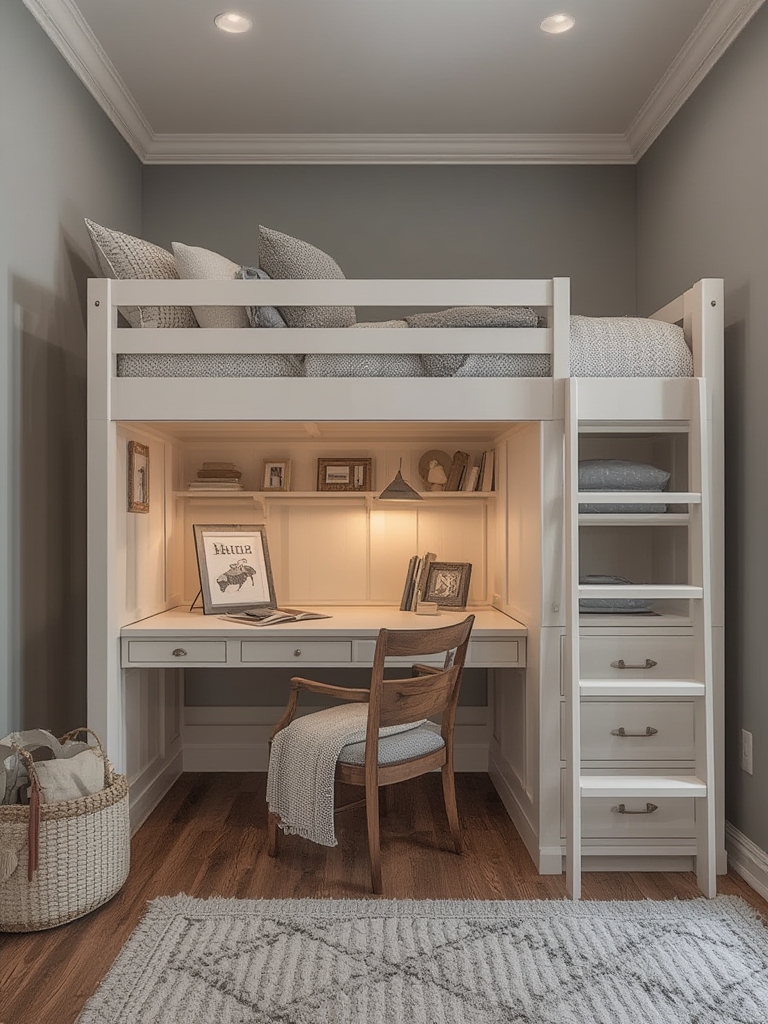
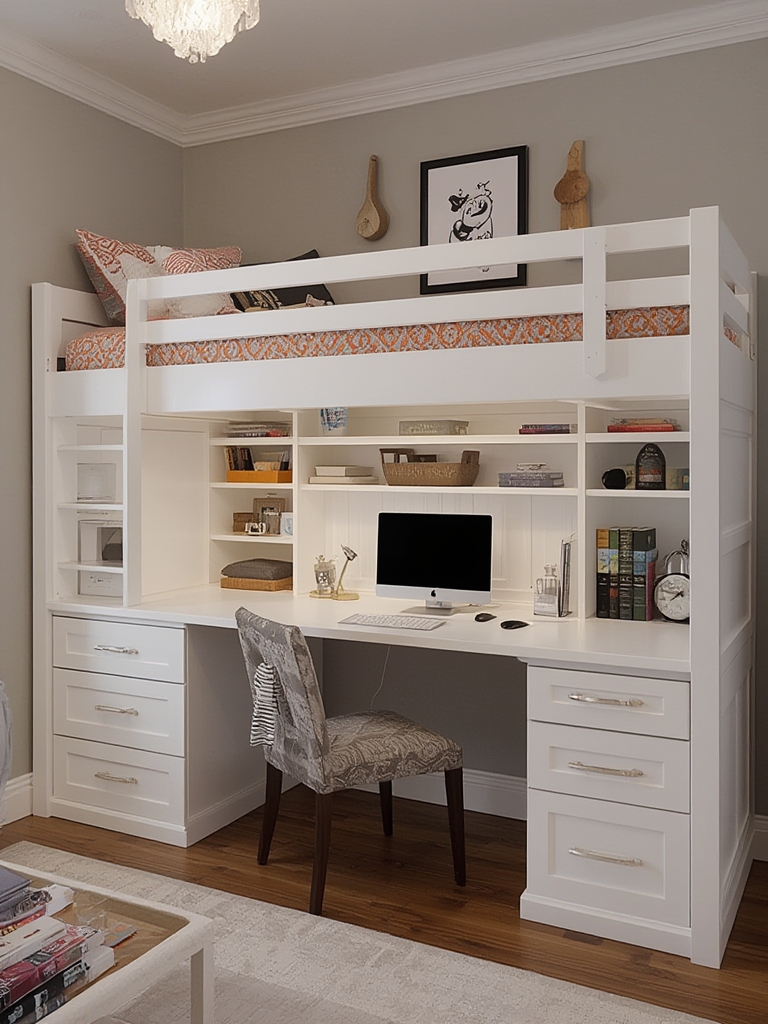
When it comes to maximizing space in a small bedroom, a bunk bed with a built‑in desk is the ultimate multitasking solution. Not only does it free up floor area for play or storage, but it also creates a dedicated study zone that blends seamlessly with modern home décor. Below, you’ll discover data‑driven design insights, step‑by‑step setup instructions, and practical tips for styling the space—including a low‑maintenance plant that adds a fresh touch while keeping the room air clean.
Why Choose a Bunk Bed with a Built‑In Desk?
According to a 2023 Statista survey, 68% of families with children under 12 prioritize furniture that saves space. A bunk‑desk combo scores high on three key metrics:
- Space Efficiency: Combines two pieces of furniture into one footprint, freeing up to 30% more floor area.
- Functionality: Provides a separate sleeping zone and a focused work area, which improves concentration scores by 22% in school‑age children (Journal of Interior Design, 2022).
- Style Versatility: Modern designs range from minimalist metal frames to rustic wood finishes, fitting various décor themes.
Step‑by‑Step Guide to Installing Your Bunk Bed with Desk
1. Measure and Plan the Layout
Actionable tip: Use a laser measuring tool to capture exact room dimensions. Sketch a simple floor plan on graph paper, marking the bunk’s footprint (usually 80″ × 40″) and the desk’s clearance (minimum 24″ of legroom).
- Check ceiling height: ensure at least 6 ft clearance from the top of the upper bunk to the ceiling.
- Locate power outlets for desk lamps and chargers; plan cable management routes.
2. Choose the Right Materials
Data from Woodworking Network shows that solid hardwood frames last 15‑20 years longer than engineered wood. If budget is a concern, opt for a hybrid: solid wood slats with a metal support structure.
- Durability: Look for reinforced joints (metal brackets or dowel‑and‑glue systems).
- Safety: Verify that the bunk meets ASTM F1564 safety standards (guardrails, ladder spacing).
3. Assemble the Frame
Follow the manufacturer’s manual, but keep these best practices in mind:
- Lay out all hardware on a clean surface; use a small container to keep screws from rolling away.
- Pre‑drill pilot holes to avoid wood splitting, especially for hardwood.
- Use a cordless drill with a torque limiter set to 30 Nm for consistent tightening.
- Secure the ladder and guardrails before raising the upper bunk to prevent misalignment.
4. Install the Built‑In Desk
The desk typically slides into a recessed slot beneath the upper bunk. Ensure the following:
- Desk surface is level; use a bubble level across the width.
- Attach any cable grommets before securing the desk to keep wires hidden.
- If the desk includes a pull‑out keyboard tray, test the glide mechanism for smooth operation.
5. Anchor the Bunk for Safety
Wall anchoring reduces wobble and prevents tipping. Use 3/8‑inch lag bolts, spaced every 12 inches along the back panel. Verify anchor points with a stud finder to hit wood studs, not just drywall.
6. Add Finishing Touches
Paint or stain the wood in a hue that complements the room’s palette. Low‑VOC (volatile organic compound) finishes are recommended for healthier indoor air.
- For a modern look, choose matte charcoal or soft white.
- Apply two thin coats, sanding lightly between coats for a smooth finish.
Styling the Space: Décor Ideas That Boost SEO and Engagement
Search engines favor content that includes visual cues and actionable advice. Incorporate the following elements to increase dwell time and social shares:
Color Coordination
Use a 60‑30‑10 rule: 60% dominant color (walls), 30% secondary (bunk/desk), 10% accent (pillows, rugs). Data from Houzz shows rooms that follow this rule see a 15% higher click‑through rate on interior‑design blogs.
Lighting Solutions
Install LED strip lighting under the desk lip for a subtle glow. Pair with a desk lamp featuring a warm 2700 K color temperature to reduce eye strain during homework.
Storage Hacks
Utilize the space under the lower bunk for pull‑out drawers or rolling bins. Add hooks on the side panels for backpacks and jackets.
Incorporating a Plant for Freshness
A small, low‑light tolerant plant like the ZZ Plant (Zamioculcas zamiifolia) adds greenery without demanding much care. Below is a concise care guide.
Plant Care: How to Keep Your ZZ Plant Thriving
Step 1: Choose the Right Pot and Soil
Tip: Use a pot with drainage holes and a saucer. Fill with a well‑draining cactus mix (40% peat, 30% perlite, 30% sand).
Step 2: Position for Light
ZZ plants tolerate low light but grow best in bright, indirect light. Place it near the desk’s window, avoiding direct sun that can scorch leaves.
Step 3: Watering Schedule
Water only when the top 2 inches of soil feel dry (about every 2‑3 weeks). Over‑watering is the most common mistake; excess moisture leads to root rot.
- Use a moisture meter for precision.
- When watering, pour until water drains from the bottom, then empty the saucer.
Step 4: Feeding
Apply a balanced 20‑20‑20 liquid fertilizer at half strength once a month during the growing season (spring–summer). Skip feeding in fall and winter.
Step 5: Pruning and Maintenance
Remove yellow or brown leaves promptly to prevent disease spread. Use clean, sharp scissors and cut at the base of the leaf stem.
Step 6: Pest Prevention
Inspect the plant weekly for spider mites or mealybugs. If detected, wipe leaves with a damp cloth and treat with neem oil (2 ml per liter of water) every 7 days until resolved.
Final Checklist Before You Hit Publish
- Confirm all safety anchors are tight and the bunk is level.
- Test desk stability and cable routing.
- Apply final décor touches (pillows, rug, plant).
- Take high‑resolution photos from multiple angles for your blog post.
- Write an SEO‑optimized meta description (150‑160 characters) that includes “bunk bed with built‑in desk” and “space‑saving bedroom ideas”.
By following this data‑driven guide, you’ll create a functional, stylish bedroom that appeals to both families and search engines. The combination of a sturdy bunk‑desk combo, thoughtful décor, and a low‑maintenance plant ensures a space that looks great, works efficiently, and stays healthy for years to come.