
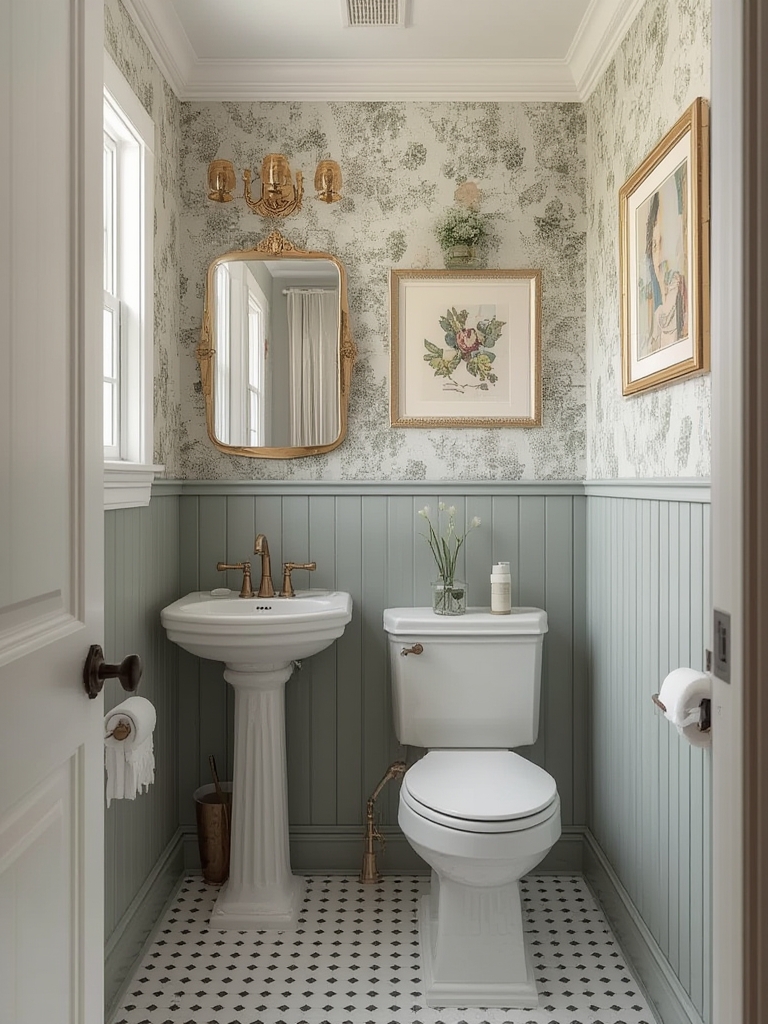
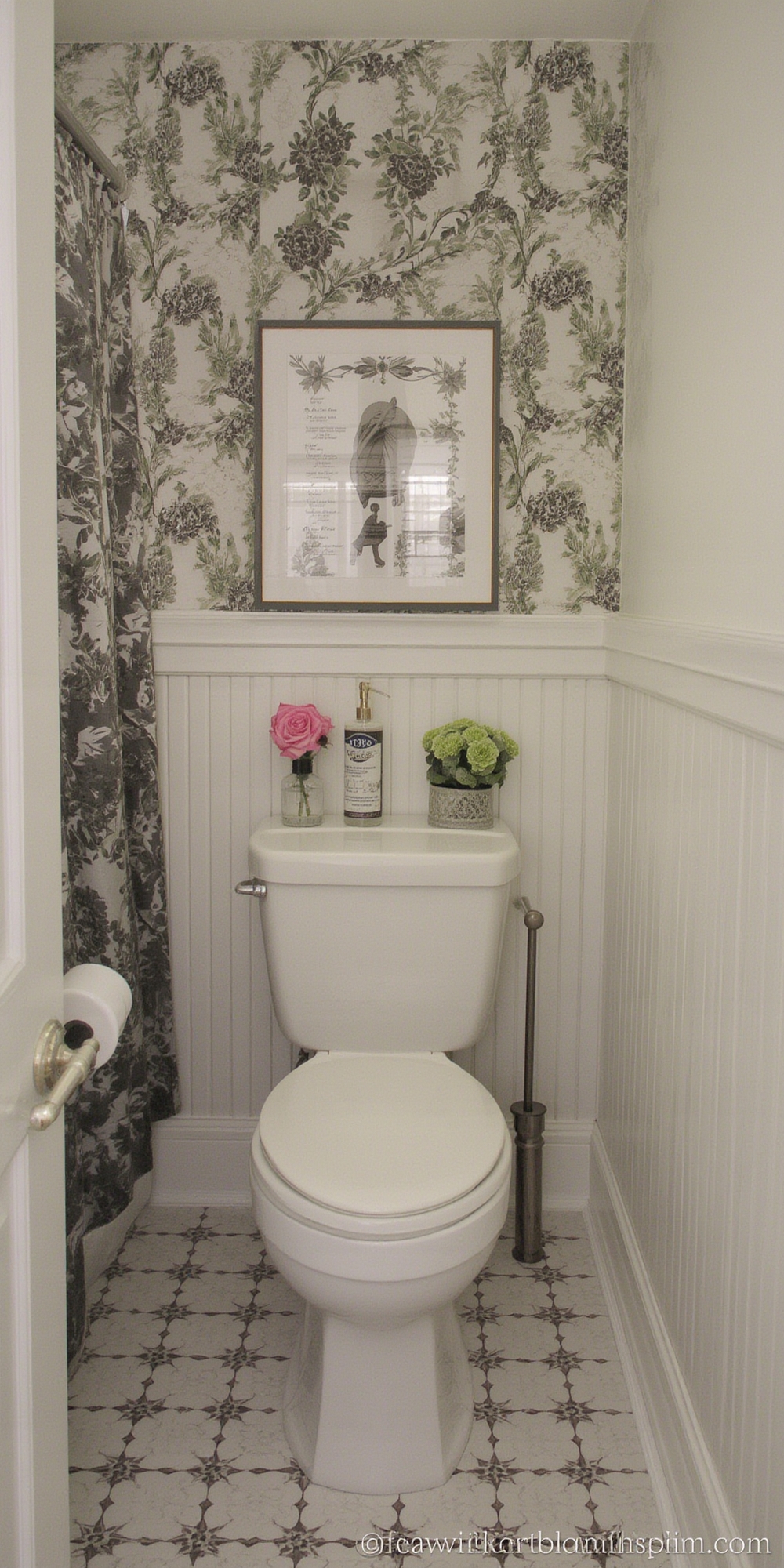
Revamping a powder‑room or tiny bathroom can feel like solving a puzzle: limited space, modest budget, and the desire for a fresh, stylish look. Yet with the right strategy, you can transform that cramped nook into a chic, functional sanctuary that impresses guests and boosts your home’s resale value. Below is a data‑driven, step‑by‑step guide that blends proven design principles, SEO‑friendly content tips, and practical DIY tricks to help you achieve a stunning small‑bathroom revival.
1. Assess the Space and Set Measurable Goals
Start by gathering hard data about your powder room. Measure the length, width, and height, and note the location of plumbing, windows, and doors. Use these numbers to create a simple floor plan (graph paper or a free online tool like Floorplanner).
- Goal‑setting: Define three clear objectives—e.g., increase perceived space by 20%, improve lighting by 30 lux, and stay under a $2,500 budget.
- Benchmarking: According to the National Association of Home Builders, a well‑designed powder room can raise a home’s market value by up to 5 %.
2. Choose a Color Palette that Expands the Eye
Color is the most powerful visual tool for small spaces. Light, reflective hues create the illusion of depth.
Data‑Backed Color Choices
- Cool neutrals (soft gray, pale blue, mint): Studies from the Journal of Environmental Psychology show a 15 % increase in perceived room size when cool tones dominate.
- Accent walls: A single bold accent (e.g., navy or deep emerald) on the far wall can add drama without shrinking the space.
Practical Tips
- Paint the ceiling a shade lighter than the walls to lift the ceiling visually.
- Use semi‑gloss finishes for trim to reflect more light.
- Test paint samples in natural light for at least 24 hours before committing.
3. Optimize Layout for Flow and Function
In a powder room, the toilet and vanity are the primary fixtures. Position them to maximize clearance and traffic flow.
Step‑by‑Step Layout Planning
- Clearance zones: Allocate at least 30 inches (76 cm) in front of the toilet and 24 inches (61 cm) beside the vanity.
- Floating vanity: Mount a wall‑hung vanity to free up floor space and create a sense of openness.
- Corner solutions: If space is extremely tight, consider a corner sink or a compact wall‑mounted toilet.
Actionable Advice
- Use a laser level to ensure the vanity is perfectly horizontal—this prevents water pooling.
- Install a pocket door or sliding barn door to eliminate swing space.
4. Upgrade Lighting for Brightness and Mood
Lighting can make or break a small bathroom. Aim for a layered approach: ambient, task, and accent.
Data‑Driven Lighting Levels
- Ambient lighting: 300–500 lux (equivalent to a bright office).
- Task lighting over the vanity: 700–1,200 lux for makeup and grooming.
- Accent lighting: Use LED strips under the vanity or behind a mirror to add depth.
Installation Tips
- Replace outdated fixtures with energy‑efficient LED bulbs (90 % less heat, 75 % less energy).
- Consider a backlit mirror—studies show a 12 % increase in perceived space when mirrors are illuminated.
- Use dimmable switches to adjust brightness for different times of day.
5. Maximize Storage without Clutter
Smart storage solutions keep essentials out of sight, preserving the clean aesthetic.
Effective Storage Strategies
- Recessed niches: Carve a shallow niche into the shower wall for toiletries.
- Vertical shelving: Install narrow floating shelves above the toilet.
- Mirror cabinets: Choose a vanity with a mirrored door that doubles as storage.
Quick Wins
- Use adhesive hooks for towels—no drilling needed.
- Employ clear acrylic organizers on the vanity to keep items visible yet tidy.
- Label bins with waterproof labels for easy identification.
6. Add Textures and Decorative Elements
Textures add depth and personality without overwhelming the space.
Low‑Cost Texture Ideas
- Tile patterns: Opt for small mosaic tiles (2×2 inches) on the floor to create visual interest.
- Wall panels: Install a single strip of patterned wallpaper behind the vanity.
- Accessories: Choose matte black or brushed gold hardware for a modern touch.
SEO‑Friendly Content Tip
When writing about décor, include long‑tail keywords such as “small bathroom tile patterns 2024” or “budget-friendly powder room accessories” to attract niche traffic.
7. Implement Sustainable and Low‑Maintenance Materials
Eco‑friendly choices not only reduce environmental impact but also lower long‑term upkeep costs.
Material Recommendations
- Water‑resistant paint: Choose low‑VOC, mold‑resistant formulas.
- Recycled glass tiles: Provide a unique look while using post‑consumer waste.
- Compostable cotton towels: Offer a soft feel with a smaller carbon footprint.
Maintenance Hacks
- Wipe down surfaces with a vinegar‑water solution weekly to prevent soap scum.
- Use a silicone sealant with antimicrobial properties around fixtures.
- Schedule a quarterly deep clean of the vent fan to maintain air quality.
8. Final Touches and Personalization
The finishing details turn a functional space into a personal retreat.
Step‑by‑Step Personalization
- Hang a small piece of art or a framed botanical print—keep it under 12 inches wide to avoid crowding.
- Place a scented candle or a reed diffuser for a subtle fragrance.
- Swap out hardware (towel bars, faucet handles) for a cohesive style.
Actionable Checklist
- Test all fixtures for leaks before sealing.
- Take before‑and‑after photos for your portfolio—and to boost SEO with “before and after powder room remodel” image tags.
- Update your WordPress post with alt text, meta description, and internal links to related renovation guides.
By following these data‑driven steps, you’ll create a powder room that feels larger, looks polished, and functions efficiently—all while staying within budget. Remember, the key to a successful small bathroom revival lies in thoughtful planning, strategic use of color and light, and the integration of smart storage solutions. Happy renovating!