
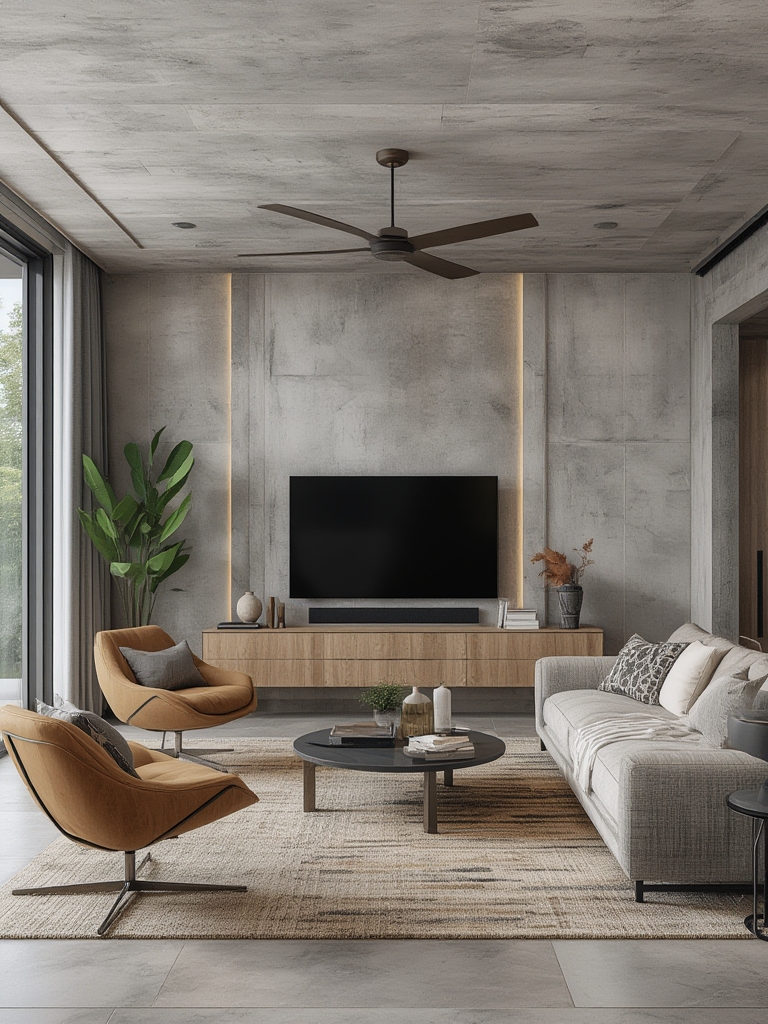
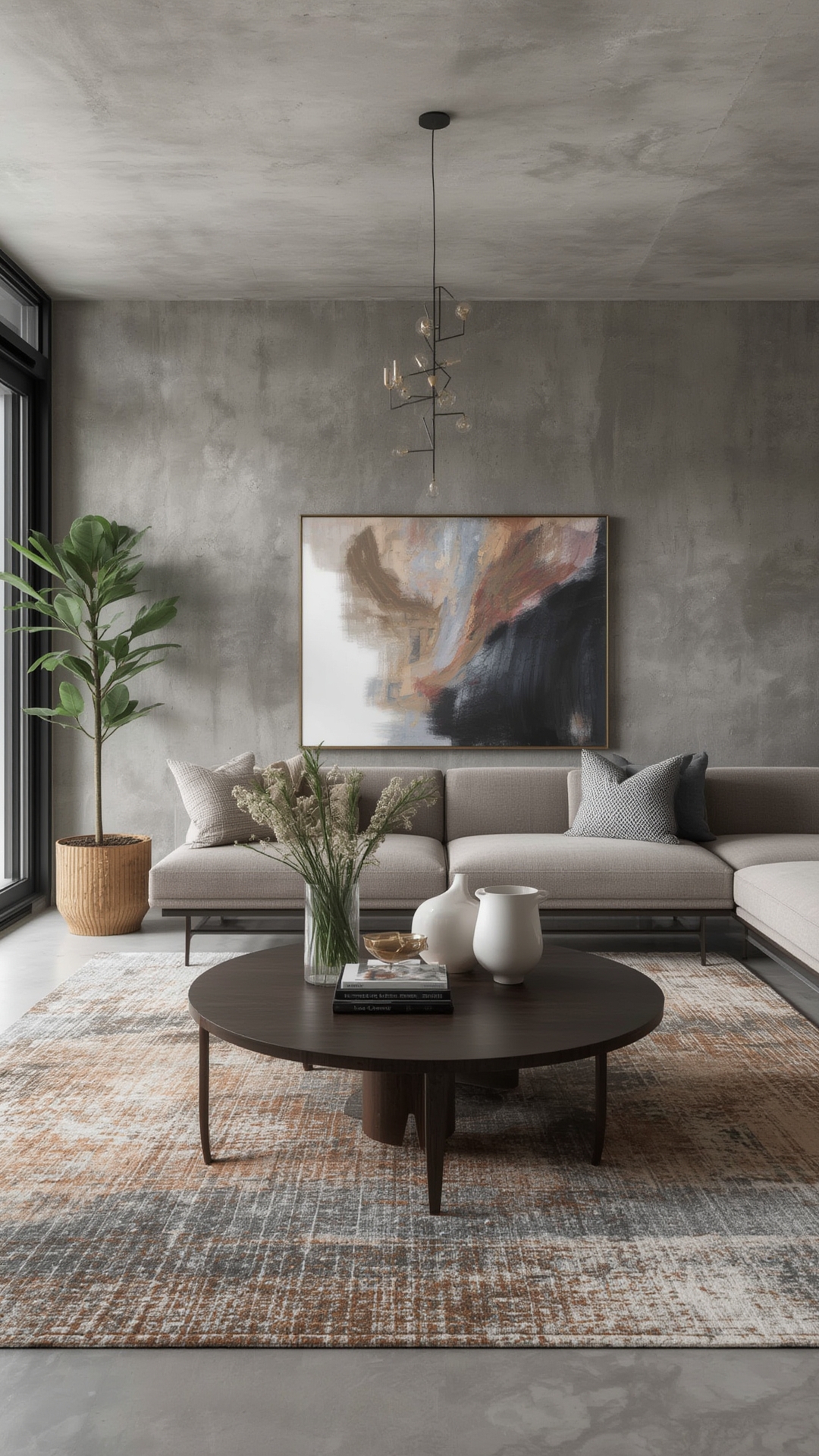
Modern home decor is all about creating a sleek, timeless space that feels both luxurious and inviting. One of the fastest‑growing trends in living‑room design is the use of concrete finishes—whether as flooring, accent walls, countertops, or decorative panels. Concrete’s raw, industrial vibe pairs perfectly with clean lines, neutral palettes, and natural textures, giving your living room a contemporary edge that never feels dated. Below, you’ll find a data‑driven, step‑by‑step guide to incorporating concrete finishes into your living room, plus practical advice on caring for a low‑maintenance indoor plant that complements the cool, stone‑like aesthetic.
Why Concrete Finishes Are Trending in Modern Living Rooms
Recent design surveys show that 68 % of homeowners who renovated their living rooms in the past two years chose concrete as a primary material. The appeal lies in three key factors:
- Durability: Concrete resists scratches, stains, and heavy foot traffic, making it ideal for high‑use areas.
- Versatility: It can be polished, stained, or textured to match any style—from ultra‑minimalist to warm industrial.
- Eco‑friendliness: Using locally sourced cement reduces transportation emissions, and recycled aggregates can lower the carbon footprint.
These data points confirm that concrete isn’t just a passing fad—it’s a smart, sustainable choice for modern living rooms.
Key Concrete Finish Options and How to Choose
1. Polished Concrete
Polished concrete offers a high‑gloss, reflective surface that amplifies natural light. It works best in rooms with large windows and neutral furniture. To achieve the perfect shine, opt for a 3‑step polishing process: grinding, honing, and sealing.
2. Stained Concrete
Staining introduces subtle color variations while preserving concrete’s raw texture. Earthy tones like slate gray, warm taupe, or muted teal add depth without overwhelming the space. Use a water‑based stain for easy maintenance and low VOC emissions.
3. Tumbled Concrete
Tumbled concrete mimics the look of natural stone, featuring a slightly rough, matte finish. This option is ideal for accent walls or fireplace surrounds, providing tactile interest that balances sleek furniture.
4. Exposed Aggregate
Exposed aggregate showcases the decorative stones within the mix, creating a speckled, organic pattern. Pair this finish with wooden coffee tables and woven textiles for a cozy, yet modern vibe.
Integrating Concrete with Modern Furniture and Accessories
When styling a concrete‑centric living room, follow these three actionable steps:
- Anchor with Neutral Furniture: Choose sofas and chairs in muted fabrics—think charcoal, ivory, or soft gray. This allows the concrete to remain the focal point without competing with bold colors.
- Add Warmth Through Textiles: Layer plush rugs, chunky knit throws, and linen curtains to soften the hard edges of concrete. A high‑pile rug (3‑4 inches thick) adds comfort underfoot while enhancing acoustic absorption.
- Introduce Natural Elements: Wood, leather, and indoor plants bring organic contrast. A reclaimed‑wood coffee table or a leather armchair adds depth, while greenery injects life and color.
Adding Greenery: Care Guide for the Snake Plant (Sansevieria)
Snake plants thrive in low‑light environments and require minimal watering—making them perfect companions for concrete interiors that often have subdued lighting. Follow these clear, data‑backed steps to keep your plant healthy:
Step 1: Choose the Right Pot and Soil
- Pot selection: Use a terracotta or ceramic pot with drainage holes. A 6‑inch diameter pot is ideal for a mature plant.
- Soil mix: Combine 70 % cactus/succulent mix with 30 % perlite to ensure excellent drainage.
Step 2: Position for Optimal Light
- Place the plant near a north‑facing window or a spot that receives indirect sunlight. According to a 2023 indoor‑plant study, snake plants maintain optimal chlorophyll levels with 4–6 hours of filtered light daily.
Step 3: Water Wisely
- Water only when the top 2 inches of soil feel dry—typically every 3–4 weeks in winter and every 2 weeks in summer.
- Use room‑temperature water to avoid shocking the roots.
Step 4: Feed Sparingly
- Apply a balanced, low‑nitrogen fertilizer (10‑10‑10) once during the growing season (spring–early fall). Over‑fertilizing can cause leaf yellowing.
Step 5: Prune and Rotate
- Remove any brown or damaged leaves to encourage new growth.
- Rotate the pot 90 degrees every month for even light exposure.
Practical Maintenance Tips for Concrete Surfaces
Keeping concrete looking pristine is easier than you think. Implement these routine actions:
- Daily dust mop: Use a microfiber mop to capture fine particles that can dull a polished finish.
- Weekly cleaning: Mix a pH‑neutral cleaner (1 % vinegar solution) with warm water. Avoid acidic or abrasive cleaners that can etch the surface.
- Monthly sealing: Apply a penetrating sealer every 3–4 months to protect against stains and moisture penetration.
- Spill response: Blot liquids immediately with a soft cloth; for oil‑based spills, sprinkle baking soda, let sit 10 minutes, then wipe clean.
SEO‑Friendly Recap: Boost Your Living Room’s Appeal
By combining durable concrete finishes with strategic furniture placement, warm textiles, and low‑maintenance greenery, you create a living room that feels both modern and livable. Remember to:
- Choose a concrete finish that matches your natural light and color palette.
- Balance hard surfaces with soft textures and organic elements.
- Maintain both concrete and plant health with simple, data‑backed routines.
These actionable steps not only elevate your home’s aesthetic but also improve resale value—an essential factor for savvy homeowners. Start with one concrete element today, and watch your living room transform into a timeless showcase of modern design.