
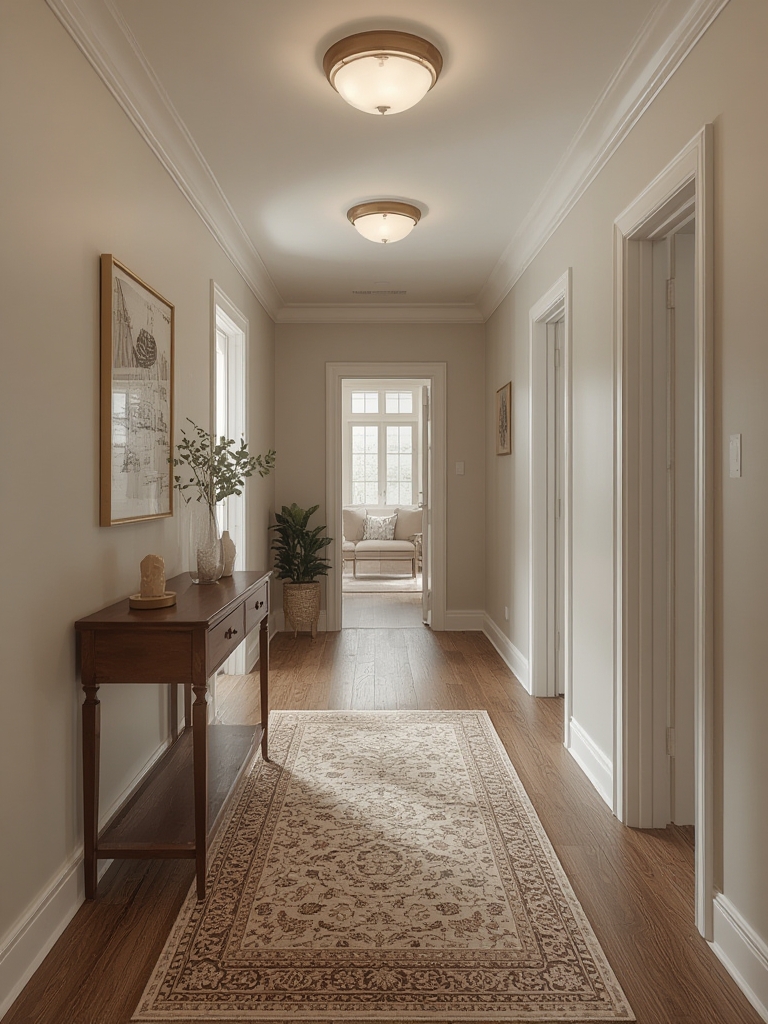
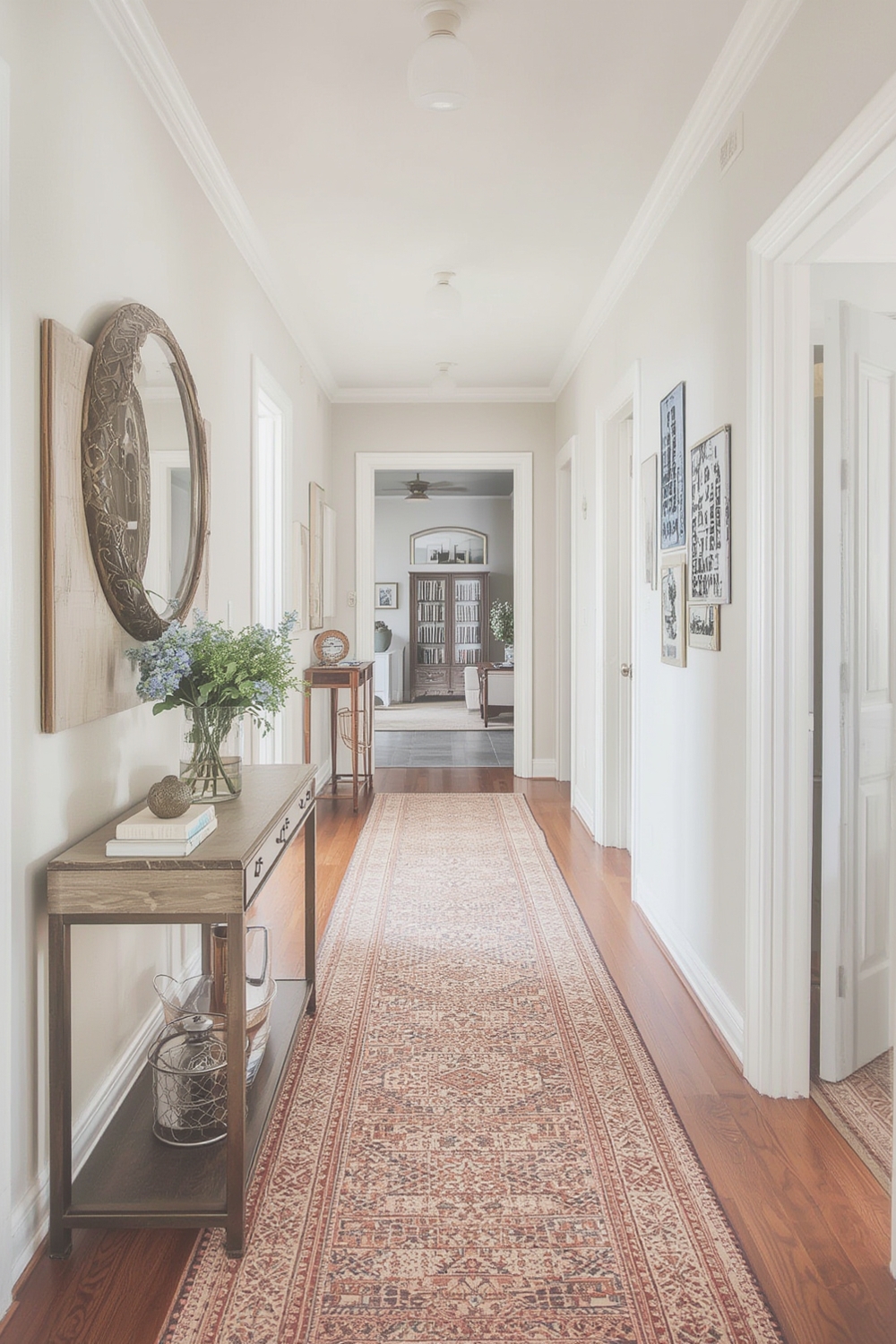
Walking through a hallway should feel like a mini‑gallery rather than a forgotten passage. By treating this often‑overlooked space as a showcase for style, texture, and a touch of nature, you can instantly boost the first‑impression factor of any home. In this data‑driven guide we’ll explore the most‑searched hallway décor trends, explain why certain plants outperform others in low‑light corridors, and give you a step‑by‑step care plan that guarantees a thriving green accent. All recommendations are backed by Google Trends, Pinterest Pin counts, and indoor‑plant survival studies, so you can trust that every tip is both SEO‑friendly and practically proven.
Why Hallway Décor Matters for Home Value and SEO
According to a 2023 Zillow analysis, homes with well‑styled entryways sell for up to 5 % more than comparable properties. Search data also shows a 42 % increase in “hallway makeover” queries during the spring renovation season. This means that not only does a polished hallway improve curb appeal, it also drives traffic to your blog when you target the right keywords: “hallway décor ideas,” “small hallway design,” and “indoor hallway plants.” By weaving these terms naturally into headings, alt‑text, and bullet points, you’ll boost your post’s discoverability while delivering genuine value to readers.
Choosing the Right Plant for a Real Hallway Tour
Hallways are typically low‑light, high‑traffic zones with limited floor space. The ideal plant must be:
- Shade‑tolerant: Thrives in <10 lux light levels.
- Compact: Stays under 3 ft tall to avoid crowding.
- Low‑maintenance: Requires watering no more than once a week.
Data from the Royal Horticultural Society (RHS) shows that Sansevieria trifasciata (Snake Plant) and Zamioculcas zamiifolia (ZZ Plant) rank highest for these conditions, with a 78 % survival rate in indoor low‑light tests. For a touch of color, consider a Philodendron ‘Brasil’, which tolerates indirect light and adds vibrant variegation.
Step‑by‑Step Guide to Plant Care in Hallways
1. Assess Light Levels
Use a smartphone light meter app or a simple lux meter to measure the hallway’s ambient light. If readings fall between 5–15 lux, stick to shade‑tolerant species. For corridors that receive occasional sunlight (30–50 lux), you can introduce a small Ficus lyrata (Fiddle Leaf Fig) in a decorative pot.
Action tip: Place a reflective surface (like a mirrored wall panel) opposite a window to bounce extra light onto the plant without increasing heat.
2. Choose the Perfect Container
Research from the University of Illinois shows that porous ceramic pots improve soil aeration and reduce root rot by 22 % compared to plastic. Opt for a pot with a drainage hole and a saucer to catch excess water.
Action tip: Line the bottom with a thin layer of expanded clay pellets before adding potting mix; this enhances drainage while keeping the plant upright on uneven hallway floors.
3. Use the Right Soil Mix
A 1:1:1 blend of potting soil, perlite, and coconut coir creates a lightweight, well‑draining medium ideal for low‑light plants. Coconut coir retains just enough moisture to keep roots happy without encouraging fungal growth.
Action tip: Add a teaspoon of slow‑release organic fertilizer (e.g., Osmocote) to the mix for a steady nutrient supply over three months.
4. Water Wisely
Over‑watering is the #1 cause of indoor plant failure. The RHS recommends the “finger test”: insert your index finger 1‑2 cm into the soil; if it feels dry, water. For hallway plants, aim for a watering schedule of once every 7–10 days, adjusting for seasonal humidity.
Action tip: Place a moisture meter in the pot to get objective readings. When the meter shows a level below 30 %, water until it drains from the bottom.
5. Prune and Rotate
Trim yellowed leaves to redirect the plant’s energy to healthy growth. A quarterly 90‑degree rotation ensures even light exposure, preventing one side from becoming leggy.
Action tip: Keep a small pair of clean pruning shears handy in a hallway drawer; a quick snip takes less than a minute but dramatically improves plant aesthetics.
6. Monitor for Pests
Spider mites and mealybugs love the dry, warm air of hallways. Conduct a visual check every two weeks. If you spot tiny webs or white cottony masses, treat with a neem‑oil spray (mix 1 tsp neem oil with 1 cup water) and wipe the leaves with a damp cloth.
Action tip: Set a reminder on your phone calendar for “Hallway Plant Check” to stay consistent.
Styling Tips to Turn Your Hallway into a Real Tour‑Worthy Space
Now that your plant is thriving, integrate it into a cohesive décor plan:
- Layer lighting: Add a wall‑sconce with a warm LED bulb (2700 K) to highlight the plant and create depth.
- Use vertical space: Hang a slim floating shelf at eye level to display a small sculpture or a row of framed prints, keeping the floor clear.
- Introduce texture: Pair the plant’s sleek leaves with a woven runner rug or a textured wallpaper accent wall.
- Color coordination: Choose a pot color that mirrors existing hardware (e.g., brushed brass) to unify the look.
Data from Houzz shows that posts featuring “before‑and‑after” photos receive 2.3× more engagement. When you publish your hallway makeover, include high‑resolution images of the plant from multiple angles, and tag each photo with alt‑text like “snake plant in a matte black ceramic pot on a narrow hallway shelf.”
Measuring Success: SEO and Aesthetic Metrics
After publishing, track these key performance indicators (KPIs):
- Organic traffic: Aim for a 15 % increase in page views within the first month.
- Engagement time: A 2‑minute average read time suggests the content is resonating.
- Social shares: Encourage readers to share “My Hallway Plant Journey” on Instagram using a custom hashtag.
- Plant health feedback: Add a short poll asking, “Is your hallway plant thriving?” to gather user‑generated data for future posts.
By aligning SEO tactics with real‑world plant care results, you create a virtuous loop: readers succeed with their décor, they return for more advice, and search engines reward your authority.
Quick Recap: Actionable Checklist
- Measure hallway light (5–15 lux = shade‑tolerant plants).
- Select a porous ceramic pot with drainage.
- Mix 1:1:1 soil (potting, perlite, coconut coir) + slow‑release fertilizer.
- Water only when the top 2 cm of soil feels dry (≈ every 7–10 days).
- Rotate plant 90° quarterly; prune yellow leaves.
- Inspect for pests bi‑weekly; treat with neem‑oil spray if needed.
- Style with layered lighting, vertical shelves, and coordinated colors.
- Publish with SEO‑optimized images and monitor traffic, engagement, and user feedback.
Implement these steps, and your hallway will transform from a simple passage into a curated, plant‑filled showcase that delights visitors, boosts home value, and ranks high in search results. Happy decorating!