
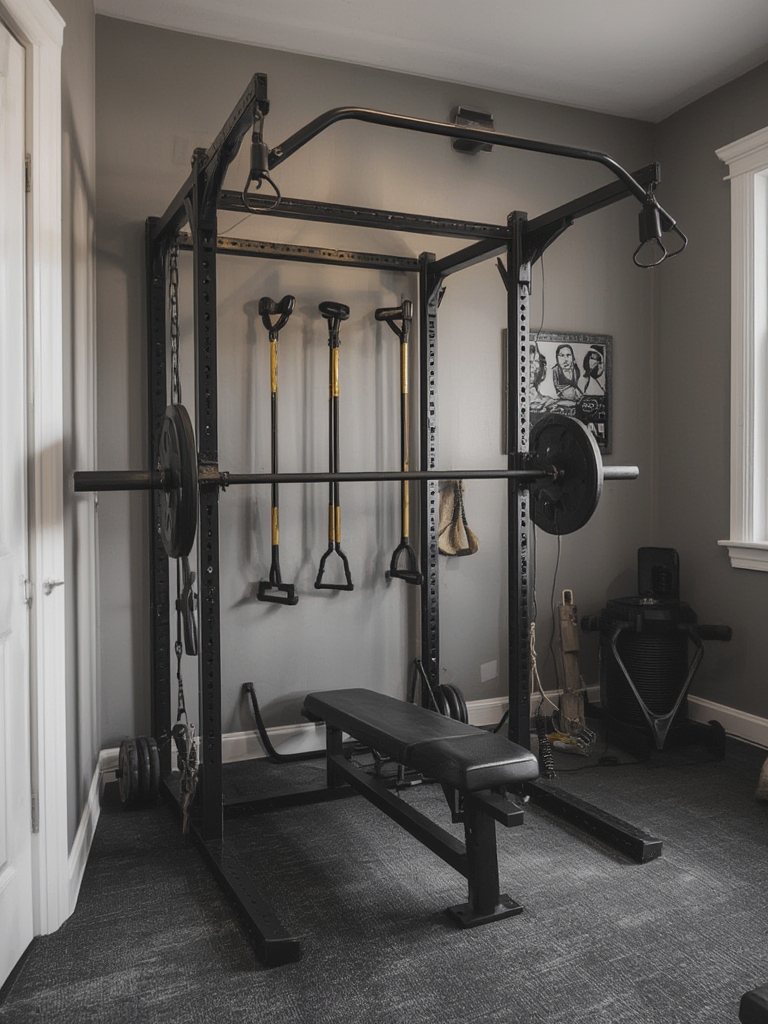
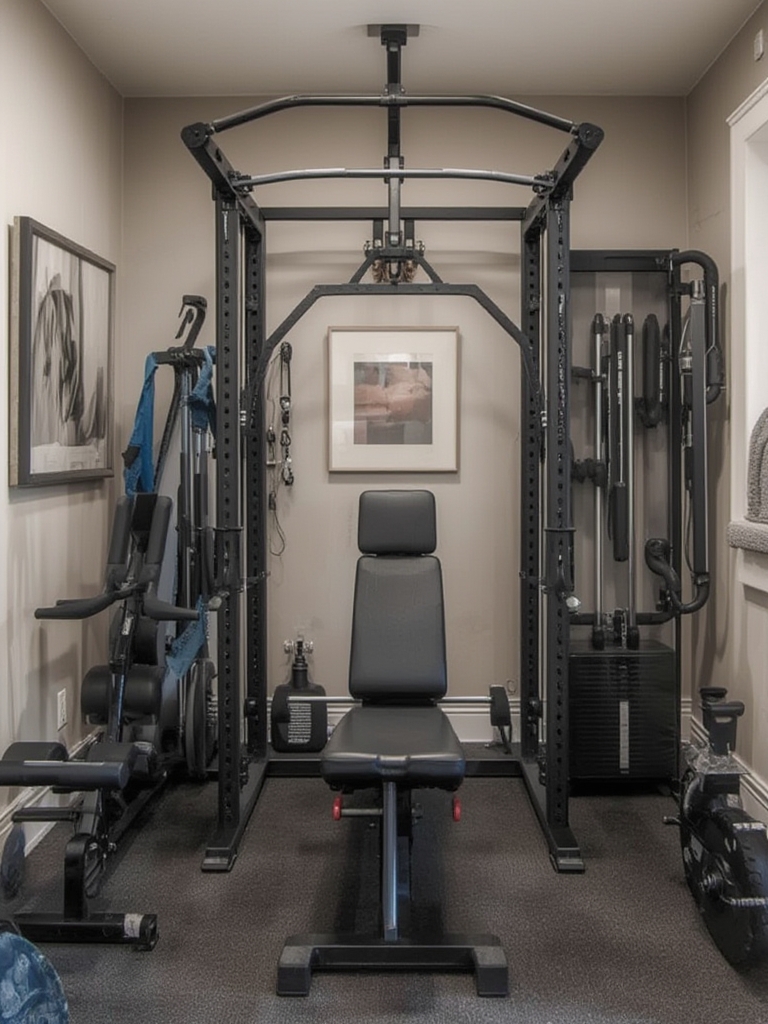
Creating a functional home gym is only half the battle; keeping it organized is what makes the space truly usable day after day. A clutter‑free workout area not only looks better, it also reduces the risk of injury, saves time, and keeps you motivated to stick to your fitness routine. Below you’ll find a data‑driven, step‑by‑step guide to storing every piece of equipment—from dumbbells to yoga mats—so you can maximize floor space, protect your gear, and maintain a sleek, professional look.
1. Assess Your Space and Equipment Inventory
Measure and Map
- Use a laser measure or a tape measure to record the length, width, and height of the room. A typical home gym averages 150–250 sq ft (source: Statista 2023).
- Sketch a simple floor plan on graph paper or a free app (e.g., RoomSketcher). Mark doors, windows, and power outlets.
- Identify high‑traffic zones (e.g., the path from the door to the cardio machine) and keep them clear.
List Every Item
- Write down each piece of equipment, its dimensions, and weight. Include dumbbells, kettlebells, resistance bands, a yoga mat, foam roller, and any larger machines.
- Rank items by frequency of use. Items used daily should be the most accessible; seasonal or occasional gear can be stored higher or farther away.
2. Choose the Right Storage Solutions
Vertical Wall Systems
Studies show that vertical storage can increase usable floor space by up to 30 %. Wall‑mounted racks, pegboards, and magnetic strips keep items off the ground and within sight.
- Dumbbell Racks: Opt for a wall‑mounted rack with adjustable slots to accommodate 5‑50 lb plates.
- Pegboard Panels: Install a 4‑ft × 8‑ft pegboard and use hooks for resistance bands, jump ropes, and small accessories.
- Magnetic Strips: Perfect for metal tools like steel kettlebell handles or metal‑capped yoga blocks.
Multi‑Functional Furniture
When space is limited, furniture that doubles as storage is a game‑changer.
- Bench with Built‑In Drawers: Store weight plates, towels, and small accessories inside the bench you’ll already be using for exercises.
- Fold‑Down Wall Desk: Use the underside for a yoga mat roll‑up or a compact treadmill that folds flat.
- Ottoman Storage: A sturdy ottoman can hide a set of kettlebells or a medicine ball while providing a seat for stretching.
Portable Solutions
For renters or those who like to reconfigure their space, portable options keep flexibility high.
- Rolling Carts: A three‑tier cart with lockable wheels can hold dumbbells, water bottles, and a speaker system. Lock the wheels when not in use.
- Stackable Bins: Clear, heavy‑duty bins with labels make it easy to locate resistance bands, foam rollers, and yoga props.
- Collapsible Storage Bags: Vacuum‑sealable bags reduce the volume of bulky items like yoga mats when not in use.
3. Implement a Zone System
Define Functional Areas
Dividing the room into zones improves workflow and reduces equipment “hunt time.” According to a 2022 survey by the American Council on Exercise, users who zone their gym report a 22 % increase in workout efficiency.
- Cardio Zone: Place the treadmill, bike, or rowing machine against a wall with a power outlet. Keep a small shelf nearby for headphones and a water bottle.
- Strength Zone: Position the dumbbell rack, kettlebell wall mount, and bench together. Use a rubber mat to protect the floor.
- Flexibility & Recovery Zone: Allocate a corner for the yoga mat, foam roller, and stretching straps. A small plant or wall art can create a calming ambiance.
Label and Light
- Install small, adhesive labels on shelves and hooks. Color‑code by zone (e.g., blue for cardio, red for strength) for quick visual cues.
- Add LED strip lighting under shelves or along the ceiling to illuminate each zone without harsh glare.
4. Protect Your Gear and Floor
Floor Protection
- Lay interlocking rubber tiles in high‑impact areas (under free weights and cardio machines). Tiles absorb shock and reduce noise by up to 40 dB.
- Use a heavy‑duty yoga mat or a foldable gym floor in the flexibility zone to protect both the equipment and the floor.
Equipment Maintenance
- Wipe down metal surfaces after each use with a microfiber cloth and a mild disinfectant to prevent rust.
- Store rubber‑coated dumbbells on a rack rather than on the floor to avoid deformation.
- Check resistance bands for wear weekly; replace any that show cracks to avoid snapping during a workout.
5. Optimize for Aesthetics and Motivation
Consistent Color Scheme
Choose a neutral base (e.g., gray or white) and add accent colors that match your personal style. A cohesive look reduces visual clutter and makes the space feel larger.
Display Inspirational Elements
- Hang a framed motivational quote on the wall opposite the cardio zone.
- Install a small shelf for trophies, fitness trackers, or a plant to bring life into the room.
- Use a Bluetooth speaker hidden behind a decorative panel for music without sacrificing storage.
6. Review and Refine Quarterly
Conduct a Quick Audit
- Every three months, spend 10 minutes walking through each zone. Note any items that are out of place or underused.
- Re‑measure any new equipment and adjust storage plans accordingly.
Iterate Based on Usage Data
If you track workouts in an app, note which equipment you use most often. Shift those items to the most accessible spots and consider moving rarely used gear to higher shelves or off‑site storage.
By following these data‑driven steps, you’ll transform a cluttered corner into a sleek, efficient home gym that encourages regular workouts and protects your investment for years to come. Happy training!
