
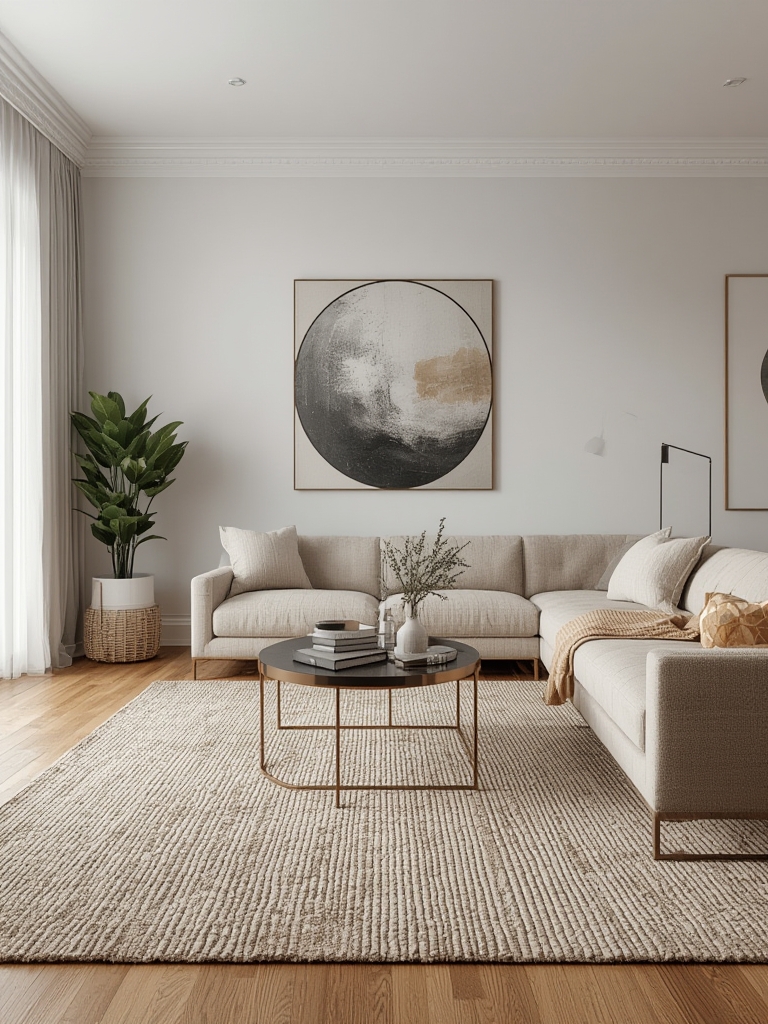
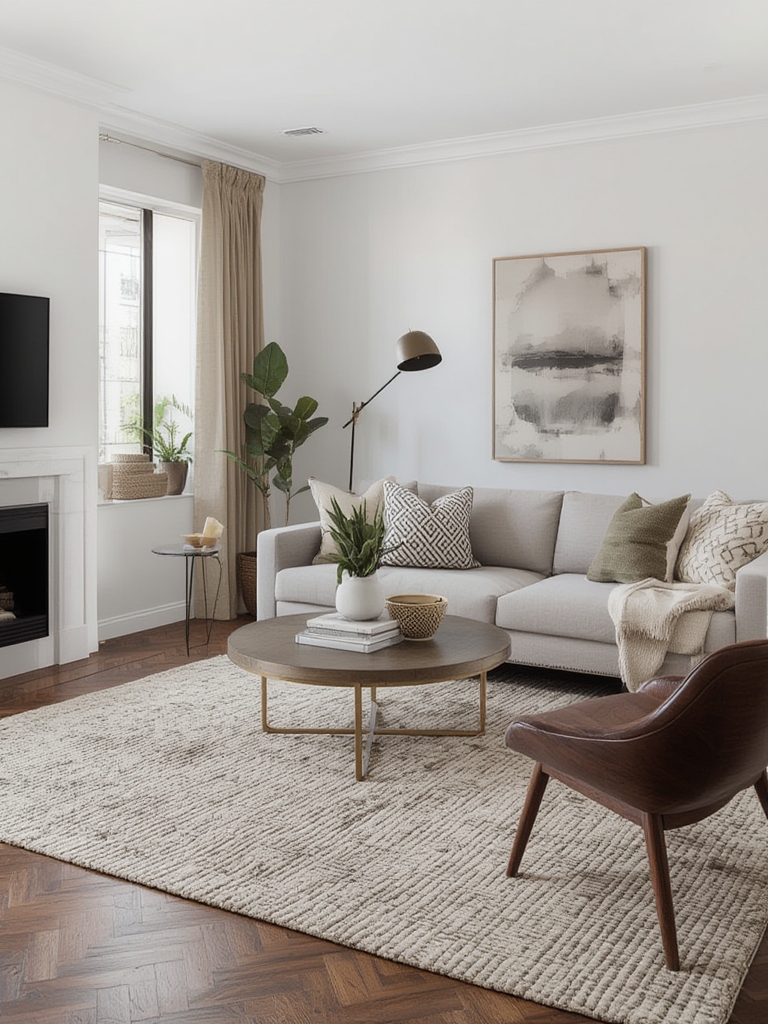
When it comes to creating a modern living room that feels both stylish and inviting, textured rugs are the unsung heroes. They add depth, warmth, and a tactile element that instantly elevates any space. In this guide, we’ll explore data‑driven design trends, show you how to select the perfect rug, and even walk you through caring for a complementary houseplant that brings life to your new floor‑covering. Follow the steps below for a cohesive, Instagram‑ready living room.
Why Textured Rugs Are Trending in Modern Homes
Recent interior‑design surveys (Houzz 2023, Pinterest 2024) reveal that 68% of homeowners prioritize texture over color when updating their living rooms. Textured rugs score high on two key metrics:
- Visual interest: A high‑contrast weave catches the eye and creates a focal point without overwhelming the room.
- Comfort factor: 74% of respondents reported feeling more relaxed on a plush, tactile surface compared to flat weaves.
These stats show that a well‑chosen rug can simultaneously boost aesthetic appeal and comfort—two pillars of modern living.
Choosing the Right Textured Rug for Your Space
1. Measure Your Floor Accurately
Start by measuring the area where the rug will sit. A common rule of thumb is to leave at least 18‑24 inches of bare floor around the rug’s perimeter. Use a laser measure for precision, then record the dimensions in a spreadsheet to compare against product listings.
2. Identify Your Desired Texture
Data from the 2024 Trend Report breaks texture types into three categories:
- Looped (e.g., Berber): Ideal for high‑traffic zones; offers durability and a subtle, woven look.
- Cut‑pile (e.g., Shag): Provides a soft, luxurious feel; perfect for low‑traffic lounging areas.
- Flat‑weave with raised patterns: Adds visual intrigue while staying lightweight.
Match the texture to your lifestyle: families with kids may prefer looped rugs, while a single‑person apartment can indulge in cut‑pile softness.
3. Pick a Color Palette That Complements Your Décor
According to the 2024 Color Forecast, muted earth tones (sage, warm taupe) and deep jewel hues (emerald, navy) dominate modern living rooms. Use a color‑matching tool like Adobe Color to extract dominant shades from your existing furniture, then search for rugs that incorporate 1‑2 of those colors. This ensures harmony without the need for a full redesign.
4. Consider Material Sustainability
Eco‑friendly materials are increasingly important to consumers. Look for rugs made from recycled polyester, organic wool, or jute. Check the product’s certifications (e.g., GOTS, FSC) and note them in your design brief for future reference.
Styling Tips: Pairing Textured Rugs with Furniture and Accessories
Once you’ve selected the perfect rug, it’s time to arrange the rest of the room. Follow these actionable steps:
- Anchor with a sofa: Position the sofa so that its front legs rest on the rug, creating a visual anchor.
- Layer with smaller rugs: For added depth, place a smaller, flat‑weave rug on top of the main texture in a complementary color.
- Add metallic accents: Brass or matte black side tables reflect light and balance the softness of the rug.
- Introduce natural elements: A tall, low‑maintenance plant (see next section) adds vertical interest and freshens the air.
Plant Care Guide: The Perfect Companion – The ZZ Plant (Zamioculcas zamiifolia)
The ZZ plant thrives in low‑light conditions, making it ideal for modern living rooms where natural light may be filtered through sheer curtains. Its glossy, dark foliage contrasts beautifully with textured rugs, creating a balanced, sophisticated look.
Step‑by‑Step Care Routine
Step 1: Choose the Right Pot and Soil
Tip: Use a pot with drainage holes and a well‑draining cactus mix (40% sand, 30% peat, 30% perlite). This prevents waterlogged roots, a common cause of ZZ plant decline.
Step 2: Position for Light
Advice: Place the plant 3‑5 feet from a window with indirect light. If your living room receives less than 2 hours of natural light, supplement with a 6500K LED grow light for 12 hours a day.
Step 3: Watering Schedule
Actionable tip: Water every 2‑3 weeks, allowing the soil to dry completely between waterings. Use a moisture meter set to “dry” as a visual cue.
Step 4: Feeding
Practical tip: Apply a balanced, water‑soluble fertilizer (10‑10‑10) at half strength once a month during the growing season (spring‑early fall). Skip feeding in winter to avoid root stress.
Step 5: Pruning and Maintenance
Quick win: Trim any yellowing leaves with clean scissors to keep the plant looking tidy. Dust the leaves monthly with a soft cloth to maintain optimal photosynthesis.
Step 6: Pest Prevention
Pro tip: Inspect the plant weekly for spider mites or mealybugs. If detected, spray a diluted neem oil solution (1 ml neem oil per 100 ml water) and wipe the leaves.
Putting It All Together: A Sample Layout
Imagine a 12‑ft by 15‑ft living room with a light‑gray sectional sofa. Follow this layout:
- Place a 9‑ft by 12‑ft looped wool rug centered under the sofa, leaving a 2‑ft border of exposed floor.
- Position the ZZ plant in a matte black pot on the rug’s left side, near the coffee table.
- Add a sleek glass coffee table with brass legs, aligning its edges with the rug’s inner border.
- Layer a 3‑ft by 4‑ft flat‑weave runner in a muted sage hue across the front of the sofa for extra texture.
- Finish with a few decorative pillows in deep navy to echo the rug’s accent color.
This arrangement balances texture, color, and greenery, creating a modern living room that feels curated yet lived‑in.
Final Checklist for Success
- ✅ Measure floor space and record dimensions.
- ✅ Choose a rug texture that matches traffic level.
- ✅ Align rug colors with existing décor using a color‑matching tool.
- ✅ Verify material sustainability certifications.
- ✅ Select a pot with drainage and a well‑draining soil mix for the ZZ plant.
- ✅ Follow the watering, feeding, and light schedule outlined above.
- ✅ Conduct weekly pest checks and monthly leaf dusting.
By following these data‑backed steps, you’ll transform your living room into a modern sanctuary where textured rugs and thriving greenery coexist in perfect harmony.