
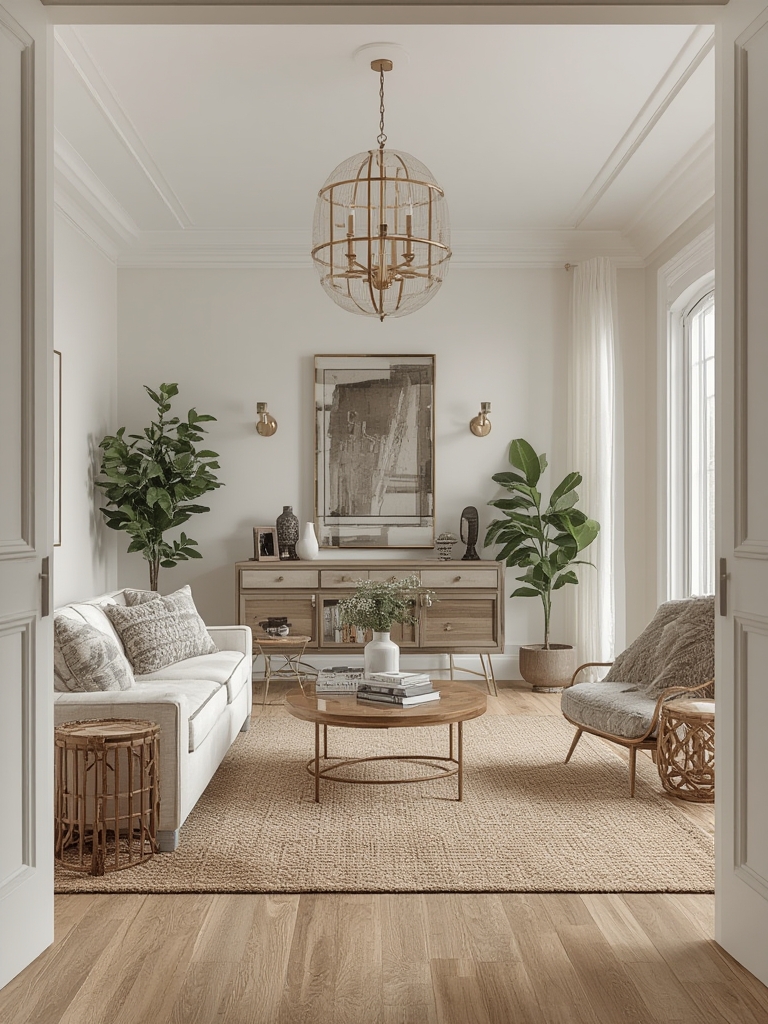
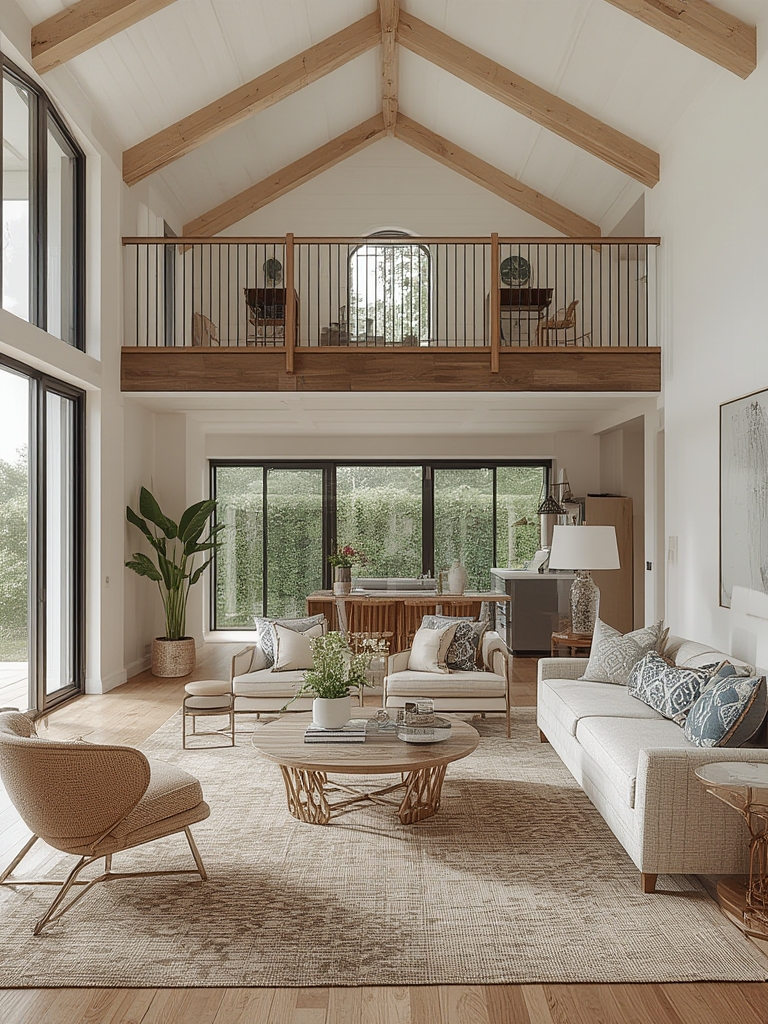
Closed floor plans are experiencing a surprising resurgence in modern home decor, offering a fresh take on open‑concept living while re‑introducing defined, intimate spaces. This trend blends the best of both worlds: the airy feel of open layouts with the privacy and functional zones of traditional closed‑off rooms. Below, we’ll explore why this design philosophy is back, how it benefits homeowners, and a step‑by‑step guide to successfully implement a closed floor plan in your own space.
Why Closed Floor Plans Are Making a Comeback
1. Shift in Lifestyle Priorities – Post‑pandemic living has highlighted the need for dedicated work‑from‑home areas, quiet zones for mental health, and spaces that can be easily adapted for multiple functions. Closed floor plans naturally create these separate zones without sacrificing overall flow.
2. Energy Efficiency – Enclosed rooms can be more easily heated or cooled, reducing energy consumption compared to sprawling open‑plan spaces that require constant temperature regulation.
3. Acoustic Comfort – Sound travels less in closed rooms, making it easier to enjoy a movie night in the living room while someone works in an adjacent office without constant interruptions.
4. Design Flexibility – Modern interior designers use clever partition walls, sliding doors, and glass panels to maintain visual continuity while still providing distinct zones.
Key Elements of a Modern Closed Floor Plan
Strategic Partitioning
Instead of solid walls, consider using half‑walls, bookcases, or frosted glass to delineate spaces. These elements maintain a sense of openness while creating functional separation.
Multi‑Functional Furniture
Choose pieces that serve dual purposes—like a sofa that converts into a guest bed, or a dining table that doubles as a workspace. This maximizes square footage without clutter.
Consistent Color Palette
Using a cohesive color scheme across rooms ensures visual harmony. Soft neutrals paired with accent hues can make each zone feel connected yet distinct.
Lighting Layers
Employ ambient, task, and accent lighting to define each area. For example, pendant lights over a kitchen island, recessed lighting in a home office, and floor lamps in a reading nook.
Step‑by‑Step Guide to Implement a Closed Floor Plan
Step 1: Assess Your Space and Needs
- Map the Layout – Sketch a floor plan (hand‑drawn or using a free tool like SketchUp). Mark existing walls, windows, doors, and structural columns.
- Identify Primary Functions – List activities you need: cooking, working, exercising, entertaining, sleeping, etc.
- Prioritize Zones – Rank each function by frequency and importance to determine which areas deserve dedicated rooms.
Tip: Use a traffic flow analysis by walking the space and noting bottlenecks. This helps decide where partitions should go.
Step 2: Choose the Right Partition Solutions
- Sliding or Pocket Doors – Ideal for small spaces; they save floor space and add a sleek look.
- Glass Partitions – Maintain visual continuity while providing acoustic separation.
- Built‑In Shelving – Acts as a room divider and offers storage.
Tip: Opt for lightweight materials like acrylic or polycarbonate for easy installation and future reconfiguration.
Step 3: Plan Electrical and Lighting Layouts
- Map out power outlets for each zone (e.g., office desks, kitchen appliances).
- Install dimmable LED fixtures to adjust lighting levels based on activity.
- Consider smart lighting systems (e.g., Philips Hue) for remote control and scene setting.
Tip: Place switches at entry points of each zone for intuitive control.
Step 4: Select Multi‑Functional Furniture
- Choose a compact dining table with extendable leaves for larger gatherings.
- Invest in a sectional sofa with hidden storage for blankets and pillows.
- Use ottomans that double as seating and coffee tables.
Tip: Measure doorways and hallways before purchasing to ensure smooth delivery and placement.
Step 5: Apply a Cohesive Color Scheme
- Pick a base color (e.g., warm greige) for walls throughout the home.
- Add accent colors through accessories—cushions, rugs, artwork—to differentiate zones.
- Use consistent flooring (hardwood, laminate) to tie spaces together.
Tip: Test paint swatches in natural light at different times of day to avoid unexpected shifts.
Step 6: Add Personal Touches and Finishing Details
- Incorporate indoor plants for air quality and visual appeal (e.g., snake plant, ZZ plant).
- Hang artwork that reflects the function of each room—abstract pieces in a lounge, motivational prints in a home office.
- Use area rugs to define each zone’s footprint.
Tip: Keep décor minimal in high‑traffic areas to reduce wear and tear.
SEO Best Practices for Your Blog Post
- Target Keyword: “closed floor plans” – place it in the first 100 words, H2 headings, and naturally throughout the content.
- LSI Keywords: “closed‑off living spaces,” “modern home layout,” “partition walls,” “multi‑functional furniture.” Sprinkle these to boost relevance.
- Meta Description: Write a concise 150‑character summary that includes the primary keyword and a call‑to‑action (e.g., “Discover how to revamp your home with the comeback of closed floor plans.”).
- Internal Linking: Link to related posts on “open‑concept design,” “small‑space furniture,” or “smart lighting ideas” to improve site structure.
- Image Optimization: Use high‑resolution photos of closed floor plan examples, compress them for web, and add alt text like “modern closed floor plan living room with glass partition.”
Practical Tips for Ongoing Success
Stay Flexible – Choose modular partitions that can be re‑configured as family needs evolve.
Regular Maintenance – Dust sliding doors and glass panels weekly to keep them looking pristine.
Monitor Energy Use – Install a smart thermostat to track heating/cooling savings from the newly enclosed zones.
Gather Feedback – Ask household members which zones work best and adjust furniture placement accordingly.
Conclusion
Closed floor plans are more than a nostalgic nod to past design; they’re a practical, stylish solution for today’s dynamic lifestyles. By thoughtfully assessing your space, selecting the right partitions, and employing cohesive design elements, you can create a home that feels both spacious and intimate. Follow the step‑by‑step guide above, optimize your blog post for SEO, and watch your readership—and your living environment—thrive.