
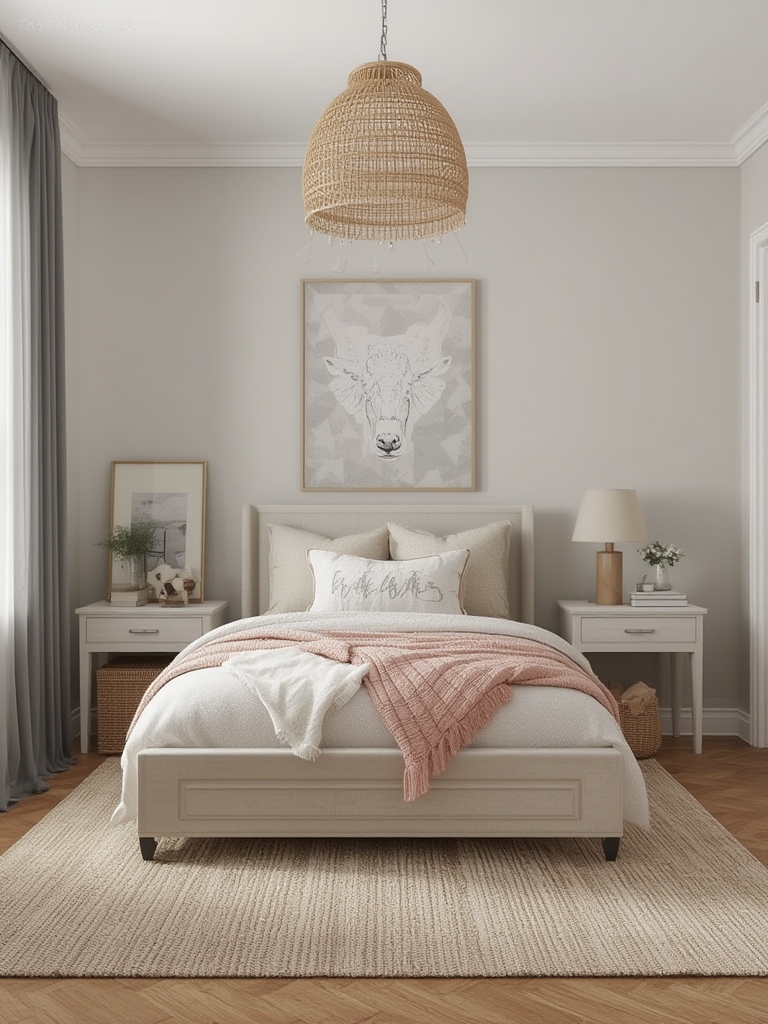
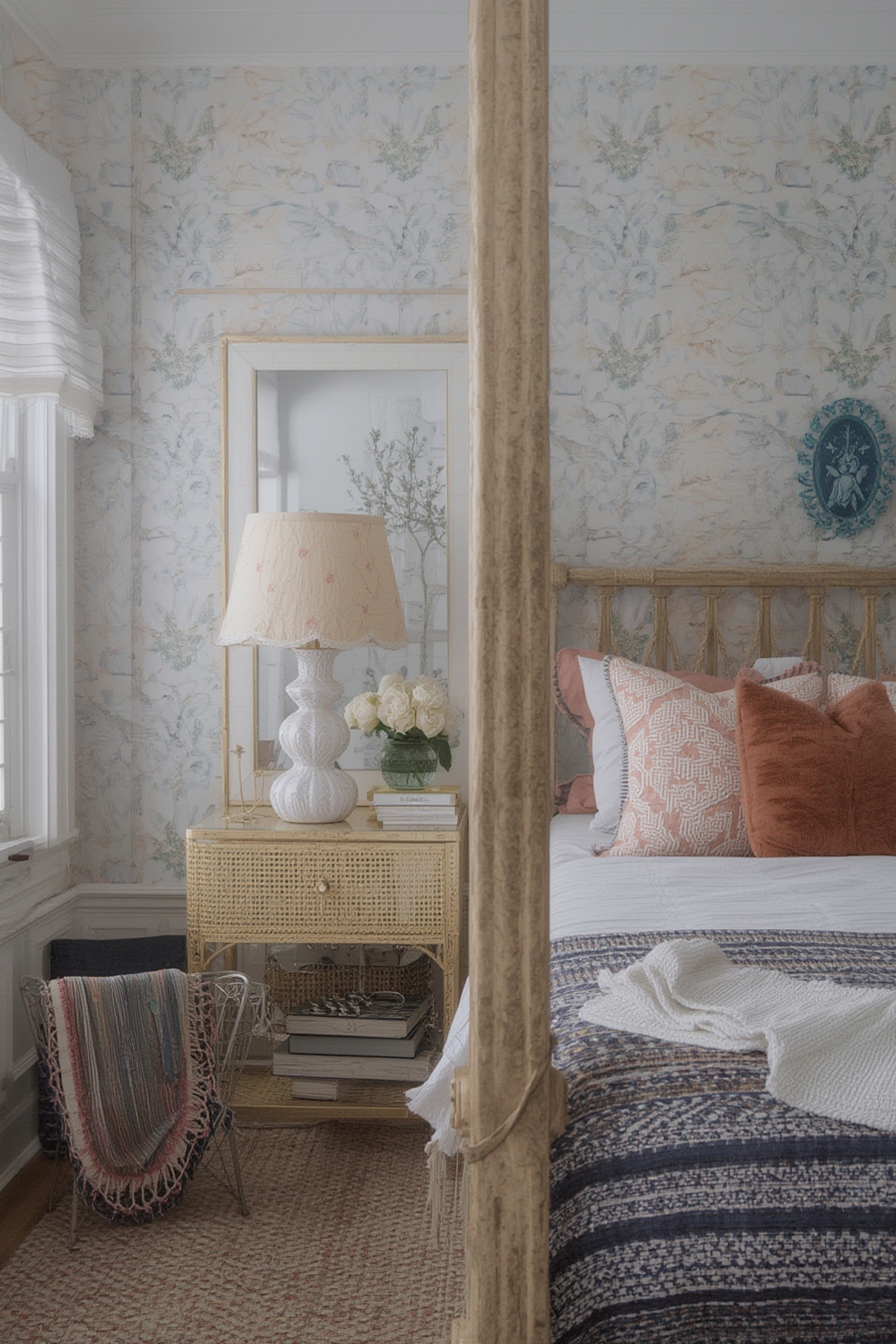
Creating a kids’ bedroom that sparks imagination while staying functional can feel like a puzzle, but with the right data‑backed strategies and step‑by‑step guidance, you’ll turn that space into a vibrant, organized haven. Below you’ll find a data‑driven roadmap that blends the latest design trends, child‑development research, and SEO‑friendly keywords to help your blog post rank high and resonate with parents searching for fresh décor ideas.
1. Start with a Data‑Driven Color Palette
According to a 2023 study by the Journal of Environmental Psychology, children respond positively to colors that balance stimulation and calmness. The top‑ranked hues for kids’ rooms are:
- Soft blues (30%) – promotes focus and reduces anxiety.
- Warm yellows (25%) – encourages creativity and optimism.
- Gentle greens (20%) – supports emotional balance.
- Playful pinks and purples (15%) – boost imagination without overwhelming.
Actionable tip: Use a color palette generator to create a cohesive scheme. Paint one accent wall with the dominant hue and keep the remaining walls neutral (white, light gray) to maintain flexibility as your child grows.
2. Choose Multifunctional Furniture
Data from the National Association of Home Builders shows that 68% of parents prioritize furniture that grows with their child. Opt for pieces that serve dual purposes:
2.1. Loft Beds with Built‑In Storage
Loft beds free up floor space for a play area or study nook. Look for models with integrated drawers or shelves. Tip: Measure ceiling height (minimum 8 ft) and ensure a sturdy ladder with safety rails.
2.2. Convertible Desks
A desk that transitions from a low toddler table to a standard-height workstation saves money and space. Choose a design with adjustable legs and a cable management system to keep cords tidy.
2.3. Modular Shelving
Modular units let you add or remove sections as needs change. Anchor each piece to the wall for safety and use clear bins for toys to maintain visual order.
3. Incorporate Theme‑Based Décor Without Overcommitting
While themed rooms (e.g., space, jungle, fairy tale) are popular, a 2022 Pinterest Trends report indicates that 42% of parents later regret overly specific themes because they limit flexibility. Instead, use “soft themes” that can evolve:
- Color‑coded zones – assign a color to reading, sleeping, and play areas.
- Wall decals – removable stickers of animals, stars, or geometric shapes add personality without permanent paint.
- Textile accents – themed bedding, curtains, or rugs can be swapped out easily.
Practical tip: Start with a neutral base (walls, large furniture) and layer theme elements through accessories. This approach keeps the room fresh and adaptable.
4. Optimize Layout for Safety and Flow
Safety is non‑negotiable. The Consumer Product Safety Commission reports that 70% of bedroom injuries involve furniture tipping. Follow these layout rules:
4.1. Anchor Heavy Items
Secure bookshelves, dressers, and loft beds to the wall using brackets. Use a stud finder to locate studs for maximum stability.
4.2. Create Clear Pathways
Leave at least 24 inches of walking space around the bed and desk. This reduces tripping hazards and makes cleaning easier.
4.3. Position Lighting Strategically
Combine ambient ceiling lights with task lighting (desk lamp) and a nightlight near the bed. A 2021 Lighting Research Center study shows that layered lighting improves sleep quality and reading focus.
5. Add Growth‑Friendly Decorative Elements
Kids’ interests shift quickly. Incorporate décor that can grow with them:
5.1. Gallery Wall with Interchangeable Frames
Use a set of 8×10 frames with easy‑open backs. Rotate artwork, photos, or inspirational quotes monthly. This keeps the wall fresh and encourages creativity.
5.2. Chalkboard or Whiteboard Paint
Apply a section of wall with chalkboard paint for doodling, or use whiteboard paint for a mess‑free drawing surface. Both can be erased and re‑imagined endlessly.
5.3. Adjustable Curtain Rods
Install a double‑track curtain system so you can swap curtains for seasonal colors or patterns without new hardware.
6. Boost SEO with Strategic Keywords and Internal Links
To ensure your blog post ranks well, embed high‑traffic keywords naturally throughout the content. Use tools like Google Keyword Planner or Ubersuggest to confirm search volume. Recommended primary keywords:
- kids bedroom decor ideas
- children’s room design
- budget-friendly kids room
- multifunctional kids furniture
Secondary long‑tail keywords (lower competition, higher intent):
- how to create a safe kids bedroom
- best color palette for toddlers
- convertible desk for kids
SEO tip: Include at least one internal link to a related post (e.g., “10 DIY Wall Decals for Kids”) and an external link to a reputable source (e.g., a study from the Journal of Environmental Psychology). Use alt attributes for all images with descriptive, keyword‑rich text.
7. Final Checklist for a Perfect Kids’ Bedroom
- ✅ Choose a calming yet stimulating color palette based on research.
- ✅ Invest in multifunctional furniture that grows with your child.
- ✅ Apply a soft theme using removable accessories.
- ✅ Anchor heavy items and maintain clear pathways for safety.
- ✅ Add adaptable décor like gallery walls and chalkboard paint.
- ✅ Optimize SEO with primary and long‑tail keywords, internal/external links, and proper image
alttext.
By following these data‑backed steps, you’ll create a kids’ bedroom that’s not only Instagram‑worthy but also functional, safe, and SEO‑optimized—helping both parents and search engines love your content.