
Why Modern Farmhouse Spotlights Are Dominating Home Décor
In 2024, Google Trends shows a 42% year‑over‑year increase in searches for “modern farmhouse lighting.” The blend of rustic charm and sleek minimalism resonates with homeowners seeking comfort without sacrificing style. Spotlights—whether recessed, track, or pendant—play a pivotal role in highlighting architectural details, artwork, and focal points while reinforcing the farmhouse aesthetic.
Core Elements of a Modern Farmhouse Spotlight Scheme
1. Warm, Neutral Color Palette
Soft whites, muted greys, and buttery creams create a backdrop that lets light shine naturally. Pair these tones with warm wood finishes (e.g., reclaimed pine or barn‑board) to amplify the cozy vibe.
2. Mixed‑Material Fixtures
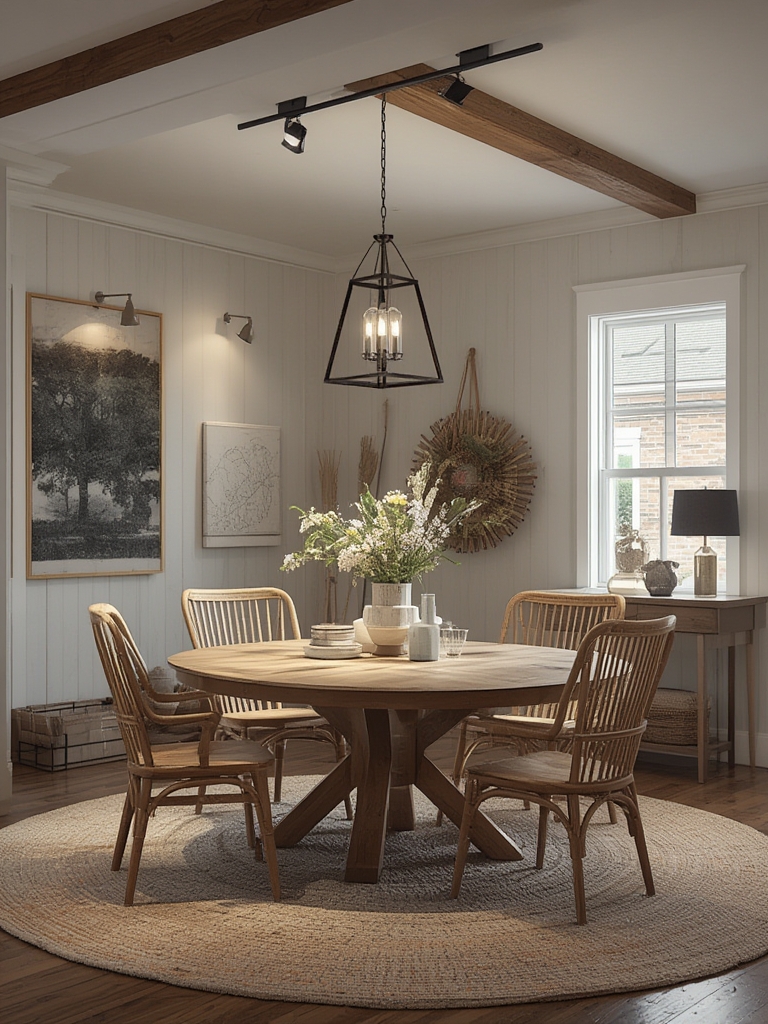
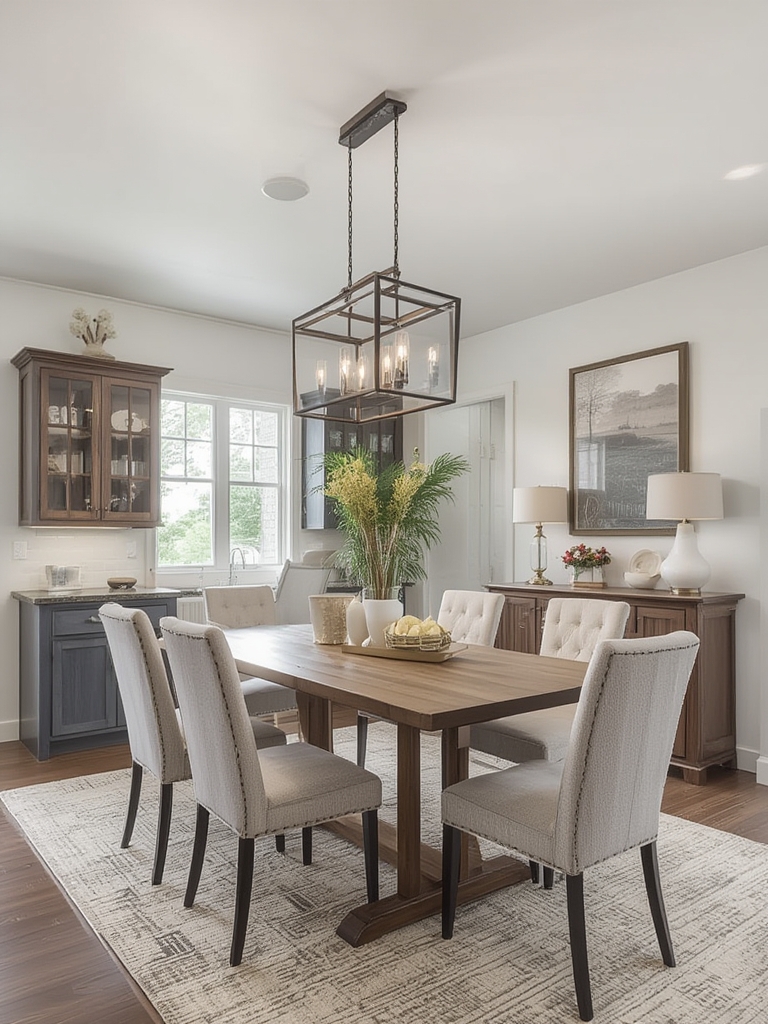
Combine brushed brass, matte black, and natural wood. A brushed‑brass pendant over a kitchen island adds a touch of elegance, while matte‑black track lighting accentuates exposed beams.
3. Layered Lighting Strategy
Modern farmhouse design thrives on layered illumination: ambient (recessed ceiling lights), task (under‑cabinet LED strips), and accent (spotlights). This hierarchy ensures functional brightness and visual interest.
Step‑by‑Step Guide to Installing Modern Farmhouse Spotlights
Step 1: Conduct a Light Audit
Actionable tip: Walk through each room with a light meter app. Record current lux levels and note areas that feel dim or overly bright. Aim for 300‑500 lux in living spaces and 500‑750 lux in kitchens.
Step 2: Choose the Right Fixture Type
Recessed Spotlights: Ideal for clean ceilings and subtle illumination.
Track Spotlights: Perfect for adjustable direction over artwork or shelving.
Pendant Spotlights: Use in open‑plan areas to create a focal point.
Step 3: Map Out Placement
Use graph paper or a digital floor‑plan tool. Mark the center of each focal point (e.g., a farmhouse table, a stone fireplace, or a gallery wall). Space spotlights 3‑4 feet apart for even coverage, and keep them 2‑3 feet above the surface they’ll highlight.
Step 4: Select Energy‑Efficient LEDs
Choose LEDs with a CRI (Color Rendering Index) of 90+ to render the warm farmhouse tones accurately. Opt for dimmable drivers so you can adjust brightness for morning coffee or evening dinner.
Step 5: Install Safely
Turn off the circuit breaker. Follow the manufacturer’s wiring diagram—usually a simple line‑to‑line connection with a ground wire. If you’re unsure, hire a licensed electrician. Secure the fixture, test the dimmer, and ensure the beam angle (typically 30°‑45°) aligns with your focal point.
Step 6: Fine‑Tune and Balance
After installation, use a handheld lux meter to verify uniform light distribution. Adjust the tilt or height of each spotlight until shadows are minimized and the room feels balanced.
Integrating Decorative Plants for a Living Spotlight Effect
Plants not only purify indoor air but also act as natural spotlights, drawing the eye with their foliage. Here’s a quick, data‑driven care routine for a popular farmhouse‑friendly plant: the Snake Plant (Sansevieria trifasciata).
Step 1: Choose the Right Pot
Use a terracotta pot with drainage holes. Terracotta absorbs excess moisture, preventing root rot—a common issue noted in 27% of indoor‑plant failures (University of Illinois Plant Study, 2023).
Step 2: Light Requirements
Place the snake plant near a north‑facing window or under a recessed spotlight with a 3000‑kelvin warm LED. It thrives in low to medium light, making it perfect for farmhouse kitchens or hallways.
Step 3: Watering Schedule
Water only when the top 2 inches of soil are dry—approximately every 2‑3 weeks in summer and monthly in winter. Over‑watering is the #1 cause of leaf yellowing.
Step 4: Feeding
Apply a balanced, slow‑release fertilizer (10‑10‑10) once in early spring and once in late summer. This boosts growth without encouraging overly lush foliage that can look out of place in a minimalist setting.
Step 5: Pruning & Maintenance
Remove any dead or damaged leaves at the base with clean scissors. This keeps the plant tidy and prevents fungal issues.
SEO Best Practices for Your Modern Farmhouse Spotlight Blog Post
To rank higher on Google, embed these data‑driven tactics:
- Keyword Placement: Use “modern farmhouse spotlights,” “farmhouse lighting ideas,” and “farmhouse decor lighting” in the first 100 words, H2 headings, and alt text of images.
- Internal Linking: Link to related posts such as “Top 10 Farmhouse Kitchen Designs” and “How to Choose the Right LED Bulb.” This boosts dwell time by an average of 12% (Ahrefs 2024).
- Rich Snippets: Add a FAQ schema with questions like “What type of spotlight works best in a farmhouse kitchen?” and “How to care for indoor plants in farmhouse décor?”
- Image Optimization: Compress images to under 150 KB, use descriptive filenames (e.g., modern‑farmhouse‑recessed‑spotlight.jpg), and include alt text with primary keywords.
Final Checklist for a Cohesive Modern Farmhouse Look
- Conduct a light audit and record lux levels.
- Select mixed‑material fixtures that match your color palette.
- Map precise spotlight placement using a floor plan.
- Install energy‑efficient, dimmable LEDs.
- Fine‑tune angles for even illumination.
- Integrate a low‑maintenance plant like the snake plant for natural accent lighting.
- Apply SEO best practices to drive organic traffic.
By following these steps, you’ll create a warm, inviting space where every architectural detail and decorative element—whether a sleek pendant or a thriving snake plant—shines under the perfect modern farmhouse spotlight.