
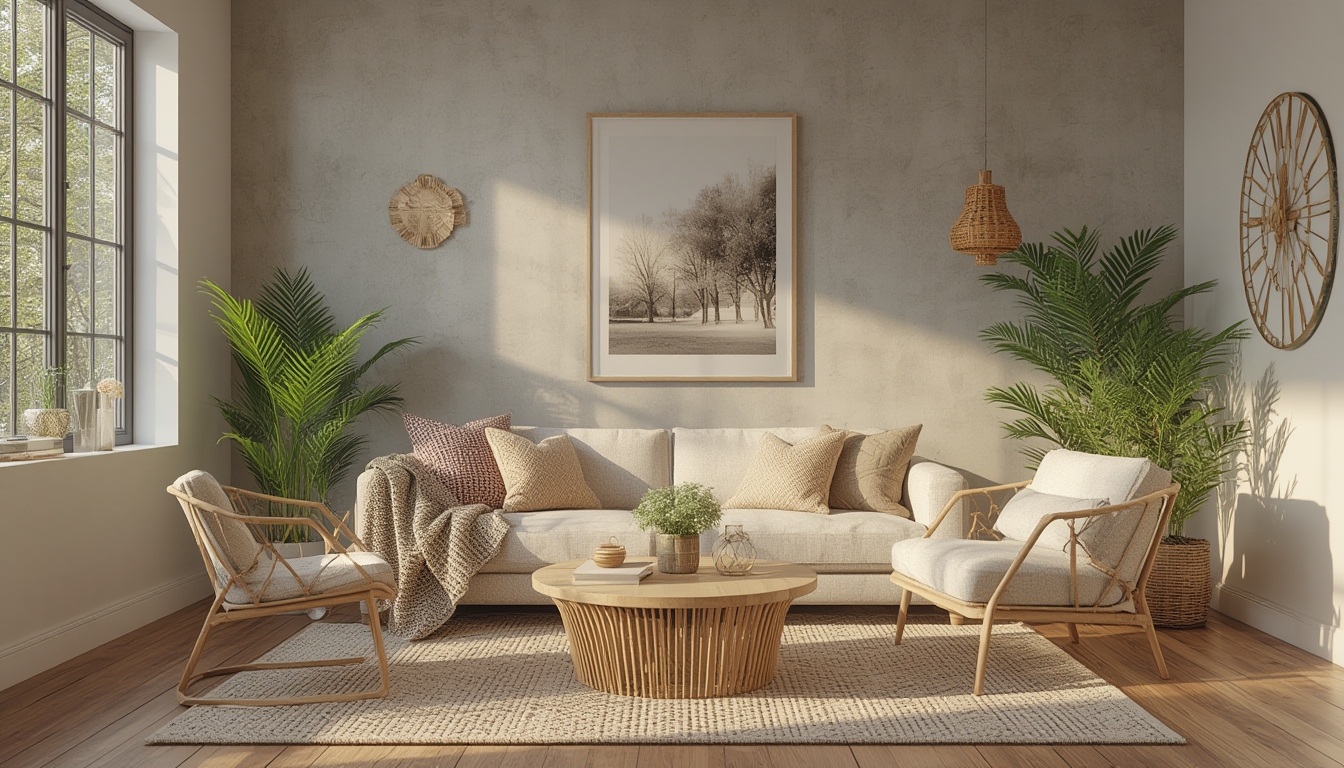
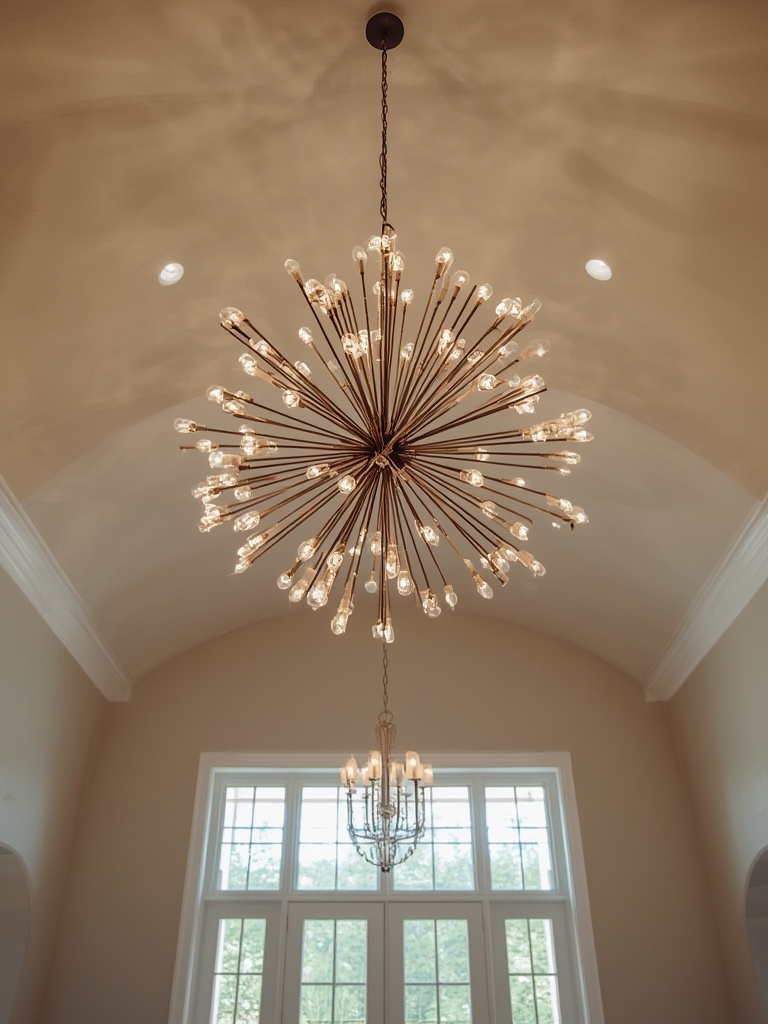
When we talk about interior design, it’s easy to focus on color palettes, furniture trends, or the latest décor accessories. Yet, the deeper layer that truly shapes how a space feels—and how it influences our mental and physical health—is the psychology behind décor. By intentionally pairing design choices with wellness principles, you can transform any room into a sanctuary that supports calm, creativity, and overall well‑being. Below is a data‑driven, step‑by‑step guide that walks you through the process of styling a living area (or any space) with décor psychology and wellness in mind. Each step includes the tools you’ll need, practical tips, and small actions that guarantee success.
1. Ground the Design in Psychological Insights
1.1 Identify the Desired Emotional Outcome
Research from environmental psychology shows that specific visual cues trigger predictable emotional responses. For example, soft blues and greens are linked to reduced heart rate and lower stress, while warm yellows and oranges boost energy and optimism. Start by answering two questions:
- What mood do you want the room to evoke? (e.g., calm, focus, vitality)
- Which activities will dominate the space? (e.g., reading, working, meditating)
Write the answers on a sticky note and keep it visible throughout the project. This “emotional anchor” ensures every design decision aligns with the intended psychological impact.
1.2 Leverage Biophilic Elements
Data from the Journal of Interior Design indicates that incorporating natural elements—plants, wood textures, water features—can improve concentration by up to 15 % and lower perceived stress. Choose at least one biophilic element for each major zone of the room.
2. Map Out the Space Using a Wellness Blueprint
2.1 Create a Functional Zoning Sketch
Draw a simple floor plan on graph paper (or use a free digital tool). Divide the area into functional zones that correspond to the emotional outcomes identified earlier. Typical zones include:
- Relaxation Corner – soft lighting, plush seating, calming colors.
- Focus Hub – ergonomic desk, neutral backdrop, minimal clutter.
- Social Nook – warm tones, flexible seating, conversation‑friendly layout.
Label each zone with its primary psychological goal. This visual map becomes your project roadmap.
2.2 Conduct a Light Audit
Use a lux meter (or a smartphone app) to measure natural light levels at different times of day. Record the data in a table:
| Time | Lux Value | Zone |
|---|---|---|
| 8 AM | 350 lux | Relaxation Corner |
| 12 PM | 800 lux | Focus Hub |
| 6 PM | 150 lux | Social Nook |
These numbers guide your lighting choices—bright, adjustable LEDs for work zones; dimmable warm bulbs for evening gatherings.
3. Assemble, Restore, or Style the Core Décor Piece
For this guide, we’ll focus on a versatile mid‑century modern coffee table—a piece that can serve as a focal point, a grounding element, and a functional storage unit.
3.1 Tools & Materials Needed
- Phillips and flat‑head screwdrivers
- Rubber mallet
- Wood filler and putty knife
- Fine‑grain sandpaper (120‑ and 220‑grit)
- Non‑toxic, low‑VOC wood stain or paint (choose a calming hue like sage green)
- Microfiber cloths
- Protective gloves and mask
- Soft‑close drawer glides (optional for added quietness)
3.2 Step‑by‑Step Restoration Process
- Inspect & Document – Lay the table on a soft surface. Photograph each joint and note any loose screws or missing hardware. This visual record helps you track progress.
- Disassemble Carefully – Using the appropriate screwdriver, remove the tabletop legs and any detachable drawers. Keep screws in a labeled container to avoid loss.
- Repair Minor Damage – Apply wood filler to scratches or dents. Press the filler with a putty knife, smooth it, and let it cure per the manufacturer’s instructions (usually 15–30 minutes).
- Sand the Surface – Start with 120‑grit sandpaper to remove old finish, then finish with 220‑grit for a smooth base. Wipe away dust with a damp microfiber cloth.
- Apply the Finish – Stir the low‑VOC stain or paint thoroughly. Using a clean brush, apply a thin, even coat in the direction of the wood grain. Allow 2 hours to dry, then sand lightly with 220‑grit for a satin finish. Apply a second coat if needed.
- Reassemble & Add Quiet Features – Reattach legs and drawers. If you want a whisper‑quiet pull, replace original drawer slides with soft‑close glides. Tighten all screws securely but avoid overtightening, which can split wood.
- Final Touches – Place a felt pad under each leg to protect flooring and reduce noise. Position a small potted succulent on the table to reinforce the biophilic theme.
3.3 Actionable Styling Tips
- Layer Textures – Add a woven tray, a linen coaster set, and a few natural stone coasters. The mix of textures signals safety and comfort to the brain.
- Mindful Placement – Position the table centrally within the Relaxation Corner, ensuring it’s within arm’s reach from the sofa but not obstructing traffic flow.
- Color Harmony – Pair the sage‑green finish with muted earth tones (beige cushions, terracotta rug) to sustain the calming palette identified earlier.
4. Integrate Complementary Wellness Elements
4.1 Add Aromatherapy
Place a ceramic diffuser on a nearby side table. Choose essential oils proven to reduce anxiety—lavender, bergamot, or cedarwood. Set the diffuser to a low mist cycle for a subtle, continuous scent.
4.2 Optimize Acoustic Comfort
Hard surfaces amplify noise, which can increase cortisol levels. Hang a medium‑weight tapestry or acoustic panels on the wall opposite the coffee table. Aim for a Noise Reduction Coefficient (NRC) of at least 0.5 for noticeable quiet.
4.3 Incorporate Gentle Lighting
Install a dimmable floor lamp with a warm‑white LED (2700 K). Pair it with a smart plug that can be programmed to dim automatically at sunset, signaling the brain that it’s time to unwind.
5. Maintain the Wellness‑Focused Environment
5.1 Weekly Declutter Routine
Spend 10 minutes each Sunday removing unnecessary items from the coffee table and surrounding surfaces. Use a basket labeled “Keep,” “Store,” and “Donate.” A tidy visual field reduces mental load.
5.2 Monthly Light & Plant Check
Rotate the tabletop plant 90 degrees each month to ensure even light exposure. Clean the diffuser and replace essential oil cartridges every 4–6 weeks to maintain scent potency.
5.3 Quarterly Mood Assessment
Track how you feel in the space using a simple 5‑point scale (1 = very stressed, 5 = very relaxed). Record scores in a journal. If the average drops below 4, revisit the color balance, lighting levels, or acoustic treatment and adjust accordingly.
6. Final Reflection
By grounding your décor decisions in psychological research and aligning them with wellness‑focused practices, you create a living environment that does more than look good—it actively supports mental clarity, emotional balance, and physical health. The step‑by‑step restoration and styling of a single piece, like the mid‑century coffee table, serves as a microcosm of the larger design strategy: intentional, data‑informed, and centered on well‑being.
Take the blueprint above, adapt it to your own space, and watch how subtle changes ripple into profound improvements in daily life. Your home is not just a backdrop; it’s a dynamic partner in your journey toward a healthier, happier self.