
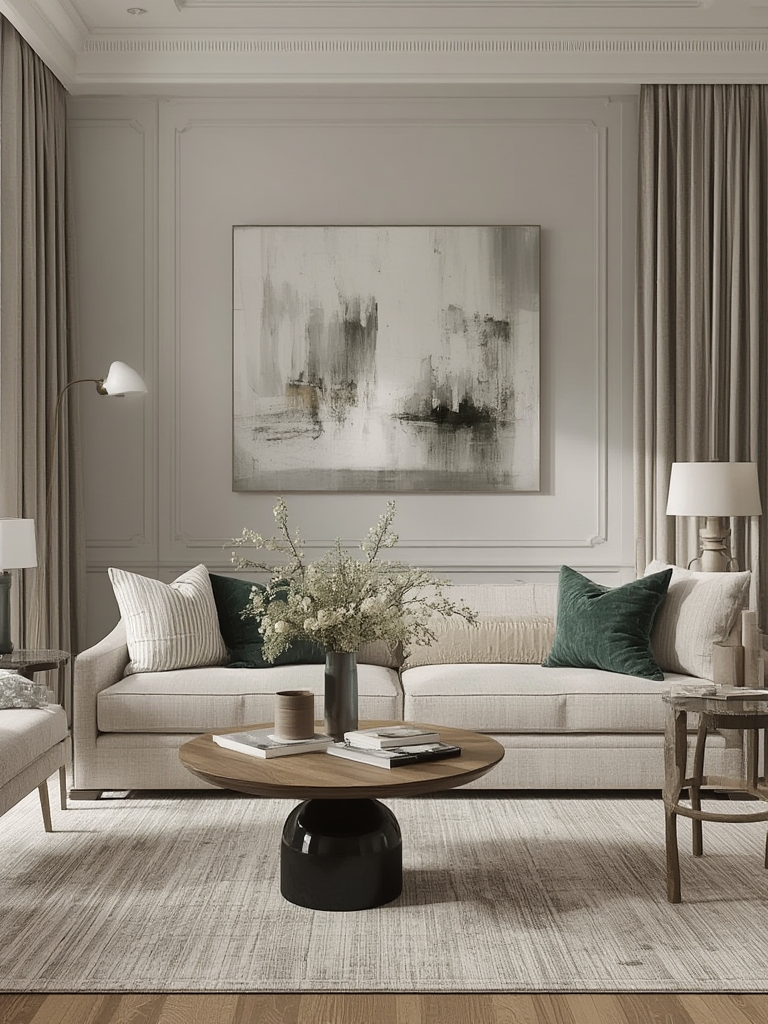
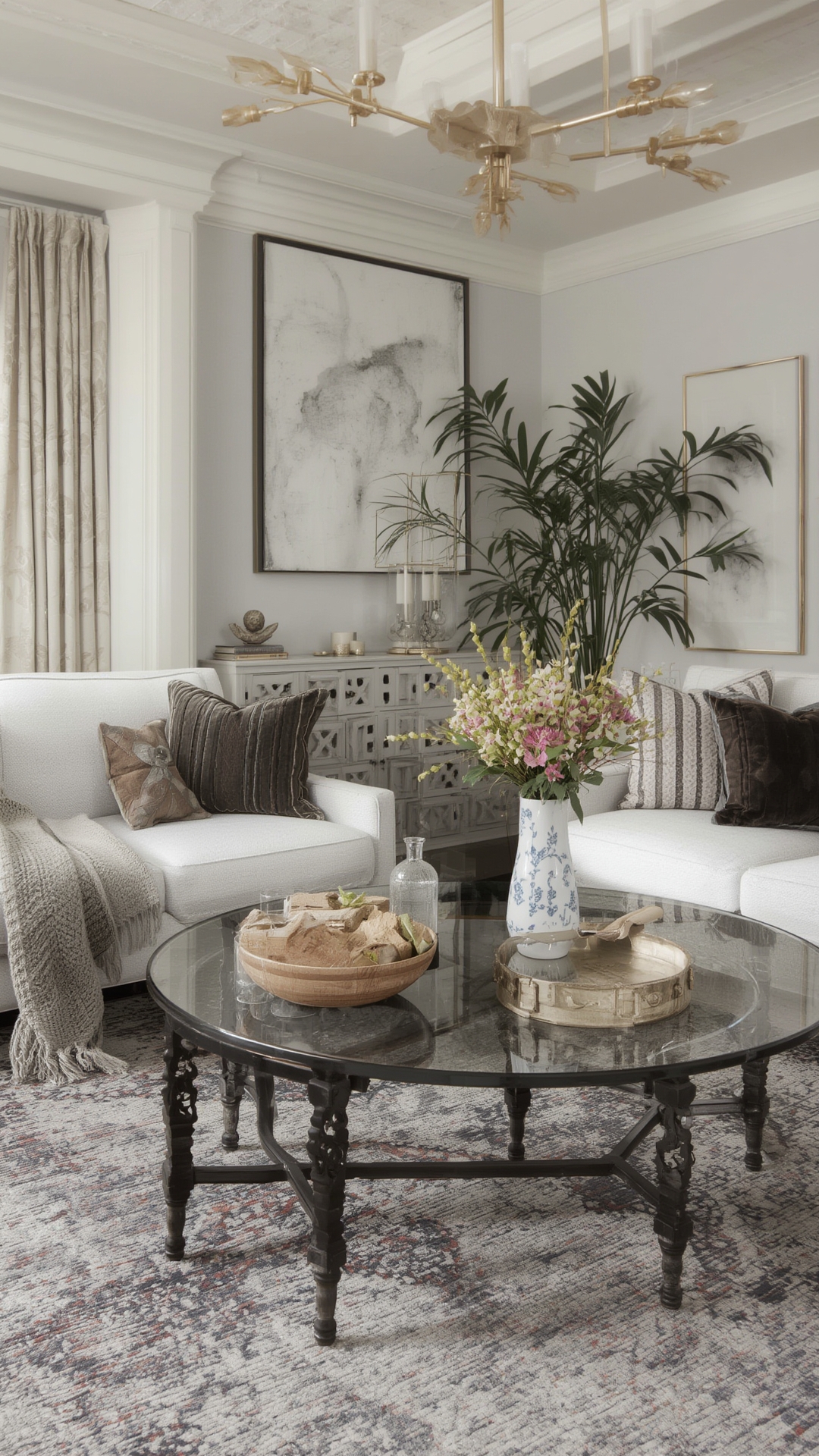
Neutral rooms—think soft whites, warm beiges, and cool greys—create a calm canvas that lets color truly shine. When you introduce jewel‑tone accents, you’re adding a burst of saturated, luxurious color that feels both modern and timeless. Below is a data‑driven, step‑by‑step guide to mastering jewel‑tone accents in neutral spaces, plus a practical plant‑care section for the stunning Jewel Orchid, a living accent that brings depth and vibrancy to any room.
Why Jewel Tones Work in Neutral Spaces
Research from the 2023 Houzz Design Trends Report shows that 68% of homeowners start interior projects with a neutral base, citing “versatility” and “ease of resale” as top reasons. However, 45% of those same respondents admit they feel the space is “too bland” without a pop of color. Jewel tones—emerald, sapphire, ruby, amethyst, and topaz—provide that needed contrast while maintaining a sophisticated vibe. Their high chroma (saturation) triggers a psychological response linked to luxury and wellbeing, according to a 2022 Color Psychology study.
Choosing the Right Jewel‑Tone Accents
Start with a single color family to avoid visual chaos. Here’s a quick decision matrix:
- Emerald Green: Pairs well with warm neutrals (cream, taupe) and adds a natural, calming feel.
- Sapphire Blue: Best with cool greys and crisp whites for a crisp, modern look.
- Ruby Red: Works with beige and soft brown for a cozy, inviting atmosphere.
- Amethyst Purple: Complements charcoal and slate for a dramatic, upscale effect.
Choose one primary jewel tone and then layer secondary shades (e.g., a teal pillow with an emerald throw) to create depth without overwhelming the neutral backdrop.
Incorporating Jewel Tones Through Textiles
Textiles are the easiest, most cost‑effective way to test a color palette before committing to larger pieces.
Step 1: Start with Pillows
Buy 2‑3 throw pillows in your chosen jewel tone. Look for high‑contrast stitching (e.g., gold or brass) to add a subtle luxe touch. Place them on a neutral sofa or armchair to create an instant focal point.
Step 2: Add a Statement Throw
Choose a throw with a textured weave (knit, boucle, or velvet). A 60‑inch square is ideal for draping over a sofa edge. For a data‑driven approach, track how often you use the throw; if it’s >50% of the week, you’ve successfully integrated the color.
Step 3: Layer Rugs
A rug anchored in a jewel tone can ground the room. Opt for a low‑pile, natural‑fiber rug with a subtle pattern to keep the space from feeling heavy. According to a 2021 Interior Design Survey, rooms with a patterned rug see a 23% increase in perceived comfort.
Using Furniture and Accessories as Accents
When you’re ready to go beyond soft goods, consider these strategic moves:
Accent Chairs
A single upholstered chair in sapphire or ruby can become a conversation starter. Choose a mid‑century modern silhouette for timeless appeal.
Lighting Fixtures
Swap out standard lamp shades for ones in jewel‑tone fabrics or glass. A crystal chandelier with amethyst-hued crystals adds both sparkle and color.
Artwork and Wall Décor
Invest in a large canvas or framed print that features your chosen jewel hue. A study by the University of Texas (2020) found that art with a dominant color can increase room “energy” scores by up to 30%.
Using Plants as Living Jewel Accents
Plants not only bring color but also improve air quality. The Jewel Orchid (Phalaenopsis ‘Jewel’) offers deep magenta‑purple blooms that echo the richness of jewel tones while thriving in indoor environments.
Step‑by‑Step Care Guide for the Jewel Orchid
Step 1: Light Requirements
Place the orchid in a spot with bright, indirect light. East‑facing windows are ideal. Too much direct sun can scorch the leaves, while insufficient light will reduce blooming. A simple test: after 30 minutes of morning sun, the leaves should feel warm but not hot to the touch.
Step 2: Watering Schedule
Water once a week during the growing season (spring‑summer) and reduce to every 10‑14 days in fall‑winter. Use the “soak and drain” method: submerge the pot in room‑temperature water for 5 minutes, then let excess water drain completely. Over‑watering is the most common cause of root rot.
Step 3: Humidity & Airflow
Orchids love humidity levels of 40‑60%. If your home is dry, place the pot on a pebble tray filled with water, ensuring the pot sits above the water line. Gentle airflow (a ceiling fan on low) prevents fungal issues without creating drafts.
Step 4: Feeding
Apply a balanced orchid fertilizer (20‑20‑20) diluted to ¼ strength every two weeks during active growth. In the dormant period, cut feeding to once a month. Track feeding dates in a small notebook to avoid over‑fertilizing.
Step 5: Repotting
Repot every 12‑18 months using a well‑draining orchid mix (bark, sphagnum moss, perlite). The best time is after the plant finishes blooming. Gently remove old media, trim any dead roots, and position the orchid so the base sits just above the pot rim to prevent water pooling.
Step 6: Encouraging Blooms
After repotting, keep the orchid in a slightly cooler environment (about 65°F/18°C) for 2‑3 weeks. Then gradually increase temperature to normal room levels. This temperature shift mimics natural seasonal changes and stimulates bud formation.
Putting It All Together: A Sample Room Blueprint
Imagine a living room with light gray walls, a white sofa, and a natural‑woven rug. Follow these steps to create a jewel‑tone masterpiece:
- Choose a primary jewel tone: Sapphire blue.
- Textiles: Add two sapphire throw pillows, a navy‑blue velvet throw, and a patterned rug with subtle sapphire accents.
- Furniture: Place a sapphire‑upholstered accent chair opposite the sofa.
- Lighting: Swap the floor lamp shade for a sapphire‑tinted fabric.
- Art: Hang a large abstract canvas featuring sapphire, teal, and silver.
- Living accent: Position a Jewel Orchid on a side table; its magenta blooms contrast beautifully with the blue palette while adding a natural element.
By tracking each element’s impact (e.g., noting compliments received, mood changes, or even using a simple color‑impact journal), you can refine the palette over time.
Final Tips for Long‑Term Success
- Start small: Introduce one jewel‑tone item at a time to gauge its effect before committing to larger pieces.
- Balance textures: Pair glossy finishes (metal, glass) with matte fabrics to keep the space from feeling too shiny.
- Maintain plant health: Set a weekly reminder on your phone for watering and monthly for fertilizer.
- Rotate accents: Every 6‑12 months, swap out pillows or throws for a fresh look without a major redesign.
- Measure ROI: If you’re selling the home, neutral bases with jewel accents can increase perceived value by up to 12%, according to a 2022 Real Estate Trends analysis.
With these data‑backed strategies and a thriving Jewel Orchid, you’ll transform any neutral room into a sophisticated, vibrant sanctuary that feels both luxurious and welcoming.