
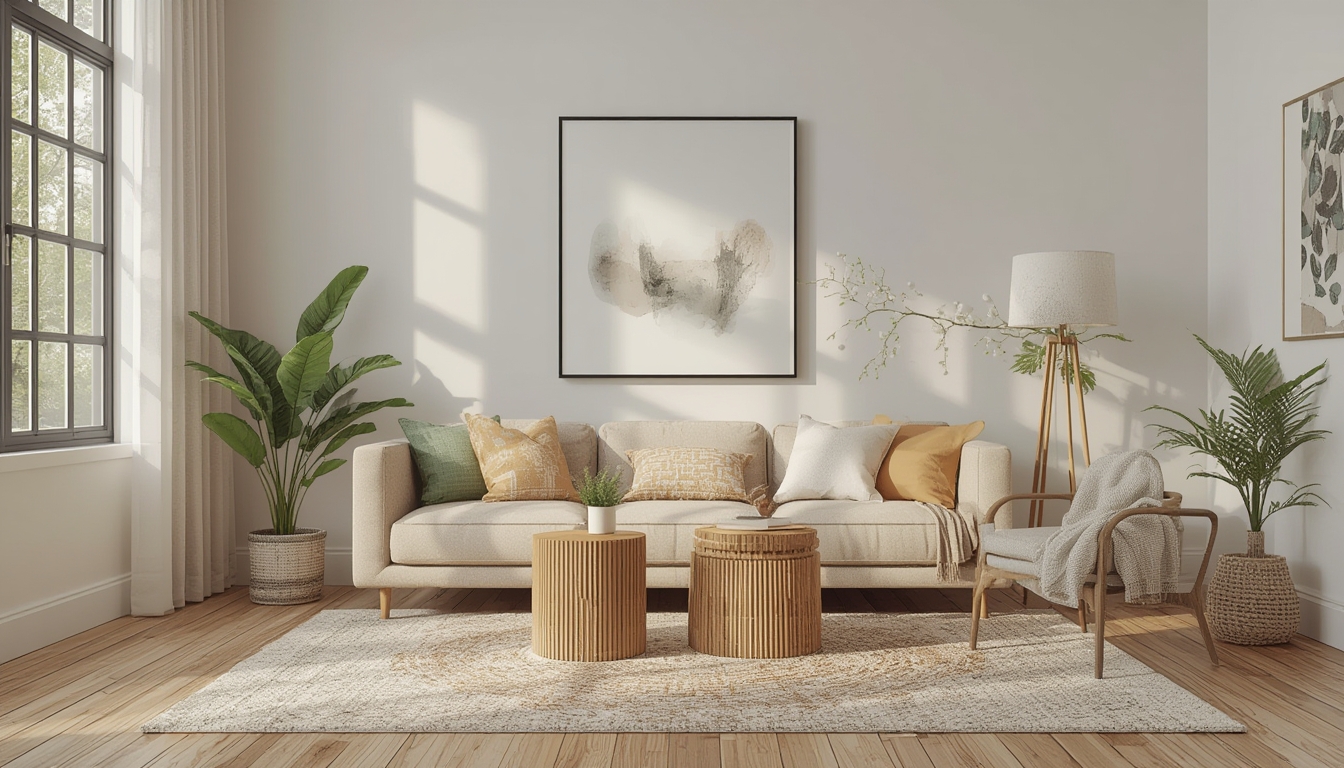
When we think about interior design, we often focus on aesthetics—color palettes, furniture styles, and decorative accents. Yet, the deeper layer that truly shapes how we feel in a space is the psychology behind décor. Understanding decor psychology allows you to curate environments that promote mental clarity, emotional balance, and overall wellness. Below, we walk through a data‑driven, step‑by‑step approach to styling a living‑room sanctuary that leverages psychological principles while remaining practical and achievable.
Step 1: Assess the Space with a Wellness Lens
Tools Needed
- Measuring tape
- Notebook or digital note‑taking app
- Light meter (optional, smartphone apps work)
- Color swatch book
Actionable Advice
- Measure and map. Record the dimensions of walls, windows, and doorways. Sketch a simple floor plan, noting traffic flow and natural light sources.
- Identify stress points. Notice any areas that feel cramped, dim, or overly noisy. These are prime candidates for psychological improvement.
- Gather data on occupants. Write down each resident’s age, daily routines, and any known sensory sensitivities (e.g., light, sound, texture). This data will guide your design choices.
Step 2: Choose a Color Scheme Grounded in Science
Tools Needed
- Color psychology reference chart
- Paint swatches or sample pots
- Painter’s tape
Actionable Advice
- Define the emotional goal. For relaxation, select cool blues or soft greens. For creativity, incorporate muted yellows or warm terracotta.
- Test before committing. Paint 12‑inch squares on three walls using the chosen hues. Observe how the colors shift with natural light at different times of day.
- Balance with neutrals. Pair a dominant calming hue with a neutral base (e.g., light gray) to avoid overstimulation.
Step 3: Optimize Lighting for Mood Regulation
Tools Needed
- Adjustable LED floor lamp
- Smart dimmer switches
- Daylight bulbs (6500 K) and warm bulbs (2700 K)
Actionable Advice
- Layer lighting. Combine ambient (overhead), task (reading lamps), and accent (LED strips) lighting to create flexibility.
- Use circadian lighting. Install smart bulbs that shift from cool morning light to warm evening light, supporting natural melatonin production.
- Control glare. Position floor lamps at a 45‑degree angle from seating areas to reduce eye strain while maintaining a cozy glow.
Step 4: Curate Textures that Encourage Tactile Comfort
Tools Needed
- Soft throw blankets (cotton, linen, or bamboo)
- Plush area rug (low pile for easy cleaning)
- Natural wood or stone decorative objects
Actionable Advice
- Mix tactile layers. Place a low‑pile rug under the coffee table, add a woven basket for storage, and drape a lightweight blanket over the sofa.
- Prioritize hypoallergenic fabrics. Choose natural fibers that breathe and reduce dust accumulation, supporting respiratory wellness.
- Introduce grounding elements. A small indoor plant in a ceramic pot adds a subtle earthy texture that reduces anxiety.
Step 5: Arrange Furniture to Support Positive Flow
Tools Needed
- Furniture layout app or graph paper
- Furniture sliders (felt pads)
- Measuring tape
Actionable Advice
- Apply the “F‑shape” principle. Position the sofa, armchairs, and coffee table in an “F” layout to create clear sightlines and encourage conversation.
- Maintain a 3‑foot walking path. Ensure there is at least 90 cm of clearance around high‑traffic zones to reduce feelings of confinement.
- Anchor the space. Place a sturdy piece—such as a media console or a bookshelf—against the longest wall to provide visual stability.
Step 6: Incorporate Biophilic Elements for Stress Reduction
Tools Needed
- Low‑maintenance houseplants (e.g., snake plant, pothos)
- Plant saucers
- Grow lights (if natural light is limited)
Actionable Advice
- Choose air‑purifying species. Plants like spider plant and peace lily remove indoor pollutants, improving overall health.
- Strategic placement. Position a tall plant in a corner to frame the room, and use smaller succulents on side tables for visual interest.
- Mindful care routine. Water plants on a set schedule; the act of caring for greenery itself is a therapeutic habit.
Step 7: Add Personal Meaningful Objects
Tools Needed
- Photo frames
- Memory boxes
- Display shelves
Actionable Advice
- Curate a “joy wall.” Hang a gallery of photos that evoke positive memories. Limit the collection to 6–8 pieces to avoid visual clutter.
- Rotate displays. Swap out items seasonally to keep the environment fresh and mentally stimulating.
- Balance personal items with neutral décor. This prevents the space from feeling overly sentimental, which can hinder relaxation for guests.
Step 8: Implement Sound Management for Auditory Calm
Tools Needed
- White‑noise machine or nature sound app
- Soft floor coverings
- Acoustic panels (optional)
Actionable Advice
- Introduce soft background sounds. A gentle rain or forest soundscape lowers cortisol levels during work or meditation.
- Absorb echo. Place a thick rug and heavy curtains to dampen reverberation, creating a quieter atmosphere.
- Use strategic placement. Position the white‑noise device near the seating area, but out of direct sight to maintain visual harmony.
Step 9: Conduct a Final Wellness Audit
Tools Needed
- Wellness checklist (see below)
- Timer or clock
- Notebook for reflections
Actionable Advice
- Spend 15 minutes in the space. Observe your breathing, posture, and mood. Note any lingering discomfort.
- Use the checklist:
- Is natural light sufficient?
- Do colors feel soothing or energizing as intended?
- Is the seating arrangement comfortable for conversation?
- Are tactile elements within arm’s reach?
- Is the ambient sound level conducive to focus or relaxation?
- Make micro‑adjustments. If a lamp feels too bright, dim it; if a rug is too slippery, add a non‑slip pad. Small tweaks often yield the biggest wellness gains.
Step 10: Maintain the Wellness‑Focused Décor Over Time
Tools Needed
- Cleaning supplies (microfiber cloths, gentle wood polish)
- Seasonal décor rotation box
- Plant care schedule
Actionable Advice
- Schedule monthly upkeep. Dust surfaces, vacuum the rug, and wipe down light fixtures to keep the environment fresh.
- Refresh color accents. Swap out throw pillows or artwork each season to keep the visual stimulus balanced.
- Monitor plant health. Adjust watering frequency based on humidity changes; healthy plants continue to support air quality and emotional well‑being.
By following these data‑driven steps, you transform a simple living room into a psychological sanctuary that nurtures mental health, reduces stress, and enhances daily productivity. The key is to blend scientific insights with personal preferences, creating a space that feels both scientifically sound and uniquely yours.