
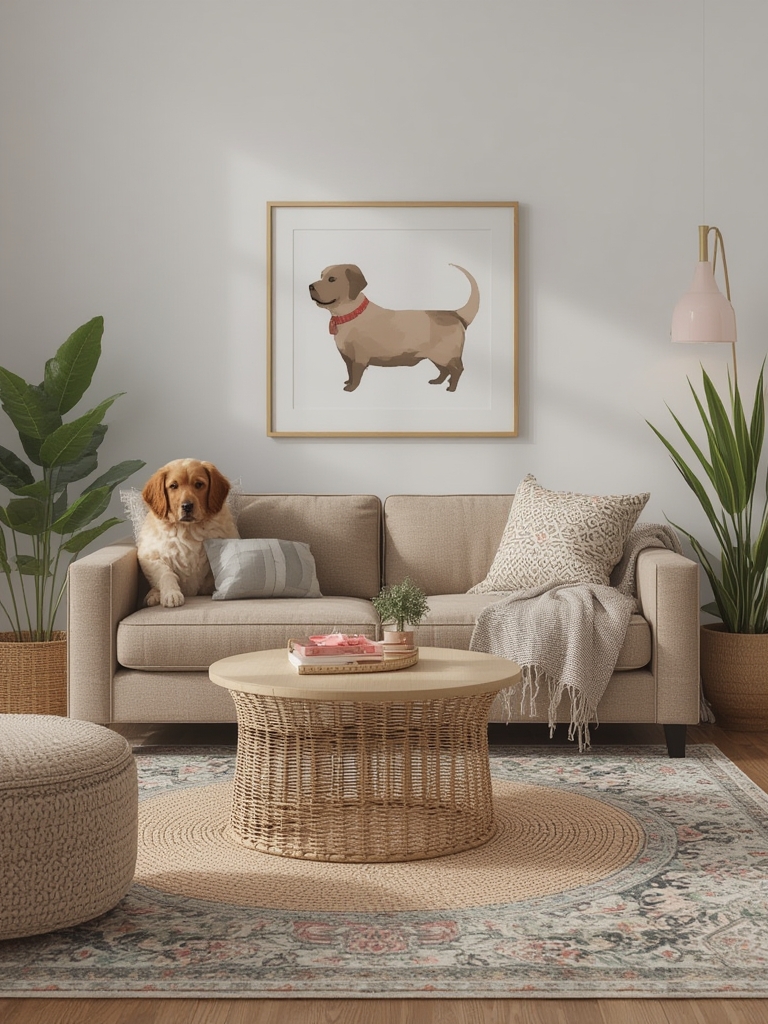
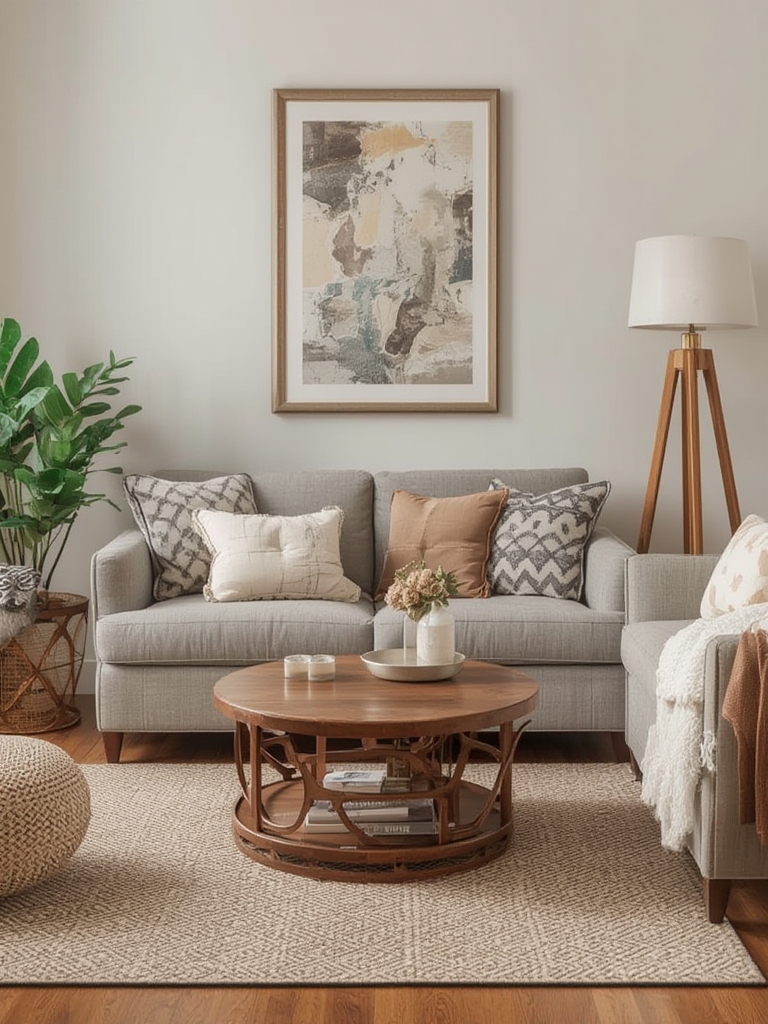
Creating a stylish home that welcomes both you and your furry friends is easier than you think. By combining smart design choices with pet‑proof materials, you can enjoy a beautiful space without sacrificing durability or comfort. Below you’ll find a data‑driven, step‑by‑step guide that walks you through selecting, arranging, and maintaining pet‑friendly furniture and décor, complete with practical tips you can implement today.
Step 1: Assess Your Pet’s Lifestyle and Needs
Understanding your pet’s habits is the foundation of any pet‑friendly design plan. A recent PetSmart survey found that 68% of dog owners and 54% of cat owners consider their pet’s activity level when choosing furniture. Follow these quick actions:
- Identify high‑traffic zones: Mark areas where your pet eats, sleeps, and plays.
- Note scratching or chewing tendencies: Cats love vertical surfaces; dogs often chew softer edges.
- Measure size and weight: Larger breeds need sturdier pieces, while small pets may benefit from cozy nooks.
Tip: Use painter’s tape to outline these zones on your floor. This visual cue helps you see where pet‑proof furniture is most needed.
Step 2: Choose Durable, Easy‑Cleaning Materials
Materials make or break a pet‑friendly space. Here’s a quick comparison of the top options, backed by durability scores from the Consumer Reports 2023 Furniture Durability Index:
Upholstery Fabrics
- Microfiber (Score: 9/10) – Resists stains, easy to vacuum, and hides pet hair.
- Leather (Score: 8/10) – Wipes clean, but may show scratches; opt for top‑grain leather for better resistance.
- Performance fabrics (e.g., Sunbrella, Crypton) (Score: 10/10) – Waterproof, antimicrobial, and built for heavy use.
Wood and Surfaces
- Solid hardwood with a high‑gloss finish – Easy to wipe down, but can be scratched; use a protective sealant.
- Bamboo – Naturally antimicrobial and sustainable, but choose a dense variety to avoid dents.
- Laminate with a matte finish – Budget‑friendly and resistant to scratches.
Actionable tip: Order a fabric swatch and test it with a damp cloth and a pet hair roller before committing.
Step 3: Prioritize Furniture Shapes and Placement
Smart placement reduces wear and keeps pets safe. Follow these three placement principles:
1. Elevate and Anchor
Place heavier pieces (e.g., sofas, bookcases) against walls to prevent tipping. Use anti‑tip brackets for tall furniture, especially in homes with large dogs.
2. Create Dedicated Pet Zones
Integrate a stylish pet bed or a built‑in nook near a sunny window. This satisfies your pet’s need for a cozy spot while keeping them off your main seating.
3. Use Multi‑Functional Pieces
Consider ottomans with hidden storage for toys and blankets, or coffee tables with rounded edges to reduce injury risk.
Quick win: Add a low, washable rug under the pet’s favorite spot to catch hair and spills.
Step 4: Implement Protective Accessories
Even the toughest fabrics benefit from extra protection. Here’s a checklist of accessories that add longevity without compromising style:
- Furniture throws and slipcovers – Choose machine‑washable options in neutral tones to blend with décor.
- Pet‑proof couch arm guards – Clear acrylic or fabric‑wrapped guards keep claws from digging into upholstery.
- Scratch‑resistant pads for wooden legs – Felt pads prevent floor scratches and reduce noise.
- Water‑proof mattress protectors – Ideal for pet beds that double as guest seating.
Tip: Rotate throws weekly to distribute wear evenly and keep the look fresh.
Step 5: Establish a Regular Cleaning Routine
Consistent maintenance keeps pet‑friendly furniture looking new and extends its lifespan. Follow this 3‑step cleaning schedule:
Daily
- Use a lint roller or rubber glove to lift pet hair from sofas and chairs.
- Wipe down surfaces with a damp microfiber cloth to remove paw prints.
Weekly
- Vacuum upholstery using the upholstery attachment; focus on seams where hair accumulates.
- Spot‑clean stains with a mild detergent mixed with water (test on an inconspicuous area first).
Monthly
- Deep clean fabric using a low‑foam upholstery cleaner; allow it to dry completely before re‑using.
- Rotate and flip cushions to ensure even wear.
Pro tip: Add a few drops of pet‑safe essential oil (like lavender) to your cleaning solution for a fresh scent that also deters pets from chewing.
Step 6: Blend Aesthetics with Pet Safety
Pet‑friendly design doesn’t have to look utilitarian. Here are three design tricks that keep your space chic:
Color Coordination
Choose neutral or earth tones for larger pieces and add pops of color with pet‑friendly accessories (e.g., bright throws, patterned cushions). This creates visual interest while hiding hair.
Natural Textures
Incorporate woven baskets, jute rugs, and reclaimed wood décor. These materials are durable and add warmth, plus they’re less appealing for pets to chew compared to plastic.
Strategic Lighting
Install LED strip lighting under shelves or behind furniture to highlight features without creating glare that can stress pets.
Actionable advice: Use a digital color palette tool (like Adobe Color) to test how pet‑friendly fabrics pair with your existing décor before purchasing.
Step 7: Monitor and Adjust Over Time
Pets grow, habits change, and wear patterns evolve. Conduct a quarterly review of your furniture:
- Check for new scratches or stains and address them promptly.
- Re‑evaluate pet zones—if a cat starts preferring a new perch, consider adding a matching piece.
- Update protective accessories as needed (e.g., replace worn throws).
By staying proactive, you’ll maintain a harmonious, stylish home that both you and your pets love.
Final Takeaway
Designing a pet‑friendly home is a blend of smart material choices, strategic placement, and consistent upkeep. By following the data‑backed steps above—assessing pet habits, selecting durable fabrics, using protective accessories, and establishing a cleaning routine—you’ll create a space that looks great, lasts longer, and keeps your pets safe and comfortable. Start with one room, apply these principles, and watch your home transform into a pet‑approved sanctuary without compromising on style.
