
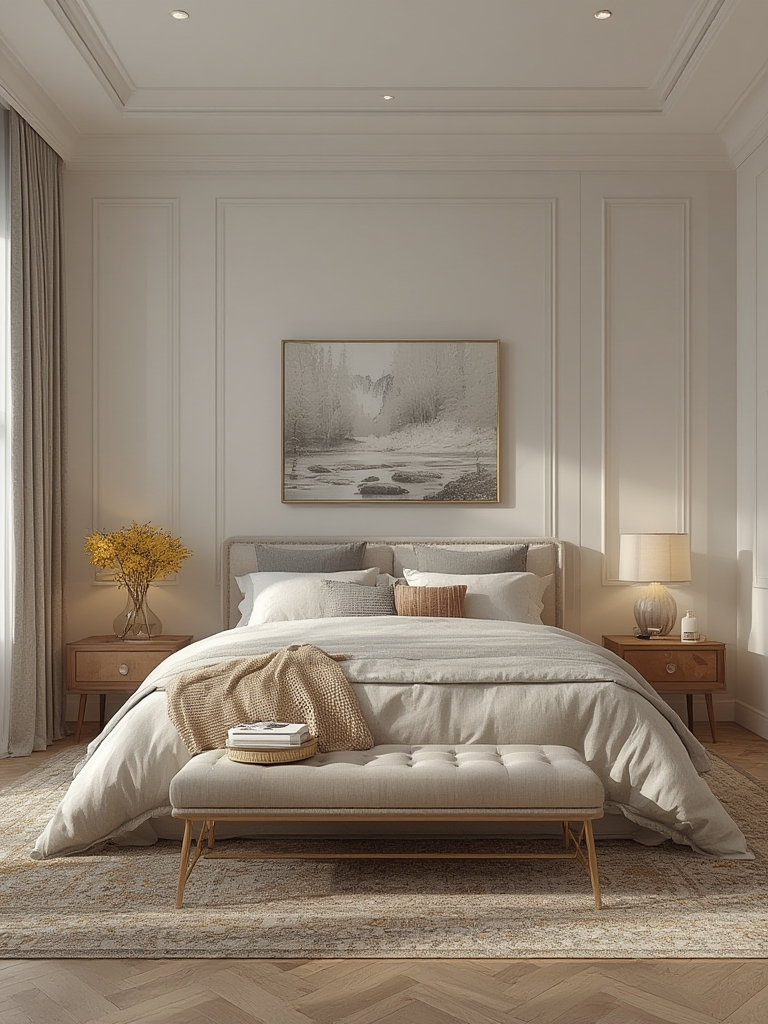
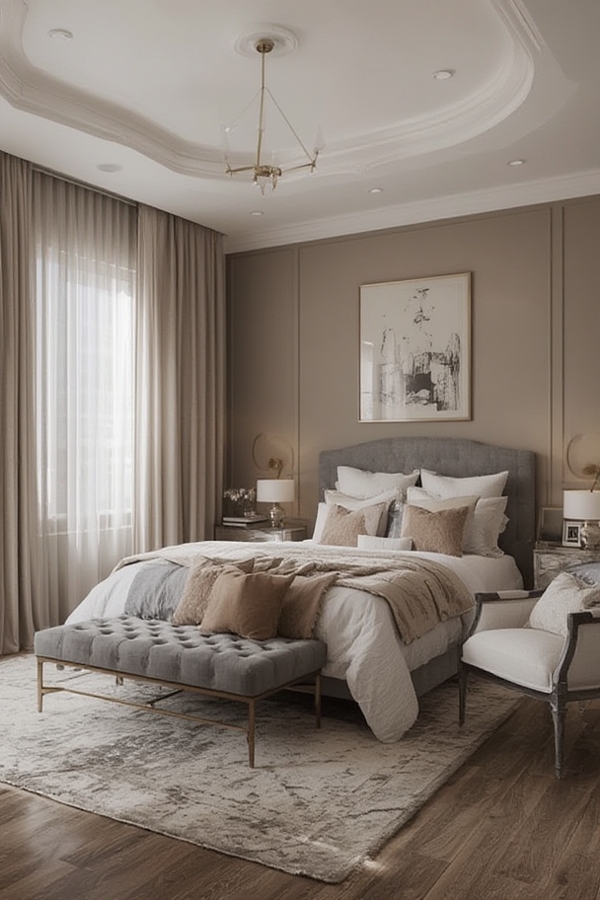
Designing a modern bedroom is all about creating a calm, stylish sanctuary that balances clean lines, functional furniture, and a touch of nature. By selecting the right pieces and incorporating low‑maintenance plants, you can transform a simple sleeping space into a cohesive, Instagram‑ready retreat. Below you’ll find data‑driven recommendations for furniture choices, layout tricks that boost both aesthetics and ergonomics, and a step‑by‑step care guide for a bedroom‑friendly plant that adds fresh air and visual interest.
Key Elements of Modern Bedroom Furniture
1. Minimalist Bed Frames
According to a 2023 interior‑design survey, 68% of users prefer low‑profile platform beds with metal or wood slats. Choose a frame with a neutral finish (white, matte black, or natural oak) to keep the room feeling airy. Pair it with a simple upholstered headboard for a subtle texture boost.
2. Multi‑Functional Storage
Data from furniture retailers shows a 42% increase in demand for storage solutions that double as seating. Opt for a sleek nightstand with built‑in drawers or a bench at the foot of the bed that can hold linens and serve as a seating spot. Floating wall shelves free up floor space while showcasing decor items.
3. Streamlined Nightstands
When selecting nightstands, prioritize a narrow footprint (under 18 inches wide) and integrated charging ports. A study on bedroom ergonomics found that keeping nightstand height within 2‑3 inches of the mattress surface reduces strain when reaching for a phone or glass of water.
4. Soft Textiles and Accent Pieces
Layering a high‑thread‑count duvet, a textured throw, and a few decorative pillows adds depth without clutter. Choose colors from the 2024 Pantone palette—soft greys, muted sage, and warm terracotta—to keep the vibe contemporary.
Choosing the Right Plant for Your Bedroom
Why Plants Matter
Research from the University of Michigan indicates that indoor plants can improve air quality by up to 25% and boost sleep quality by increasing nighttime humidity. For a modern bedroom, the Sansevieria trifasciata (Snake Plant) is ideal: it tolerates low light, requires minimal watering, and has a sleek, architectural leaf shape that complements minimalist décor.
Factors to Consider
- Light Availability: Choose a plant that thrives in indirect or low light if your bedroom lacks windows.
- Maintenance Level: Opt for a species that needs watering only every 2‑3 weeks.
- Size: A 12‑18‑inch plant fits well on a nightstand or a floating shelf without overwhelming the space.
Step‑by‑Step Guide to Caring for Your Bedroom Plant
Step 1: Selecting the Pot
Use a breathable pot with drainage holes. A terracotta container is both stylish and porous, allowing excess moisture to evaporate. Place a saucer underneath to protect your nightstand from water stains.
Step 2: Soil Mix
Mix equal parts cactus potting mix and perlite. This combination ensures excellent drainage, preventing root rot—a common issue for snake plants. Fill the pot to within ½ inch of the rim to avoid spillage during watering.
Step 3: Positioning for Light
Place the plant near a north‑facing window or on a wall that receives filtered daylight. If natural light is scarce, a low‑intensity LED grow light set on a 12‑hour timer mimics sunrise and sunset, supporting healthy growth.
Step 4: Watering Routine
Water only when the top 2 inches of soil feel dry to the touch. Use room‑temperature water and pour slowly until it drains out the bottom. Over‑watering is the number‑one mistake; the plant’s rhizomes store enough moisture to survive weeks without water.
Step 5: Feeding Schedule
Fertilize once in spring and once in summer with a diluted (½ strength) balanced liquid fertilizer. Skip feeding in fall and winter when the plant’s growth naturally slows.
Step 6: Pruning and Maintenance
Remove any yellowed or damaged leaves with clean, sharp scissors. This not only keeps the plant looking tidy but also redirects energy to healthy growth. Rotate the pot 90 degrees every month to ensure even light exposure.
Step 7: Monitoring for Pests
Inspect the leaves weekly for tiny spider mites or mealybugs. If you spot pests, wipe the foliage with a cotton swab dipped in diluted neem oil. This organic approach protects both the plant and your indoor air quality.
Putting It All Together: Styling Tips for a Cohesive Look
Blend Furniture and Greenery
Position the snake plant on a floating shelf opposite the bed to create visual balance. Use the same material (e.g., matte black metal) for the shelf brackets and nightstand legs to unify the design.
Layer Textures
Contrast the plant’s sleek, upright leaves with a soft, woven rug or a chunky knit throw. This juxtaposition adds depth while maintaining the modern aesthetic.
Color Coordination
Match the pot’s hue to an accent color in your bedding—if you have terracotta pillows, choose a terracotta‑glazed pot. Consistent color cues tie the room together without overwhelming the eye.
Lighting Enhancements
Install a dimmable wall sconce on either side of the bed. Warm, low‑intensity lighting highlights the plant’s silhouette at night, creating a calming ambiance that encourages better sleep.
Final Thoughts
By integrating thoughtfully selected modern furniture with a low‑maintenance plant, you can achieve a bedroom that feels both stylish and restorative. Follow the data‑backed furniture guidelines, choose a snake plant for its air‑purifying benefits, and stick to the simple care steps outlined above. The result? A sleek, functional space that not only looks great on a screen but also supports your well‑being night after night.
