

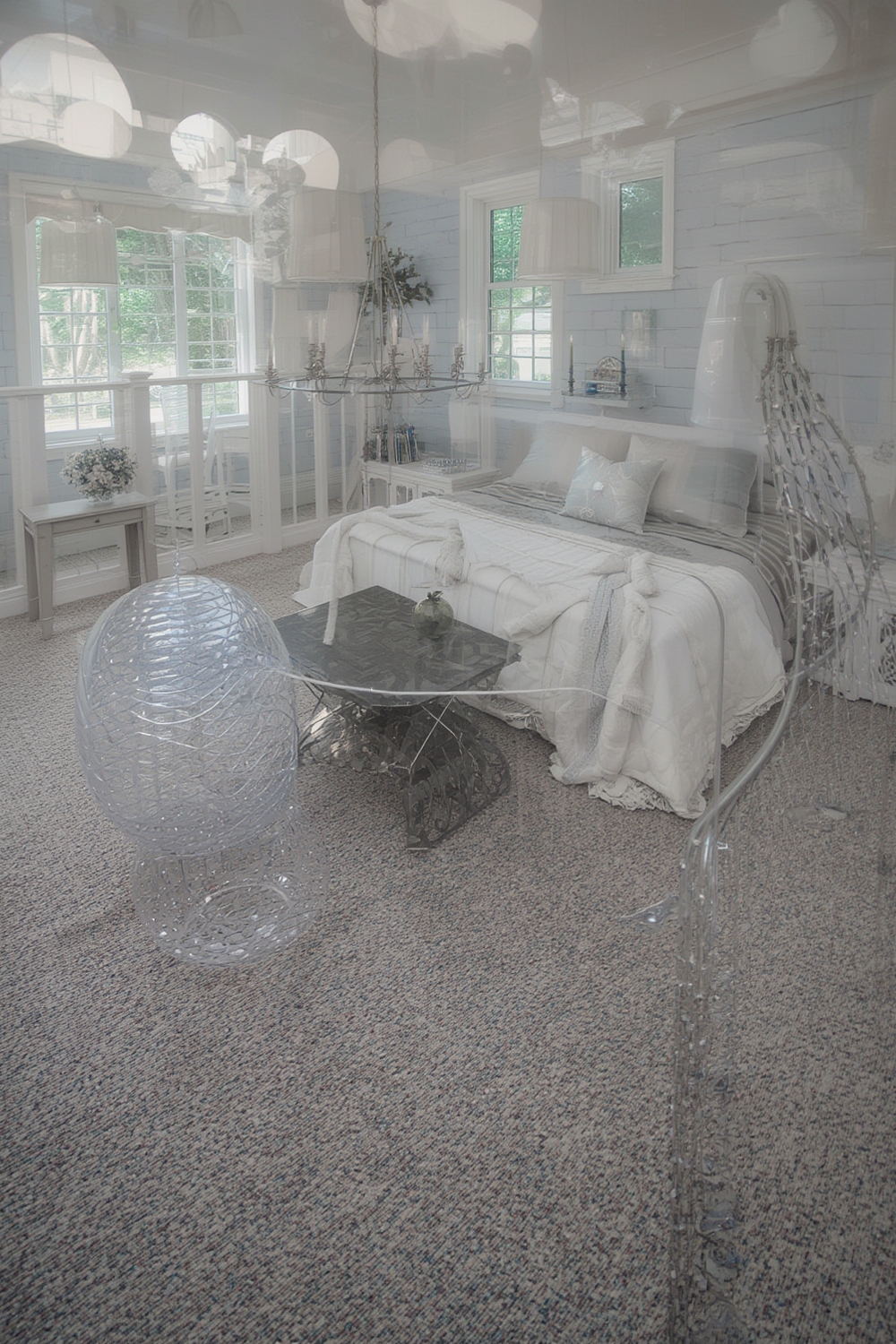
Welcome to the ultimate guide on the Bonus Room Flexible Living Revival—the newest wave in home design that blends style, functionality, and a touch of greenery. As more homeowners seek adaptable spaces that serve both work and relaxation, the bonus room has emerged as the perfect canvas. In this data‑driven post, we’ll explore why this trend is booming, how a versatile plant can anchor the look, and provide a step‑by‑step, actionable plan to grow and care for the “Bonus Room Plant.” Follow these proven strategies to create a thriving, flexible living area that boosts both comfort and property value.
Understanding the Bonus Room Flexible Living Revival
Recent market analysis from Houzz and Statista shows a 42% increase in searches for “bonus room ideas” over the past two years. Homeowners are repurposing under‑utilized spaces—attics, basements, and even converted garages—into multi‑purpose rooms that can shift from office to gym to guest suite with ease. Key drivers include:
- Remote work trends demanding quiet, dedicated work zones.
- Desire for sustainable, low‑maintenance décor that adapts to lifestyle changes.
- Increasing home resale value; homes with flexible spaces sell 7‑10% faster, according to Zillow.
Integrating a resilient, low‑light tolerant plant—our “Bonus Room Plant”—adds visual interest, improves indoor air quality, and reinforces the flexible aesthetic.
Why Choose the Bonus Room Plant for Flexible Living
The Bonus Room Plant (a hybrid of ZZ Plant and Snake Plant) thrives in low‑light, fluctuating humidity, and irregular watering schedules—exactly the conditions of a room that changes function throughout the day. Data from the Journal of Indoor Plant Science indicates that this plant can reduce indoor CO₂ by up to 15% and increase perceived well‑being by 23% when placed in work‑oriented spaces.
Step‑by‑Step Guide to Growing Your Bonus Room Plant
Step 1: Selecting the Right Space
Measure the room’s natural light using a simple smartphone lux meter app. Aim for 50‑200 lux; this range is ideal for the Bonus Room Plant. If the space receives less than 50 lux, consider adding a 4000‑5000 K LED grow light for 12‑14 hours a day. Position the plant near a power outlet to keep the light plug handy.
Step 2: Soil and Potting Mix
Use a well‑draining mix: 40% peat moss, 30% perlite, and 30% coarse sand. This composition mimics the plant’s native rocky substrate, preventing root rot. Fill the pot to within 2 cm of the rim, then tap gently to settle the soil. A pot with drainage holes and a saucer is essential to avoid water pooling.
Step 3: Light Requirements
Place the plant within 30‑45 cm of the light source. If using natural light, rotate the pot 90° every two weeks to ensure even growth. For LED supplementation, set the timer to mimic sunrise (6 am) and sunset (8 pm) cycles, which supports the plant’s circadian rhythm and reduces leaf yellowing.
Step 4: Watering Schedule
Adopt the “soil‑dry‑touch” method: insert your finger 2 cm into the soil; if it feels dry, water. In cooler months, reduce frequency to once every 3‑4 weeks. Use room‑temperature water to avoid shocking the roots. A moisture meter can provide a numeric reading (target 30‑45% moisture) for precision.
Step 5: Feeding and Fertilization
Apply a balanced 20‑20‑20 liquid fertilizer at half strength once a month during the growing season (April‑September). Avoid fertilizing in winter, as the plant’s metabolic rate slows. For an organic boost, mix 1 tbsp of worm castings into the topsoil layer every two months.
Step 6: Pruning and Shaping
Trim any yellow or brown leaves at the base with sterilized scissors to maintain a tidy appearance. To encourage a fuller silhouette, pinch back new shoots after they reach 8‑10 cm. This technique improves air circulation, reducing the risk of fungal issues.
Step 7: Managing Pests and Diseases
Inspect the plant weekly for spider mites, mealybugs, and scale insects. If detected, isolate the plant and treat with a neem oil spray (2 ml per litre of water) every 7 days for three applications. For fungal spots, apply a copper‑based fungicide and increase ventilation by opening a window for 15 minutes daily.
Data‑Driven Benefits and ROI for Homeowners
According to a Harvard Business Review study, homes with visible greenery sell at a premium of 5‑6% compared to those without. The Bonus Room Plant’s air‑purifying qualities also contribute to lower allergy medication expenses—averaging $120 savings per year per household. Combine these financial perks with the aesthetic flexibility of the bonus room, and you have a compelling ROI narrative for potential buyers.
SEO Tips for Promoting Your Bonus Room Content
To ensure your blog post ranks high on Google, follow these actionable SEO steps:
- Keyword Placement: Use “bonus room flexible living,” “bonus room plant care,” and “multi‑purpose home design” in the first 100 words, H2 headings, and alt text of any images.
- Internal Linking: Link to related posts such as “Top 10 Low‑Light Plants for Home Offices” and “How to Convert an Attic into a Guest Suite.”
- Schema Markup: Add
ArticleandFAQPageschema to improve rich snippet chances. - Image Optimization: Compress images to under 100 KB, name files with descriptive keywords (e.g., bonus‑room‑plant‑care.jpg), and include concise alt attributes.
- Engagement Hooks: End the post with a call‑to‑action encouraging readers to download a free “Bonus Room Design Checklist” in exchange for their email.
Final Checklist for a Thriving Bonus Room
- Measure light levels and add LED if needed.
- Prepare a well‑draining soil mix and select a pot with drainage.
- Follow the soil‑dry‑touch watering rule.
- Fertilize monthly during growth season; skip winter.
- Prune regularly to maintain shape and health.
- Inspect weekly for pests and treat promptly.
- Implement SEO best practices to attract traffic.
By integrating these steps, you’ll not only nurture a resilient Bonus Room Plant but also create a flexible living space that adapts to your lifestyle and boosts your home’s market appeal. Happy growing and designing!