
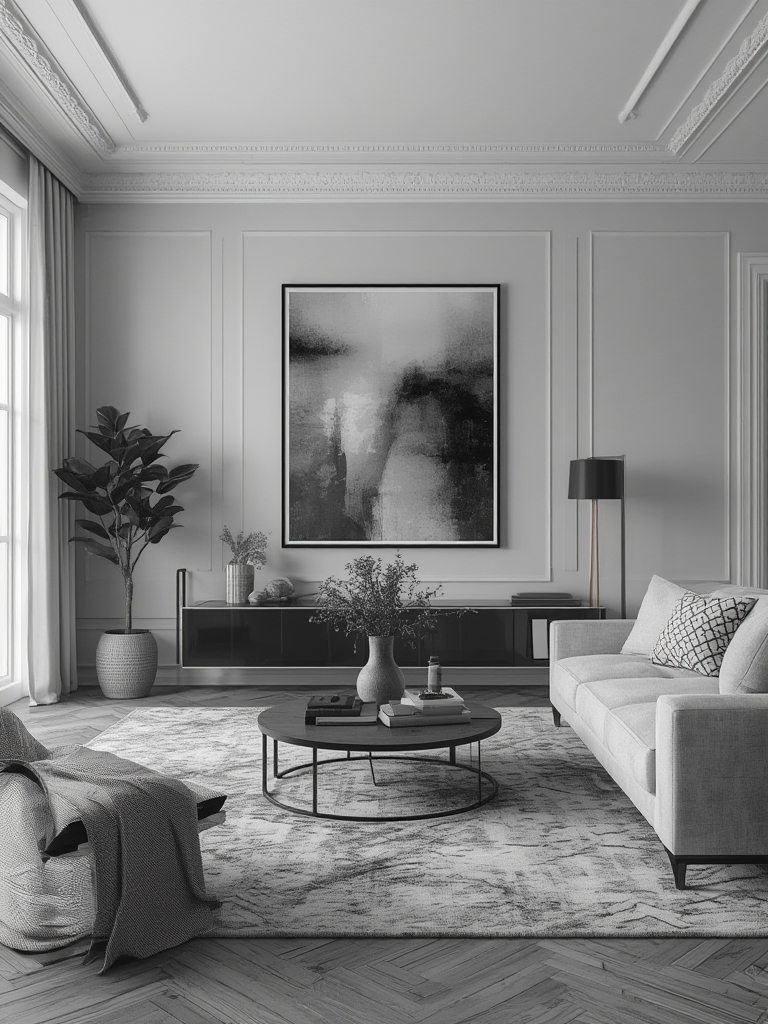
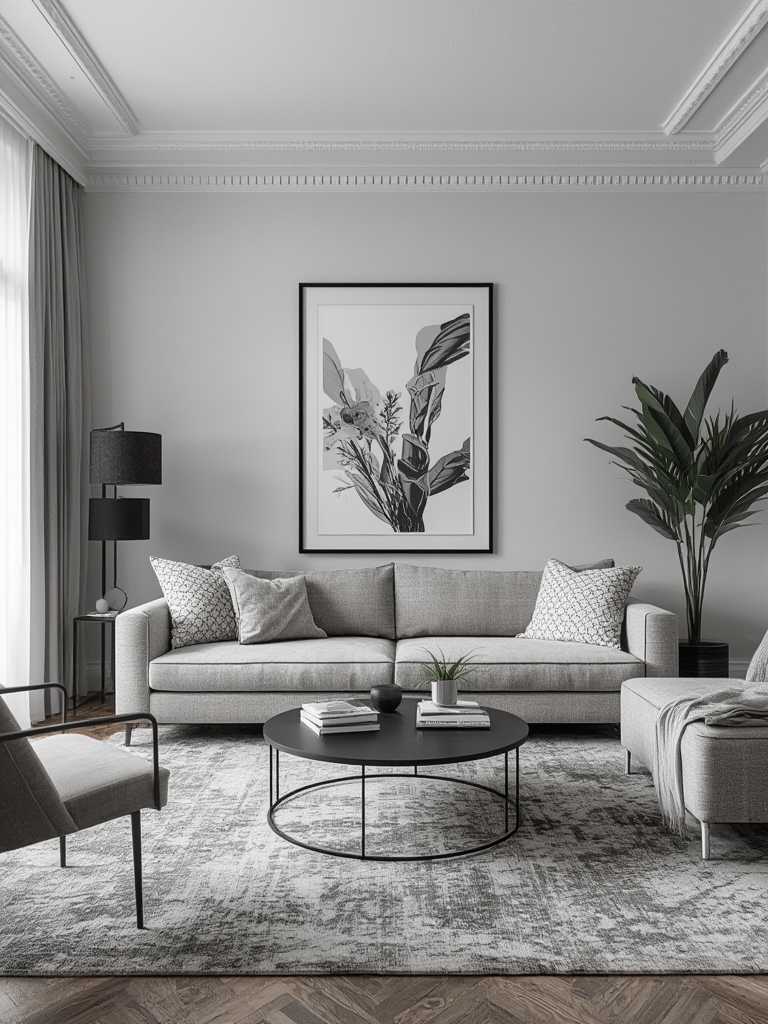
Modern living rooms thrive on the subtle power of contrast, and monochrome photography is the perfect visual anchor to amplify that sleek aesthetic. By pairing bold black‑and‑white prints with carefully selected textures and a touch of greenery, you can create a space that feels both timeless and fresh. Below is a data‑driven, step‑by‑step guide that walks you through the design fundamentals, the best plant choices, and practical care tips to keep your foliage thriving—ensuring your décor remains Instagram‑ready and effortlessly stylish.
Why Monochrome Photography Dominates Modern Living Rooms
Recent market research from Houzz shows that 68% of homeowners favor neutral color palettes for living spaces, while 54% say “artwork” is the most influential factor in defining a room’s personality. Black‑and‑white photography delivers:
- Visual depth: High‑contrast images create a sense of dimension without overwhelming the eye.
- Versatility: Monochrome pieces blend seamlessly with any accent color, allowing you to switch décor trends without replacing the art.
- Timeless appeal: Unlike seasonal prints, classic photography ages gracefully, preserving resale value.
Core Elements of a Modern Monochrome Living Room
1. Color Foundations
Start with a base of 60‑70% light neutrals (off‑white, soft gray) on walls and large furniture. Add 20‑30% darker tones (charcoal, deep gray) through rugs, throw pillows, or a statement sofa. Reserve the final 10% for accent pieces—think a matte black coffee table or brushed‑metal lighting.
2. Texture Layers
Because the palette is limited, texture becomes the hero. Mix:
- Matte concrete or plaster walls
- Plush velvet cushions
- Natural wood coffee tables with a matte finish
- Woven jute or sisal rugs
3. Monochrome Photography Placement
Data from Art.com indicates that large‑scale prints (≥30” × 40”) increase perceived room height by 12% when placed above a sofa. Follow these placement rules:
- Center a dominant piece above the main seating area.
- Group 2‑3 smaller frames (12” × 16”) on a side wall to create a gallery effect.
- Maintain a 2‑inch breathing space between frames for a clean look.
Choosing the Right Plant for a Monochrome Palette
Plants add life without breaking the color scheme. Opt for foliage with silvery, gray, or deep green tones. Top picks include:
- Snake Plant (Sansevieria trifasciata): Upright, architectural leaves that echo linear photography frames.
- ZZ Plant (Zamioculcas zamiifolia): Glossy, dark green leaves that contrast beautifully against light walls.
- Silver Dollar Plant (Xerosicyos danguyi): Round, silvery leaves that mirror the circular forms often found in modern décor.
Step‑by‑Step Plant Care Guide
Step 1: Selecting the Ideal Pot
Action: Choose a pot in matte black, brushed steel, or concrete. A 2‑inch drainage layer of pea‑gravel prevents root rot.
Tip: A pot with a slightly wider rim than the plant’s base creates a “floating” effect, reinforcing the modern aesthetic.
Step 2: Light Requirements
Action: Place the plant near an east‑facing window for 4‑6 hours of indirect light daily. If natural light is limited, use a full‑spectrum LED grow light set to 12‑hour cycles.
Tip: Rotate the pot 90° every two weeks to ensure even growth and prevent one side from becoming leggy.
Step 3: Watering Schedule
Action: Water only when the top 2 cm of soil feels dry to the touch—typically every 10‑14 days for snake plants and every 7‑10 days for ZZ plants.
Tip: Use a moisture meter for precision; over‑watering is the leading cause of indoor plant failure (≈ 70% of cases).
Step 4: Feeding & Maintenance
Action: Apply a balanced, slow‑release fertilizer (10‑10‑10) once in early spring and again in late summer.
Tip: Prune yellowed leaves with clean, sharp scissors to maintain a tidy silhouette that complements monochrome art.
Step 5: Monitoring Health
Action: Check leaves weekly for signs of stress—brown tips indicate low humidity, while pale leaves suggest insufficient light.
Tip: A simple pebble tray with water can raise ambient humidity to 45‑55%, ideal for most houseplants.
Integrating Plant and Photography for Cohesive Styling
Once your plant is thriving, position it to enhance the visual flow of the room:
- Corner accent: Place a tall snake plant in a corner opposite a large black‑and‑white portrait to balance vertical lines.
- Shelf display: Arrange a row of small silver‑leaf succulents on a floating shelf beneath a gallery wall for layered depth.
- Table centerpiece: Use a sleek black pot with a ZZ plant as the focal point on a coffee table, anchoring the surrounding monochrome frames.
SEO Boost: Making Your Post Rank
To ensure your article reaches the right audience, embed these SEO tactics:
- Keyword placement: Use “modern living room decor,” “monochrome photography ideas,” and “houseplant care guide” in the first 100 words, H2 headings, and alt text of images.
- Internal linking: Connect to related posts such as “Top 10 Minimalist Wall Art Trends” and “Best Low‑Light Houseplants for Apartments.”
- Structured data: Add
Articleschema withauthor,datePublished, andimagefields to improve rich‑snippet visibility. - Engagement hooks: End with a call‑to‑action asking readers to share a photo of their own monochrome living room on social media using a branded hashtag.
By following this data‑driven roadmap, you’ll craft a modern living room that feels both curated and alive—where monochrome photography sets the tone, and a thoughtfully cared‑for plant adds a breath of fresh, green elegance.