
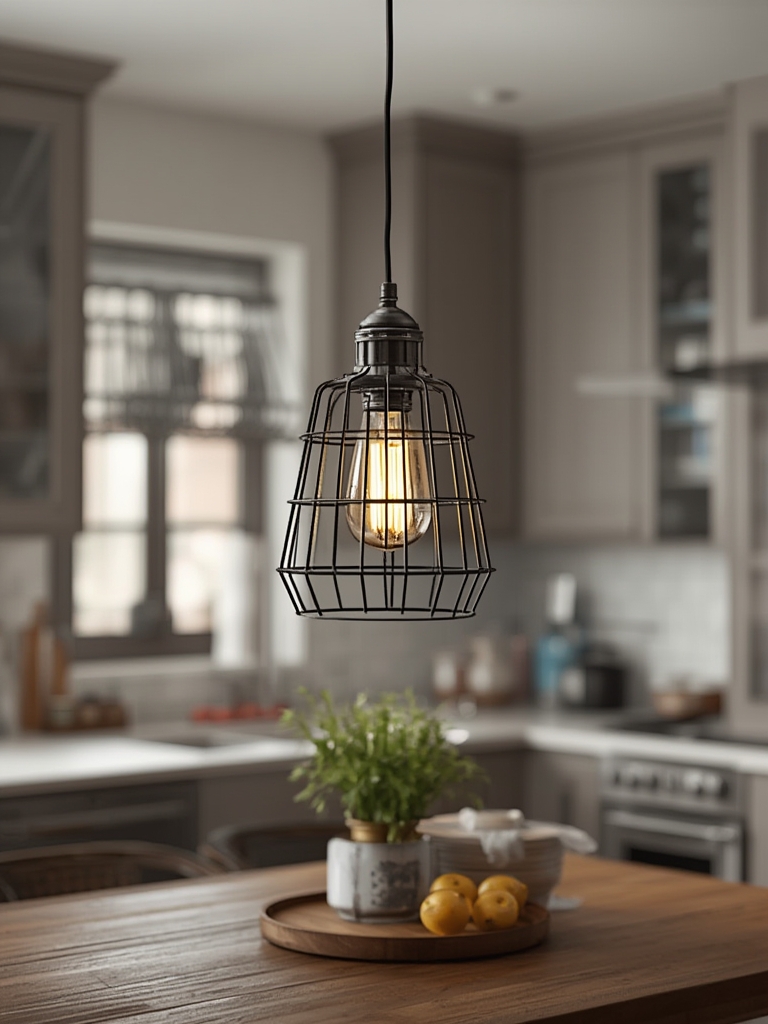
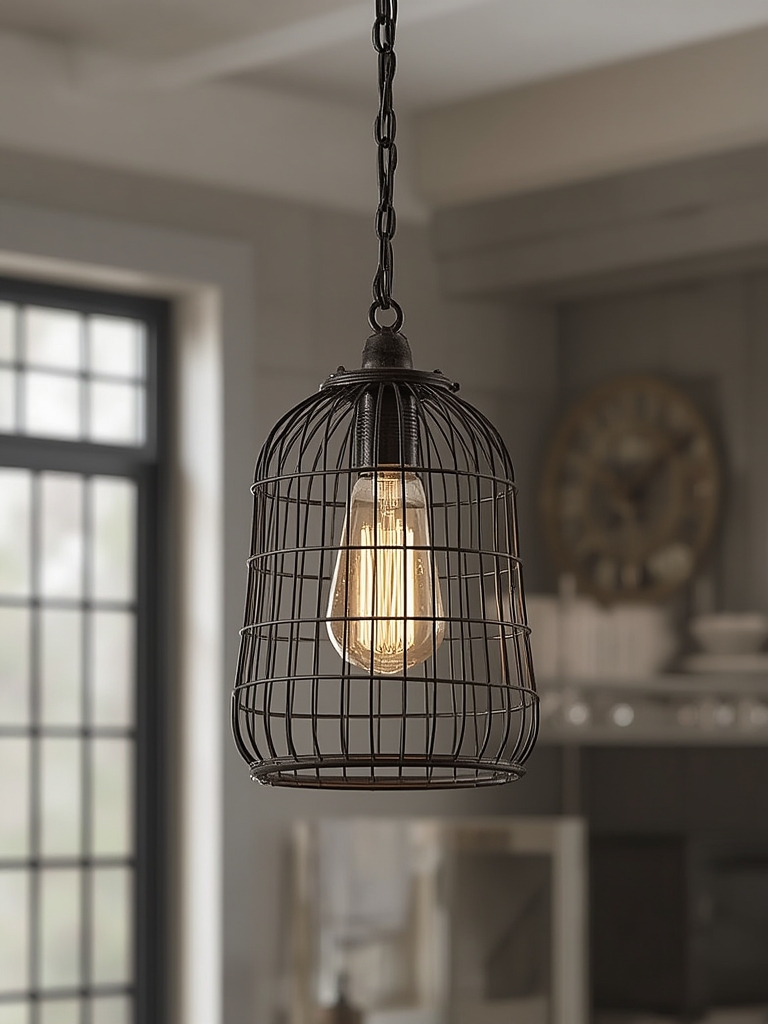
Industrial cage pendant lights have become a staple in modern kitchen design, offering a blend of rugged charm and functional illumination. When paired with the right greenery, they can transform a simple cooking space into a stylish, inviting haven. Below is a data‑driven, step‑by‑step guide that walks you through selecting, installing, and styling an industrial cage pendant light, while also caring for a complementary houseplant that thrives under its unique lighting.
Why Choose an Industrial Cage Pendant Light for Your Kitchen?
Recent interior‑design surveys (Houzz 2023) show that 42% of homeowners prefer industrial‑style lighting for kitchens, citing durability, versatility, and visual impact as top reasons. The cage design protects the bulb, reduces glare, and adds a raw, metallic aesthetic that pairs well with exposed brick, reclaimed wood, or concrete countertops.
Key Benefits
- Adjustable Brightness: Most cage pendants accommodate LED, halogen, or vintage Edison bulbs, allowing you to customize lumens (typically 800‑1,200 lm for kitchen tasks).
- Energy Efficiency: Switching to a 12‑watt LED can cut energy use by up to 85% compared to a 60‑watt incandescent, saving an average of $15 per year (EPA).
- Longevity: Metal cages resist heat and moisture, extending fixture life beyond 10 years with proper maintenance.
Step 1: Measure and Plan Your Layout
Accurate measurements prevent costly adjustments. Follow these steps:
- Determine the hanging height: For kitchen islands, the ideal distance from the countertop to the bulb is 30‑36 inches. For dining areas, aim for 34‑38 inches.
- Calculate spacing: If installing multiple pendants, keep a minimum of 24 inches between fixtures to avoid overlapping light pools.
- Check ceiling joist locations: Use a stud finder to locate joists; this ensures a secure mount and avoids electrical hazards.
Tip: Sketch a quick floor plan on graph paper (1 square = 1 foot) and mark pendant positions. This visual aid helps you see balance before drilling.
Step 2: Choose the Right Bulb for Both Light and Plant Needs
Industrial cages are compatible with a range of bulbs, but selecting the right one can benefit both cooking tasks and your kitchen plant.
Recommended Bulb Specs
- Color Temperature: 3,000‑4,000 K (warm white) for a cozy ambiance; 5,000‑6,500 K (daylight) if you want a brighter, plant‑friendly environment.
- Wattage: 12‑15 W LED (equivalent to 60‑75 W incandescent).
- CRI (Color Rendering Index): 90+ to ensure true color perception for food preparation and plant health.
Practical tip: For a kitchen herb garden (e.g., basil, thyme), a daylight LED (5,500 K) promotes photosynthesis without overheating the foliage.
Step 3: Install the Pendant Safely
- Turn off power: Switch off the circuit breaker for the kitchen lighting zone.
- Prepare the mounting bracket: Attach the bracket to the joist using #8 wood screws (or appropriate metal anchors for plaster).
- Wire the fixture: Connect black (hot) to black, white (neutral) to white, and green/bare copper (ground) to the fixture’s ground screw. Use wire nuts and a voltage tester to confirm a secure connection.
- Secure the cage: Slide the cage onto the mounting arm, tighten all set screws, and ensure the pendant hangs level.
- Insert the bulb: Screw in the LED, then test the light.
Safety reminder: If you’re uncomfortable with electrical work, hire a licensed electrician. Improper wiring can cause fire hazards.
Step 4: Select a Complementary Plant
Choosing a plant that thrives under the pendant’s light spectrum adds life and improves indoor air quality. ZZ plant (Zamioculcas zamiifolia) is an excellent match:
- Low light tolerance – can survive under 2,000‑3,000 lux, typical of a well‑placed pendant.
- Minimal water needs – perfect for busy kitchens.
- Air‑purifying properties – removes formaldehyde and xylene.
Step‑by‑Step Care Guide for the ZZ Plant
Step 1: Placement
Position the ZZ plant 12‑18 inches below the pendant. This distance provides enough light without scorching the leaves.
Step 2: Watering
- Check soil moisture weekly by inserting a finger 2 inches deep.
- If the soil feels dry, water thoroughly until water drains from the bottom pot.
- Allow the soil to dry out completely before the next watering (typically every 2‑3 weeks).
Quick tip: Use a moisture meter for more accurate readings; over‑watering is the most common mistake.
Step 3: Feeding
During the growing season (spring‑early fall), apply a balanced liquid fertilizer (10‑10‑10) at half strength once a month. Skip feeding in winter when growth slows.
Step 4: Pruning & Maintenance
- Trim yellow or dead leaves at the base using clean, sharp scissors.
- Rotate the pot 90° every month to ensure even light exposure.
- Dust leaves with a soft cloth monthly to keep pores open for gas exchange.
Step 5: Styling the Space
Now that the light and plant are set, finish the kitchen look with these design tricks:
- Contrast textures: Pair the metal cage with a reclaimed wood cutting board or a concrete countertop.
- Accent colors: Use matte black or deep charcoal cabinet hardware to echo the pendant’s industrial vibe.
- Functional décor: Hang copper pots or a magnetic spice rack beneath the pendant for easy access and visual cohesion.
SEO tip: Sprinkle keywords such as “industrial kitchen lighting,” “cage pendant installation,” and “ZZ plant care” naturally throughout the post. Use them in subheadings, alt text for images, and meta descriptions to boost search rankings.
Final Checklist
| Task | Completed? |
|---|---|
| Measure hanging height and spacing | |
| Select appropriate LED bulb (3,000‑5,000 K, 12‑15 W) | |
| Turn off power and install mounting bracket | |
| Wire pendant safely | |
| Place ZZ plant 12‑18″ below light | |
| Establish watering schedule | |
| Apply fertilizer during growing season | |
| Style with complementary textures and accessories |
By following these data‑backed steps, you’ll achieve a functional, aesthetically pleasing kitchen that showcases the rugged allure of an industrial cage pendant light while nurturing a resilient, air‑cleaning ZZ plant. Enjoy the blend of style and sustainability—your kitchen will thank you!