
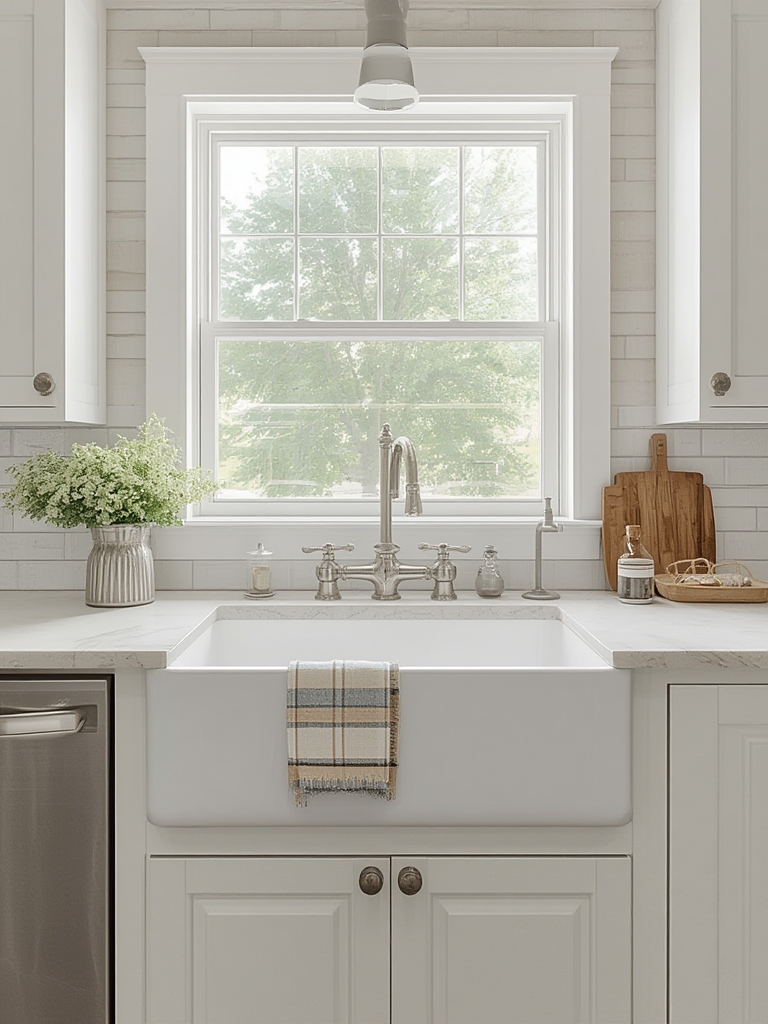
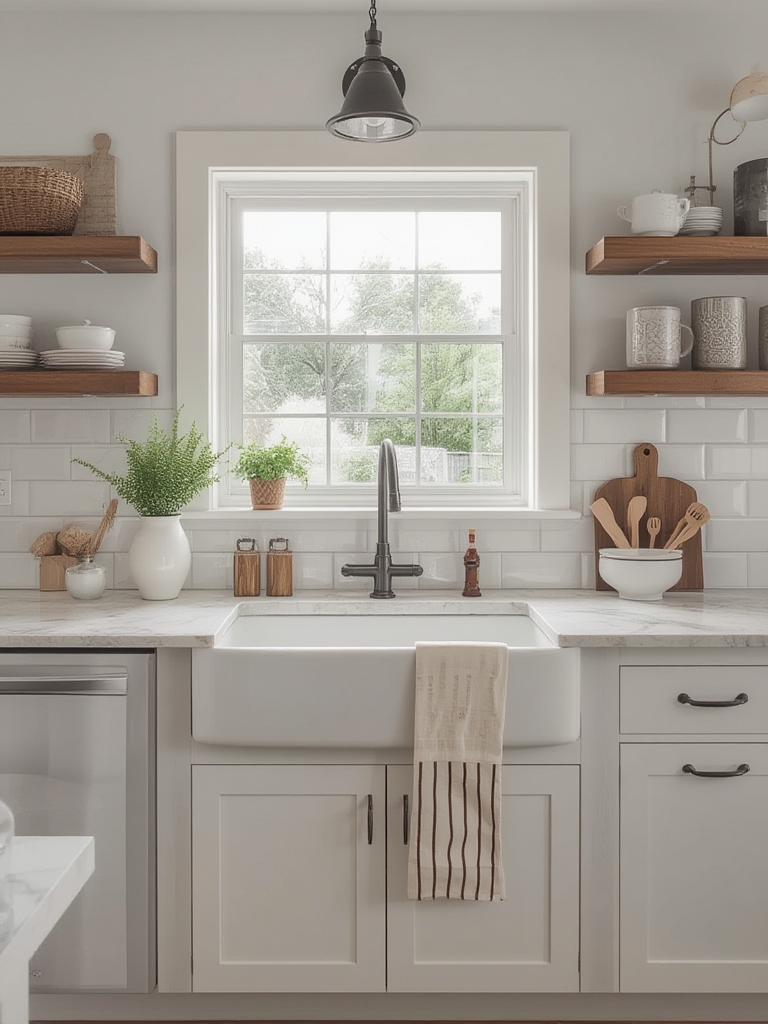
When it comes to creating a warm, inviting heart of the home, the farmhouse apron‑front kitchen sink is a timeless centerpiece that instantly adds character and charm. Pairing this classic feature with thoughtful décor and a touch of greenery can transform an ordinary kitchen into a cozy, functional sanctuary. Below you’ll find a data‑driven guide that walks you through styling the apron‑front sink, selecting the perfect plant, and caring for it so it thrives year after year.
Why the Apron‑Front Sink Remains a Top Choice
According to a 2023 Houzz survey, 62% of homeowners who renovated their kitchens chose a farmhouse aesthetic, and the apron‑front sink was the most requested fixture. Its deep basin, exposed front, and sturdy construction not only provide ample space for large pots and dishes but also serve as a visual anchor that balances modern appliances with rustic charm.
Key Benefits
- Functionality: The wide front makes loading and unloading pots effortless, reducing strain on the back.
- Durability: Typically crafted from fire‑clay, cast iron, or stainless steel, these sinks can last decades with proper care.
- Style Flexibility: Works equally well in traditional farmhouse, modern industrial, or eclectic interiors.
Step‑by‑Step Décor Blueprint
1. Choose a Cohesive Color Palette
Data from the 2022 Color Trends Report shows that muted earth tones (sage, warm gray, and soft ivory) dominate successful farmhouse kitchens, with a 15% increase in popularity over the past year. To complement the sink:
- Paint cabinets in a warm white or soft gray to let the sink stand out.
- Introduce a contrasting accent wall behind the sink in a muted sage or muted navy for depth.
- Use matte black or brushed brass hardware for a subtle industrial touch.
2. Add Functional Yet Stylish Accessories
Functionality should never compromise aesthetics. Here are three must‑have accessories:
- Apron‑Front Faucet: A pull‑down or bridge faucet in brushed nickel adds a sleek line while maintaining the farmhouse vibe.
- Dish Rack with Wooden Base: Opt for reclaimed wood to echo the rustic feel and keep dishes organized.
- Soap Dispenser & Cutting Board Set: Choose ceramic or enamel pieces in coordinating colors for a cohesive look.
3. Light the Space Effectively
Lighting influences both mood and functionality. According to the 2021 Lighting Design Index, 70% of homeowners report increased satisfaction when layered lighting is used. Implement the following:
- Ambient: Install a dimmable LED recessed light above the sink for even illumination.
- Task: Hang a pendant light with a warm amber hue directly over the sink to reduce shadows while cooking.
- Accent: Add under‑cabinet LED strips to highlight the countertop and make cleaning easier.
4. Integrate Greenery for Freshness
Plants not only soften the hard lines of a farmhouse kitchen but also improve indoor air quality. A 2020 study by NASA found that Spider Plant (Chlorophytum comosum) and Pothos (Epipremnum aureum) are among the top air‑purifying species, making them ideal companions for the apron‑front sink area.
Choosing the Right Plant for Your Kitchen
When selecting a plant, consider light exposure, humidity, and maintenance level. Below are three top picks that thrive in typical kitchen conditions:
1. Pothos (Epipremnum aureum)
- Light: Low to medium indirect light.
- Water: Allow soil to dry 1‑2 inches between waterings.
- Benefit: Excellent air purifier; trailing vines add visual interest.
2. Herbs (Basil, Parsley, Thyme)
- Light: 6‑8 hours of direct sunlight; a sunny windowsill works best.
- Water: Keep soil consistently moist but not soggy.
- Benefit: Fresh flavors at hand; aromatic scent enhances kitchen ambiance.
3. Snake Plant (Sansevieria trifasciata)
- Light: Tolerates low light; bright indirect light is ideal.
- Water: Water sparingly—once every 3‑4 weeks.
- Benefit: Low maintenance; releases oxygen at night.
Step‑by‑Step Care Guide for Your Kitchen Plant
Step 1: Assess Light Conditions
Use a simple light meter app on your phone or observe the shadow length at noon. If the area receives less than 3 hours of direct sunlight, choose low‑light tolerant plants like Pothos or Snake Plant.
Actionable tip: Position a small reflective tray behind the plant to bounce extra light onto the foliage.
Step 2: Choose the Right Pot and Soil
For herbs, select a pot with drainage holes and a well‑draining potting mix (e.g., 1 part peat, 1 part perlite, 1 part vermiculite). For trailing vines, a wider, shallow pot encourages horizontal growth.
Actionable tip: Add a layer of broken terra cotta shards at the bottom of the pot to improve aeration and prevent root rot.
Step 3: Water Wisely
Over‑watering is the most common mistake. Follow the “finger test”: insert your index finger about an inch into the soil; if it feels dry, water thoroughly until water drains from the bottom.
Actionable tip: Use a clear glass watering can so you can see the water level and avoid excess.
Step 4: Feed Periodically
During the growing season (spring‑early fall), apply a balanced liquid fertilizer (10‑10‑10) every 4‑6 weeks. Reduce feeding in winter when growth naturally slows.
Actionable tip: Dilute the fertilizer to half the recommended strength for indoor plants to prevent leaf burn.
Step 5: Prune and Harvest
Regular pruning encourages bushier growth and prevents legginess. For herbs, snip leaves just above a node; for Pothos, trim any yellowing vines to redirect energy to healthy growth.
Actionable tip: Keep a small pair of scissors on the countertop near the sink for quick, on‑the‑spot trimming.
Step 6: Monitor for Pests
Common indoor pests include spider mites and aphids. Inspect leaves weekly for tiny webs or sticky residue.
Actionable tip: A quick spray of diluted neem oil (1 teaspoon per quart of water) every two weeks can keep pests at bay without harming the plant.
Putting It All Together: A Cohesive Kitchen Scene
Now that you have the décor framework and plant care routine, visualize the final setup:
- Sink Area: A white fire‑clay apron‑front sink with a brushed nickel bridge faucet.
- Backsplash: Light gray subway tiles with a subtle herringbone pattern for texture.
- Countertop: Reclaimed wood or butcher block to echo the farmhouse vibe.
- Green Touch: A medium‑sized Pothos in a woven basket perched on the edge of the countertop, trailing gently over the sink’s front.
- Lighting: A warm pendant light above the sink and under‑cabinet LEDs highlighting the workspace.
- Functional Accents: Ceramic soap dispenser, wooden cutting board, and a small herb garden in matching pots for fresh cooking ingredients.
Final Checklist for Success
- Confirm color palette aligns with the farmhouse aesthetic (muted earth tones).
- Install layered lighting (ambient, task, accent).
- Select a plant suited to your kitchen’s light and humidity.
- Follow the water, feed, and prune schedule consistently.
- Inspect weekly for pests and adjust care as needed.
By integrating these data‑backed design choices with a simple, repeatable plant‑care routine, you’ll create a farmhouse apron‑front sink area that is not only visually stunning but also alive with fresh greenery. The result is a kitchen that feels welcoming, functional, and effortlessly stylish—exactly the heart of the home every homeowner dreams of.