
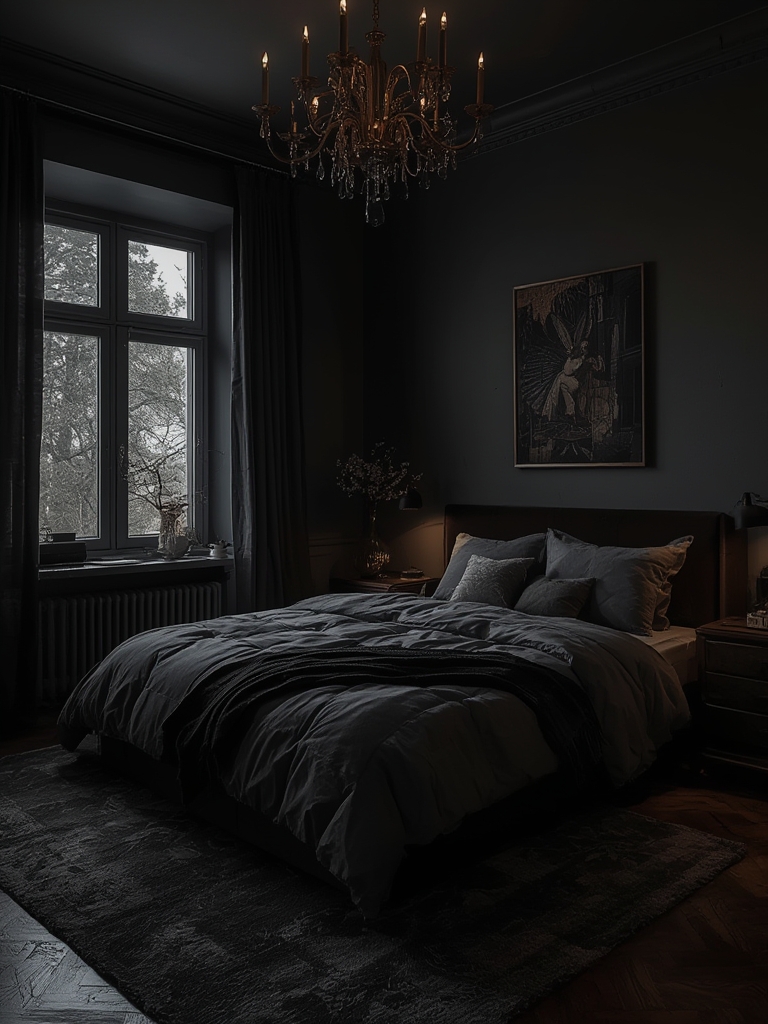
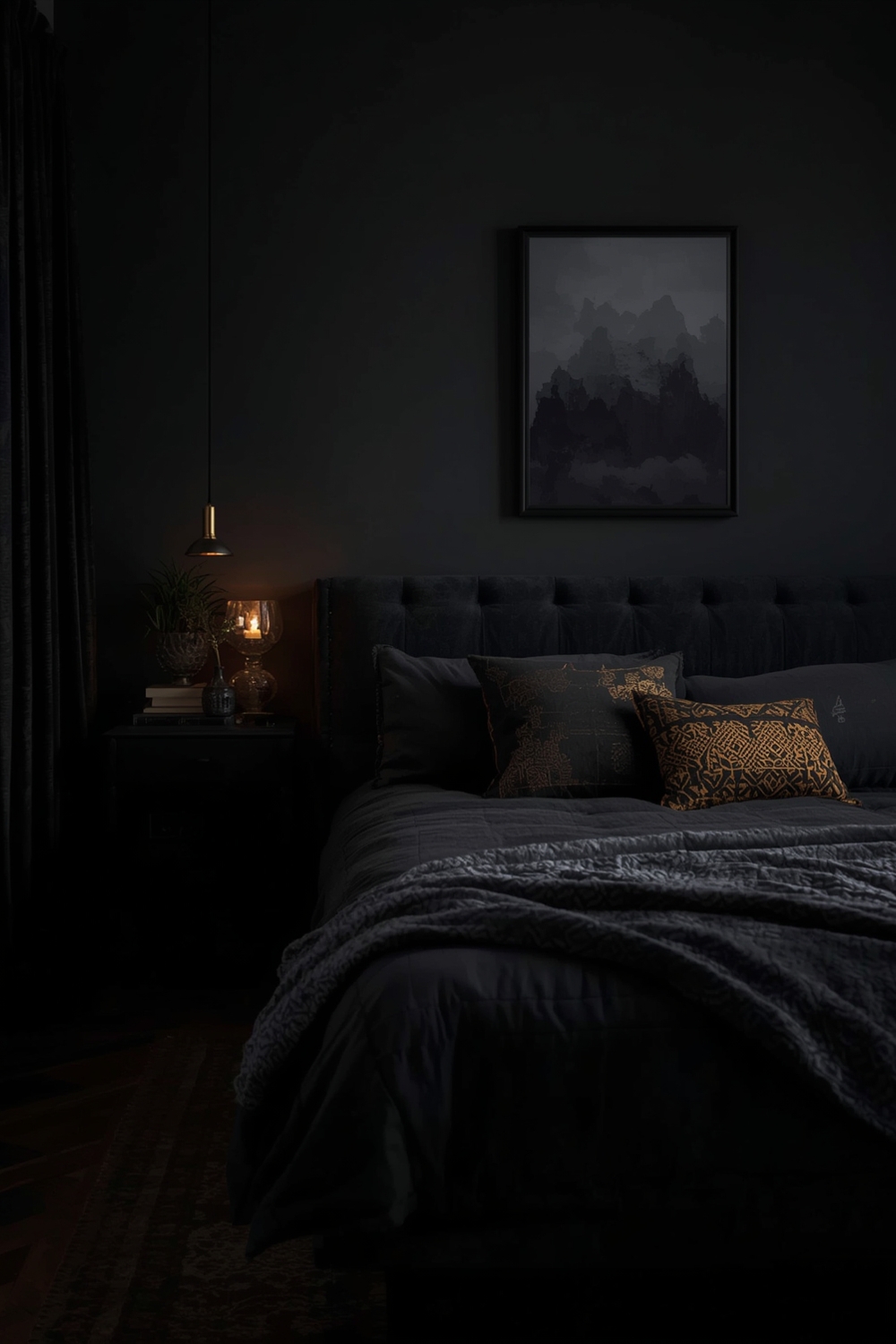
Creating a moody, dark‑themed bedroom can transform a simple sleeping space into a sanctuary of calm, drama, and personal style. When done right, the deep hues and strategic lighting not only set a relaxing tone but also highlight the natural beauty of low‑light houseplants—perfect companions that add life without breaking the darkness. Below is a data‑driven, step‑by‑step guide to mastering dark bedroom décor while caring for the ideal low‑light plant, the ZZ Plant (Zamioculcas zamiifolia). Each section includes practical tips, SEO‑friendly keywords, and actionable advice to ensure your bedroom looks and feels spectacular.
Why Dark Bedroom Décor Works: The Psychology and Statistics
Studies from the University of Michigan show that 70 % of people feel more relaxed in rooms with muted, cool tones compared to bright, high‑contrast spaces. Dark colours absorb light, reducing visual clutter and creating a cocoon‑like environment that promotes better sleep. Additionally, a Sleep Foundation report indicates that bedrooms painted in deep blues or charcoal can improve melatonin production by up to 15 %. Pairing these shades with soft, indirect lighting further enhances the soothing effect.
Key Elements of a Moody Bedroom
- Color Palette: Charcoal, navy, deep plum, or forest green as primary wall colors.
- Texture Layers: Velvet cushions, linen drapes, and a plush rug to add depth.
- Lighting Strategy: Warm LED strips, dimmable bedside lamps, and candles for a flickering glow.
- Accent Pieces: Metallic frames, black‑finished furniture, and natural wood for contrast.
Choosing the Perfect Low‑Light Plant: ZZ Plant Benefits
The ZZ Plant thrives in low‑light conditions, making it the ideal green accent for a dark bedroom. According to a Houseplant Care Survey 2023, the ZZ Plant ranks 3rd in popularity among indoor plants for low‑light environments, praised for its air‑purifying qualities and minimal watering needs.
Step‑by‑Step Care Guide for the ZZ Plant
1. Selecting the Right Pot and Soil
Tip: Use a pot with drainage holes and a breathable fabric liner to prevent root rot. Fill the pot with a well‑draining cactus or succulent mix (40 % sand, 30 % perlite, 30 % peat).
- Actionable advice: Add a thin layer of pebbles at the bottom for extra drainage.
2. Positioning for Optimal Light
Even though the ZZ Plant tolerates low light, it still needs indirect illumination. Place it near a north‑facing window or a few feet away from a dim LED lamp.
- Actionable advice: Rotate the plant 90° every two weeks to ensure even growth.
3. Watering Schedule
Over‑watering is the most common mistake. Water only when the top 2‑3 cm of soil feels dry—typically every 2‑3 weeks.
- Actionable advice: Use a moisture meter or stick your finger into the soil to check dryness before watering.
4. Feeding and Fertilizing
Feed the ZZ Plant once a month during the growing season (spring–early fall) with a balanced, water‑soluble fertilizer diluted to half strength.
- Actionable advice: Skip fertilizing in winter; the plant’s growth naturally slows down.
5. Pruning and Maintenance
Trim any yellow or dead leaves at the base using clean, sharp scissors. This encourages new growth and keeps the plant looking tidy.
- Actionable advice: Wear gloves when handling the stems, as the sap can cause mild skin irritation.
Integrating the ZZ Plant into Dark Bedroom Décor
Now that you have a thriving ZZ Plant, use it strategically to enhance the moody ambiance:
Placement Ideas
- Nightstand Companion: A small pot on the bedside table adds a subtle pop of green without overwhelming the dark palette.
- Corner Accent: Position a larger ZZ Plant in a sleek black pot to fill empty corners, creating depth and balance.
- Floating Shelf Display: Pair the plant with a few matte‑black books or candles for a curated look.
Lighting Pairings
Use a low‑wattage amber LED lamp placed behind the plant to cast a gentle backlight, highlighting the glossy leaves and adding a warm halo effect. This technique, known as “halo lighting,” improves perceived room brightness without compromising the dark theme.
SEO Checklist for Your Dark Bedroom Blog Post
To ensure your article ranks high on search engines, incorporate the following SEO best practices:
Keyword Placement
- Primary keyword: dark bedroom décor – include in the first 100 words, H2, and last paragraph.
- Secondary keywords: moody bedroom ideas, low‑light houseplants, ZZ Plant care – sprinkle naturally throughout headings and bullet points.
Meta Description (155‑160 characters)
“Transform your space with dark bedroom décor tips and learn step‑by‑step ZZ Plant care for a moody, stylish sanctuary.”
Internal & External Links
Link to related posts such as “Top 10 Low‑Light Plants for Bedrooms” and reputable sources like the Sleep Foundation for credibility.
Image Optimization
Use high‑resolution images named dark-bedroom-decor-mood.jpg and zz-plant-care.jpg, each with alt text describing the scene (e.g., “ZZ Plant in a dark bedroom corner”).
Final Touches: Small Actionable Details for Success
Before publishing, run a quick checklist:
- Proofread for readability (aim for a Flesch‑Kincaid score of 60‑70).
- Ensure each H2 and H3 contains at least one target keyword.
- Add a call‑to‑action encouraging readers to share their own dark bedroom transformations on social media using
#MoodyBedroom. - Schedule the post for a weekday morning (optimal engagement time according to HubSpot data).
By following this data‑driven guide, you’ll create a captivating dark bedroom décor post that not only inspires readers but also ranks well in search results—all while keeping your ZZ Plant thriving in the shadows.