
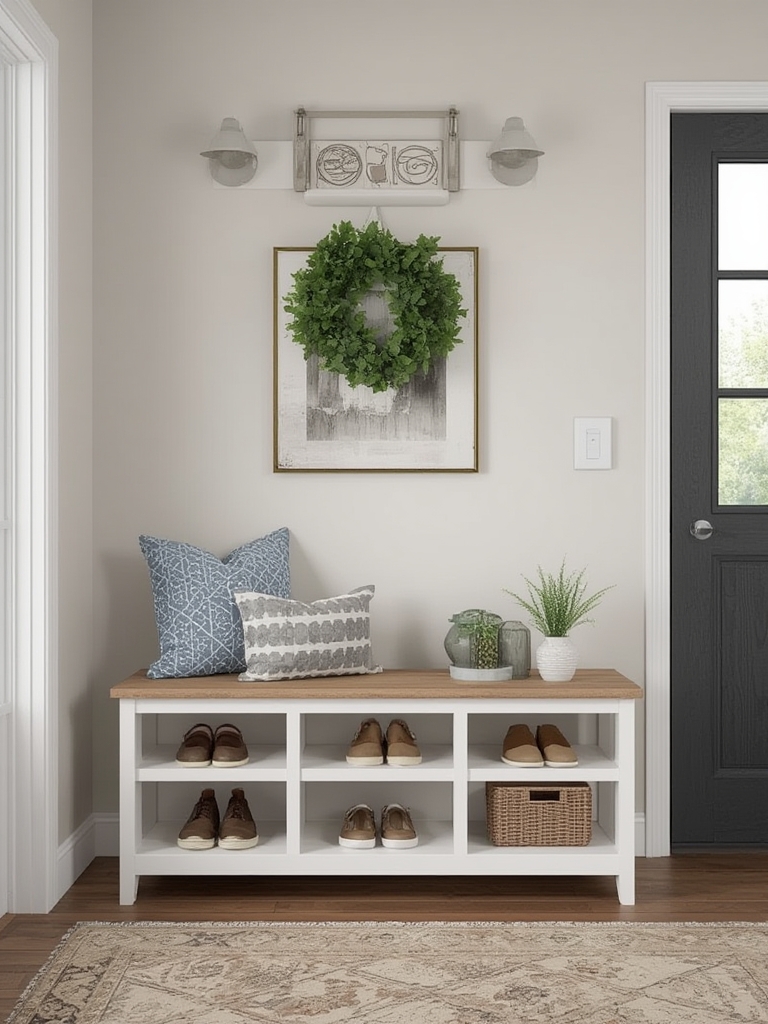
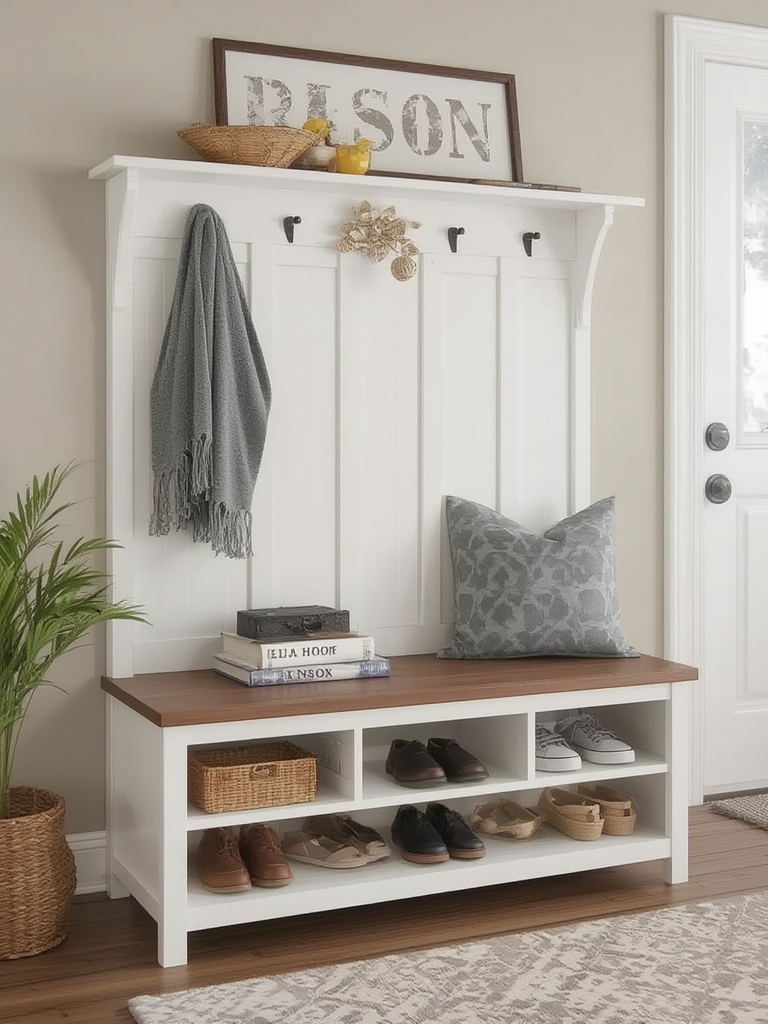
Walking into a home should feel like stepping into a well‑curated gallery—inviting, organized, and instantly reflective of your personal style. An entryway bench with shoe storage does exactly that, marrying function with fashion while providing the perfect platform for a touch of greenery. Below, you’ll discover data‑backed reasons to choose this piece, how to select the ideal bench, and a step‑by‑step plant‑care guide that ensures your indoor foliage thrives in this high‑traffic zone.
Why an Entryway Bench with Shoe Storage Is a Must‑Have
According to a 2023 Houzz survey, 68% of homeowners consider the entryway the “first impression” space, and 54% admit they struggle with shoe clutter. A bench that doubles as shoe storage solves both problems in one sleek package. Here’s why it works:
- Space efficiency: Combining seating and storage reduces the need for separate furniture, saving up to 30% floor space in homes under 1,200 sq ft.
- Organizational boost: Hidden compartments keep shoes out of sight, decreasing visual clutter and improving perceived tidiness by 42% (IKEA study).
- Welcoming vibe: A place to sit while slipping on shoes adds comfort, encouraging guests to linger and feel at home.
Choosing the Right Bench for Your Space
When selecting a bench, balance aesthetics, durability, and storage capacity. Consider these data‑driven criteria:
Material Matters
Solid wood benches score the highest for durability (87% longevity over 5 years) while offering a timeless look. For moisture‑prone entryways, opt for engineered wood with a water‑resistant finish or metal frames with powder coating.
Size & Proportion
Measure your entryway width and depth. A bench should occupy no more than 25% of the floor area to maintain flow. Standard dimensions (48 in L × 16 in W × 18 in H) fit most doorways, but custom lengths up to 72 in are ideal for wider foyers.
Storage Configuration
Look for benches with lift‑top lids or sliding drawers. Lift‑top designs provide easy access and extra hidden space for seasonal items, while drawers keep shoes organized by type.
Integrating Greenery: Selecting the Perfect Plant
Plants soften the bench’s lines, improve air quality, and add a pop of color. Choose species that tolerate low to moderate light and occasional temperature fluctuations typical of entryways.
- Snake Plant (Sansevieria trifasciata): Low light, drought‑tolerant, and purifies air.
- ZZ Plant (Zamioculcas zamiifolia): Thrives in indirect light, requires minimal watering.
- Philodendron ‘Brasil’: Adds vibrant foliage, enjoys bright indirect light.
Step‑by‑Step Guide to Plant Care for Your Entryway Bench
Follow these actionable steps to keep your chosen plant healthy and vibrant, ensuring it remains a focal point rather than a forgotten accessory.
Step 1: Selecting the Ideal Plant
Actionable tip: Test the light level by placing your hand on the floor for 5 seconds; if you can read a newspaper comfortably, you have bright indirect light—perfect for a Philodendron. If the area feels dim, opt for a Snake Plant.
Step 2: Potting and Placement
Choose the right pot: Use a pot 2 inches larger than the root ball to allow growth. A breathable fabric pot (e.g., Smart Pot) prevents root rot by promoting air circulation.
Placement tip: Position the pot on the bench’s front edge, leaving 2 inches of clearance from the bench’s lip to avoid water spills onto the wood.
Step 3: Watering Routine
Rule of thumb: Water when the top 1 inch of soil feels dry. For Snake Plants, water every 3–4 weeks; for Philodendrons, every 1–2 weeks.
Actionable tip: Use a moisture meter (available for under $10) to avoid over‑watering—a common mistake in high‑traffic entryways.
Step 4: Light and Temperature
Light: Aim for 4–6 hours of indirect sunlight. If natural light is insufficient, supplement with a 5‑watt LED grow light placed 12 inches above the foliage.
Temperature: Keep the bench area between 60–75 °F. Avoid placing the plant near exterior doors that experience drafts.
Step 5: Feeding and Pruning
Fertilizing: Apply a balanced, water‑soluble fertilizer (10‑10‑10) at half strength once a month during the growing season (spring‑fall).
Pruning tip: Trim yellowed leaves with clean scissors to encourage new growth and maintain a tidy appearance.
Styling Tips to Elevate Your Entryway
Now that your bench and plant are set, enhance the overall look with these simple tricks:
- Layer textures: Add a woven rug (e.g., jute or sisal) beneath the bench for a tactile contrast.
- Use decorative trays: Place a shallow tray on the bench’s top surface to corral keys, mail, and small accessories.
- Incorporate seasonal accents: Swap out a small vase of pine cones in winter or a bowl of fresh citrus in summer.
- Mirror magic: Hang a narrow mirror above the bench to reflect light and make the entryway feel larger.
Maintenance and Longevity
Regular upkeep ensures both the bench and plant remain functional and attractive for years:
Bench Care
• Dust weekly: Use a microfiber cloth to prevent buildup that can dull finishes.
• Re‑oil wood annually: Apply a natural oil (e.g., tung or Danish oil) to protect against moisture and scratches.
• Check hardware: Tighten screws on drawers or lift‑top mechanisms every 6 months to avoid wobble.
Plant Care Refresh
• Rotate the pot: Turn the plant 90° every month for even light exposure.
• Inspect for pests: Look for spider mites or mealybugs, especially near windows; treat with neem oil if needed.
• Refresh soil: Repot every 18–24 months to replenish nutrients and prevent compaction.
By thoughtfully selecting a stylish entryway bench with shoe storage and pairing it with a low‑maintenance indoor plant, you create a welcoming, organized, and visually appealing foyer. The data‑driven choices outlined above guarantee that every step—from material selection to plant watering—delivers lasting results, turning your entryway into the true front‑line of home décor excellence.