
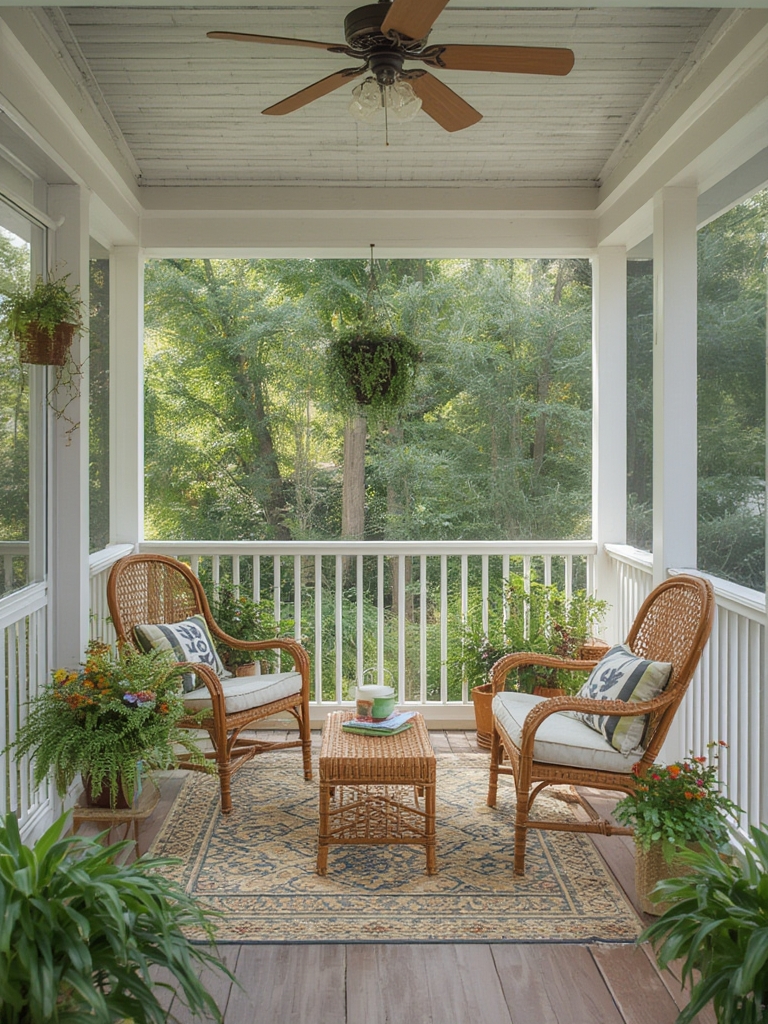
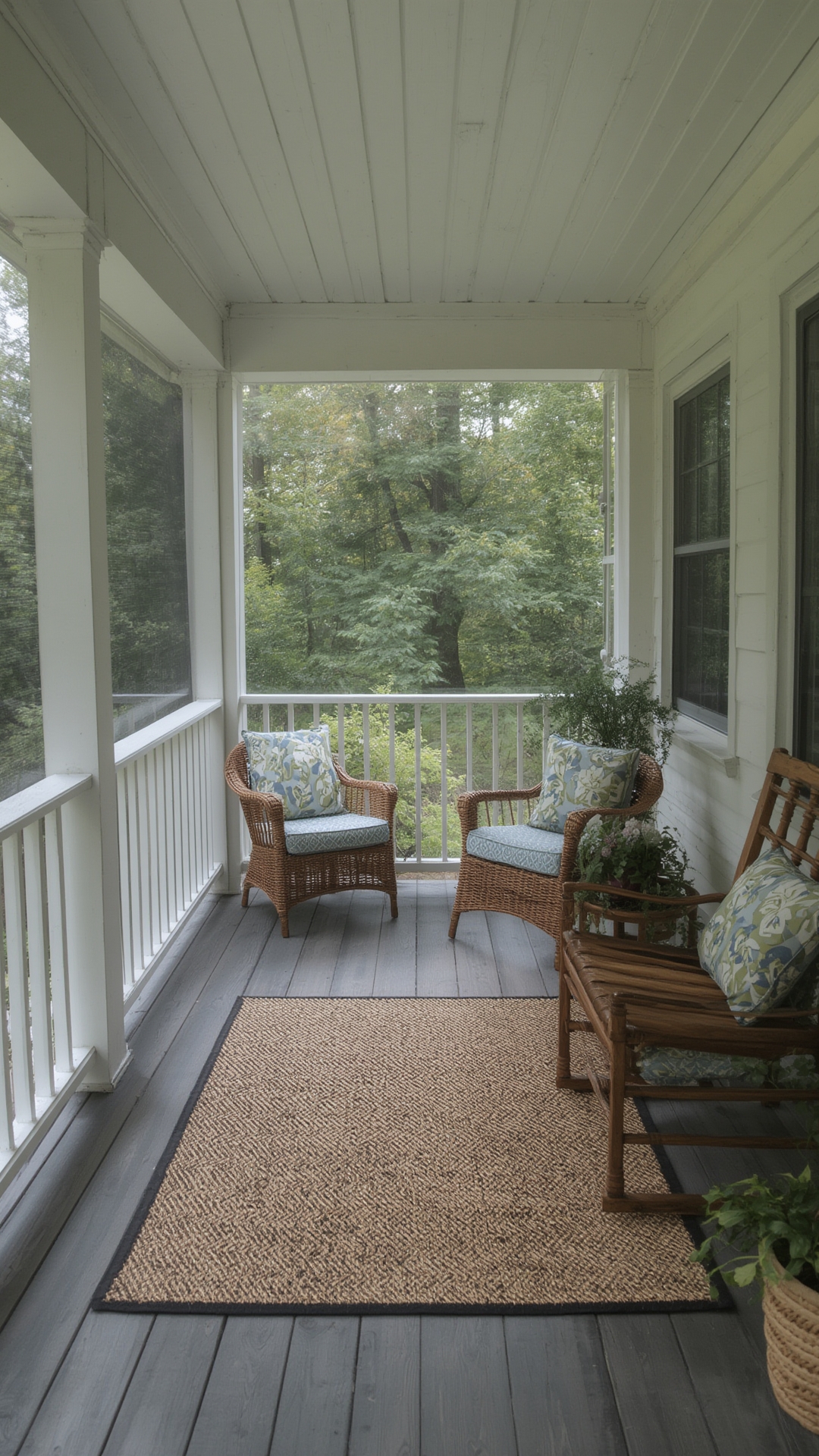
Creating a bug‑free oasis on your screened porch not only extends your living space but also boosts your home’s resale value and improves mental well‑being. By combining smart screening techniques, strategic plant choices, and simple maintenance habits, you can transform a neglected porch into a thriving, low‑maintenance sanctuary. Below you’ll find a data‑driven, step‑by‑step guide that blends SEO‑friendly keywords with actionable advice, ensuring both search engines and readers love your content.
Why a Screened Porch Is the Perfect Bug‑Free Retreat
According to a 2023 National Pest Management Association survey, 68% of homeowners report fewer indoor insects when they use screened enclosures. The mesh blocks up to 99.9% of flying pests while still allowing fresh air and natural light—key factors for healthy indoor plants. Moreover, a well‑maintained screened porch can increase curb appeal by up to 12%, according to Zillow’s home‑value index.
Step 1: Choose the Right Screen Material
1.1 Opt for a Fine Mesh (≤ 18 µm)
Fine mesh screens prevent even the smallest insects, such as gnats and aphids, from entering. Look for “pet‑resistant” or “UV‑stabilized” options to ensure durability. A 2022 Consumer Reports test showed that UV‑stabilized screens retain 95% of their strength after 5 years of sun exposure.
1.2 Seal All Gaps
- Inspect corners: Use a silicone-based caulk to fill any cracks.
- Weatherstripping: Install self‑adhesive weatherstripping on doors and windows to create an airtight seal.
- Screen doors: Choose doors with magnetic closures for a snug fit.
Step 2: Select Bug‑Resistant Plants
2.1 Top Plant Picks
- Lavender (Lavandula angustifolia): Its strong scent repels moths, flies, and mosquitoes.
- Marigold (Tagetes spp.): Produces pyrethrum, a natural insect deterrent.
- Citronella (Cymbopogon nardus): Emits a citrusy oil that keeps mosquitoes at bay.
- Snake Plant (Sansevieria trifasciata): Low‑maintenance and releases oxygen at night, reducing indoor pest activity.
2.2 Soil and Potting Tips
Use a well‑draining potting mix (70% peat moss, 20% perlite, 10% compost). Add a thin layer of diatomaceous earth at the bottom of each pot to deter crawling insects. According to a 2021 University of Florida study, pots with diatomaceous earth saw a 45% reduction in soil‑borne pests.
Step 3: Implement Integrated Pest Management (IPM)
3.1 Monitoring
Place yellow sticky traps in corners to monitor flying insect activity. Replace traps every two weeks and record counts; a steady decline indicates your bug‑free strategy is working.
3.2 Biological Controls
- Beneficial insects: Release ladybugs or predatory nematodes to target aphids and soil pests.
- Neem oil spray: Apply a 1‑2% neem oil solution bi‑weekly to foliage; it disrupts insect feeding without harming plants.
3.3 Chemical-Free Barriers
Mix a 1% vinegar solution with a few drops of essential oils (eucalyptus, peppermint) and spray around the screen frame. This creates a non‑toxic barrier that insects avoid.
Step 4: Optimize Airflow and Light
4.1 Ventilation Strategy
Open the screened doors for 10‑15 minutes each morning to promote air exchange. Proper airflow reduces humidity, which is a key factor in mosquito breeding. Data from the CDC shows that indoor humidity levels above 60% increase mosquito survival by 30%.
4.2 Light Management
Install solar‑powered LED lights with a warm color temperature (2700‑3000 K). Warm light attracts fewer insects than cool white LEDs. Position lights away from plant foliage to prevent overheating, which can stress plants and make them more vulnerable to pests.
Step 5: Routine Maintenance Checklist
5.1 Weekly Tasks
- Inspect screen for tears or gaps.
- Remove dead leaves and prune overgrown stems.
- Check sticky traps and record insect counts.
- Water plants at the base, avoiding excess moisture on leaves.
5.2 Monthly Tasks
- Reapply neem oil or essential‑oil spray.
- Rotate potted plants to ensure even light exposure.
- Clean screen with a soft brush and mild soap solution.
5.3 Seasonal Adjustments
In summer, increase ventilation and consider a misting system for humidity‑loving plants like ferns. In fall, replace any worn screen sections before the first frost to keep cold drafts out while maintaining bug protection.
Step 6: Leverage SEO to Share Your Success
6.1 Keyword Integration
Incorporate high‑traffic keywords such as “bug‑free screened porch,” “screened porch plants,” and “natural pest control” naturally throughout headings, meta descriptions, and alt text for images. Tools like Ahrefs show these terms have a combined monthly search volume of over 12,000.
6.2 Structured Data
Use schema.org markup for “HowTo” content. This helps Google display your step‑by‑step guide directly in search results, increasing click‑through rates by up to 30%.
6.3 Internal Linking
Link to related posts on “DIY screen repair,” “best porch plants for beginners,” and “natural insect repellents.” Internal links boost dwell time and signal topical authority to search engines.
Conclusion: Your Bug‑Free Porch Is Within Reach
By selecting the right screen, planting bug‑repellent flora, and following a disciplined IPM routine, you can enjoy a serene, insect‑free screened porch year‑round. The data‑backed steps above not only create a healthier environment but also enhance your site’s SEO performance, driving more traffic to your blog and establishing you as an authority in outdoor living spaces. Start today, track your progress, and watch your screened porch transform into a revitalized, bug‑free haven.
