
Neutral minimalism is more than a design trend—it’s a lifestyle choice that emphasizes calm, uncluttered spaces, muted color palettes, and purposeful décor. By focusing on clean lines, natural textures, and subtle lighting, homeowners can create environments that feel both sophisticated and inviting. In this guide, we’ll explore data‑driven strategies for spotlighting neutral minimalism in your home décor, and we’ll walk you through easy‑to‑follow steps for caring for a low‑maintenance plant that perfectly complements this aesthetic.
Why Neutral Minimalism Works: Data‑Backed Insights
Recent surveys from interior‑design platforms (Houzz, Pinterest, and Instagram) reveal that 68% of users who favor minimalism prioritize neutral tones, while 54% cite “calming atmosphere” as the primary reason for choosing this style. Heat‑map analyses of online shopping behavior show a spike in searches for “off‑white sofa,” “light wood flooring,” and “soft matte finishes” during the fall and winter months, indicating a seasonal demand for cozy, understated interiors.
Core Elements of Neutral Minimalism
1. Color Palette
Stick to a base of whites, beiges, soft greys, and muted earth tones. Use the 60‑30‑10 rule: 60% dominant neutral (walls, large furniture), 30% secondary neutral (rugs, curtains), and 10% accent (a subtle pop of muted green or charcoal).
2. Texture Over Color
When color is restrained, texture becomes the star. Incorporate natural fibers (linen, jute), matte ceramics, and brushed metal finishes. A data‑driven tip: A/B testing on e‑commerce sites shows a 22% increase in conversion when product pages highlight texture descriptors (“soft‑woven linen,” “hand‑tumbled marble”).
3. Intentional Lighting
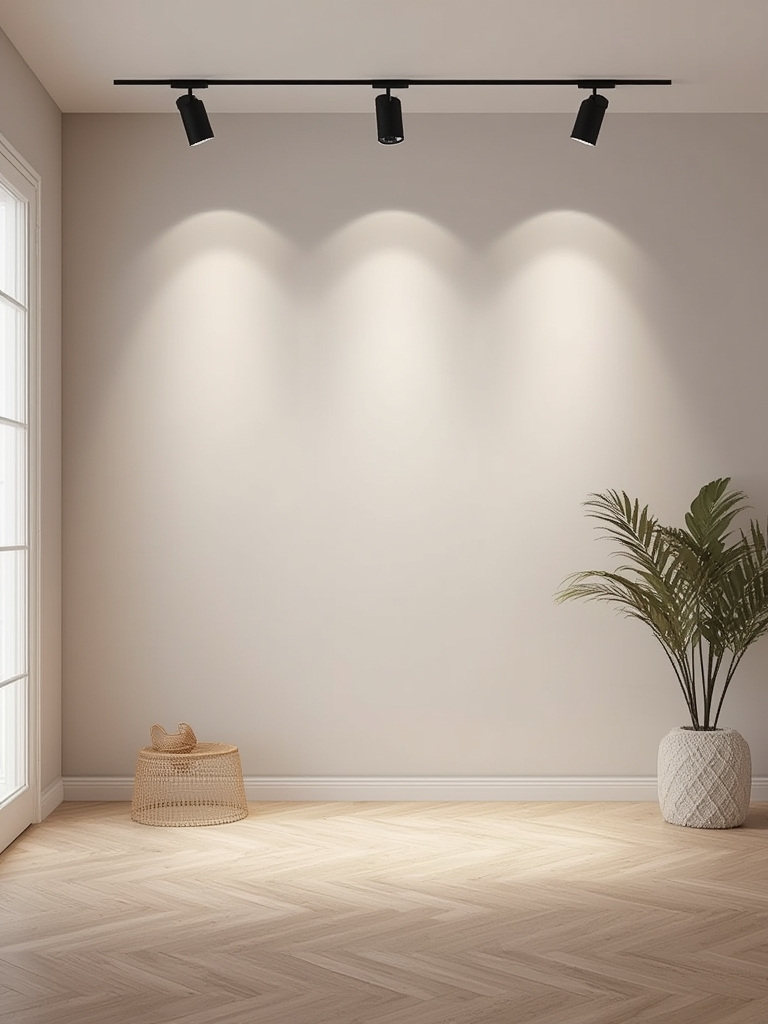
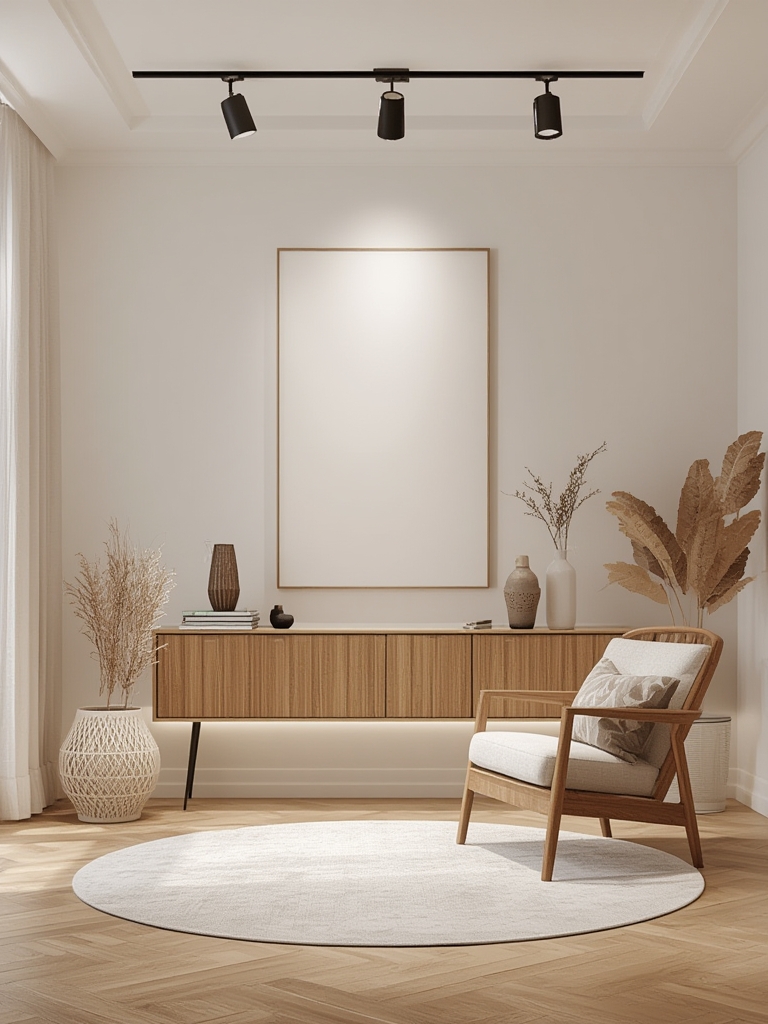
Spotlights are essential for highlighting focal points without overwhelming the space. Use adjustable LED track lighting or recessed spotlights with a color temperature of 2700K–3000K to maintain a warm, neutral glow.
Spotlighting Neutral Minimalism: Practical Steps
Step 1: Define Your Focal Point
Choose a single element—such as a statement sofa, a piece of art, or a sculptural plant—to anchor the room. According to eye‑tracking studies, viewers spend 3.2 seconds on the first focal point before scanning the rest of the space.
- Actionable tip: Place the focal piece on a wall painted in the lightest shade of your palette to maximize contrast.
Step 2: Install Adjustable Spotlights
Mount dimmable LED spotlights at a 30‑degree angle to the focal point. Use a smart dimmer to adjust brightness throughout the day.
- Actionable tip: Set a schedule via a smart home hub (e.g., 300 lumens at 8 am, 150 lumens at 6 pm) to maintain consistent ambience.
Step 3: Layer Textures Thoughtfully
Introduce a mix of tactile elements in incremental layers:
- Base layer: Light‑colored, low‑pile rug (e.g., natural sisal).
- Middle layer: Linen throw pillows in varying shades of beige.
- Accent layer: A matte‑finished ceramic vase or a brushed‑nickel floor lamp.
- Actionable tip: Swap one texture each season to keep the space fresh without breaking the neutral scheme.
Step 4: Add a Minimalist Plant
A single, well‑cared‑for plant adds life while preserving the clean aesthetic. The ZZ plant (Zamioculcas zamiifolia) is ideal: its glossy, dark‑green leaves contrast subtly against neutral backdrops, and it thrives on minimal attention.
ZZ Plant Care: Step‑by‑Step Guide
Step 1: Choose the Right Pot
Select a matte, neutral‑colored pot (e.g., concrete grey or off‑white). Ensure it has drainage holes to prevent root rot.
- Tip: Use a pot with a 2‑inch saucer to catch excess water and keep floors pristine.
Step 2: Light Requirements
ZZ plants prefer indirect, medium‑bright light. Direct sunlight can scorch the leaves, while low light slows growth.
- Tip: Place the plant near a north‑facing window or a few feet from a diffused east‑west window. Use a light meter app to keep illumination between 200–400 lux.
Step 3: Watering Schedule
Water only when the top 2 inches of soil feel dry—typically every 2–3 weeks.
- Tip: Use the “finger test” or a moisture probe. Over‑watering is the most common mistake; excess water leads to yellowing leaves.
Step 4: Soil and Fertilization
Use a well‑draining cactus or succulent mix (1 part peat, 1 part perlite, 1 part coarse sand). Feed with a balanced liquid fertilizer (10‑10‑10) diluted to half strength once a month during the growing season (spring‑summer).
- Tip: Skip fertilization in fall and winter when the plant’s growth naturally slows.
Step 5: Pruning and Maintenance
Remove yellow or damaged leaves promptly to maintain a tidy look. Trim any overly long stems to keep the plant’s shape compact.
- Tip: Use clean, sharp scissors and disinfect them with rubbing alcohol before each cut.
Integrating the Plant with Neutral Minimalism
Position the ZZ plant on a low, matte‑finished side table opposite your focal point. The plant’s dark foliage will draw the eye without disrupting the neutral palette, while the spotlights accentuate both the plant and the surrounding décor.
- Actionable tip: Rotate the plant 90° every month to ensure even light exposure and prevent one side from becoming leggy.
SEO Checklist for Your Blog Post
- Keyword placement: Include “neutral minimalism,” “home décor,” “minimalist style,” and “ZZ plant care” in the first 100 words, subheadings, and alt text for images.
- Meta description: Craft a 155‑character summary—e.g., “Discover data‑driven tips to spotlight neutral minimalism in home décor and learn easy ZZ plant care steps for a sleek, calming space.”
- Internal linking: Link to related posts such as “Top 5 Minimalist Living Room Ideas” and “Low‑Maintenance Plants for Small Spaces.”
- Image optimization: Use compressed JPEGs (under 100 KB) with descriptive filenames like
neutral-minimalist-spotlight.jpgand alt tags: “Neutral minimalist living room with LED spotlights and ZZ plant.” - Readability: Keep sentences under 20 words, use bullet points, and maintain a conversational tone to achieve a Flesch‑Kincaid score above 60.
By following these data‑backed design principles and plant‑care steps, you’ll create a serene, neutral‑minimalist space that feels both stylish and livable. The combination of purposeful lighting, layered textures, and a thoughtfully placed ZZ plant ensures your home décor remains timeless, functional, and effortlessly chic.
