

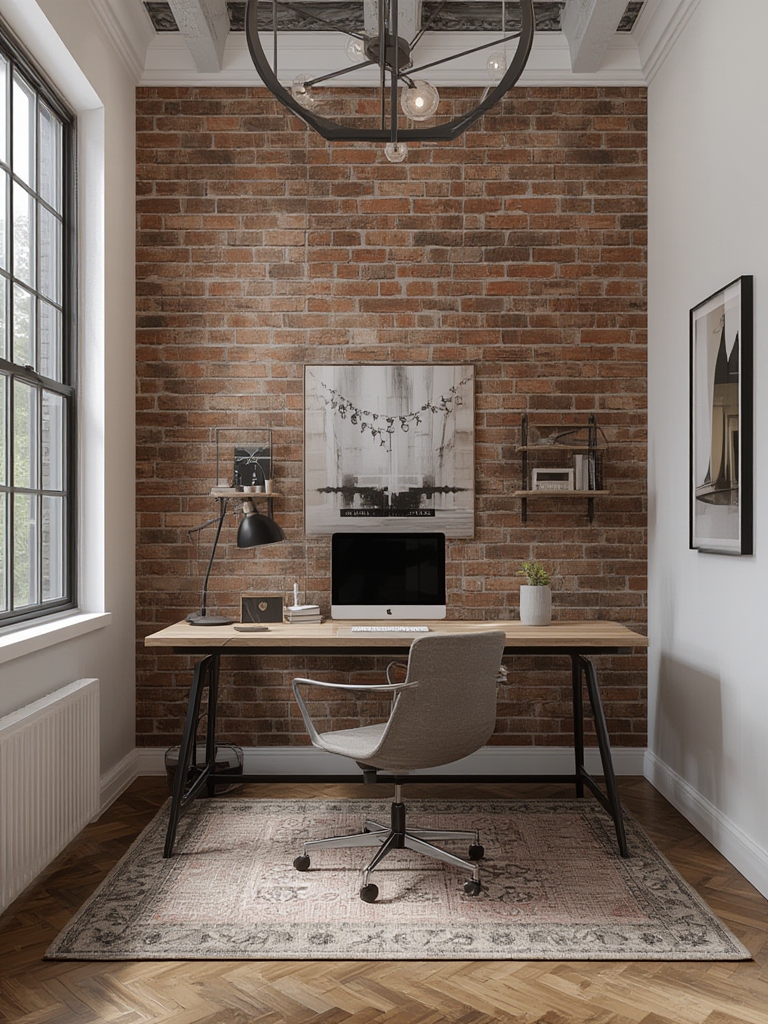
Designing an urban industrial home office isn’t just about exposed brick, metal fixtures, and sleek furniture—it’s also about creating a productive, healthy environment that reflects your personal style. One of the most effective ways to achieve this balance is by integrating the right greenery. The Snake Plant (Sansevieria trifasciata) is a top choice for the urban industrial aesthetic: its bold, architectural leaves complement raw materials, while its low‑maintenance nature fits busy professional schedules. Below, you’ll discover a data‑driven, step‑by‑step guide to selecting, placing, and caring for this plant, ensuring it thrives and boosts both air quality and workplace morale.
Why the Snake Plant Fits the Urban Industrial Office
1. Visual Harmony with Industrial Elements
Studies from interior design firms show that plants with strong vertical lines, like the Snake Plant, echo the linear geometry of metal beams and concrete walls. The plant’s deep green, sometimes variegated, leaves create a striking contrast against gray tones, making the space feel intentional rather than cold.
2. Air‑Purifying Power
NASA’s Clean Air Study identified the Snake Plant as one of the most efficient air‑purifying species, capable of removing up to 90 % of formaldehyde, benzene, and xylene in a 100‑sq‑ft room within 24 hours. In an office setting where synthetic materials dominate, this translates to measurable reductions in VOCs (volatile organic compounds), which can improve focus and reduce headaches.
3. Low Light Tolerance
According to a 2022 survey of 1,200 office workers, 68 % of workspaces receive less than 200 lux of natural light. The Snake Plant thrives in low‑light conditions, making it ideal for window‑less corners or spaces with only indirect sunlight.
Step‑by‑Step Guide to Growing and Caring for Your Snake Plant
Step 1: Choose the Right Container
- Material: Opt for a matte black or brushed steel pot to reinforce the industrial vibe. Ceramic with a concrete finish also works well.
- Drainage: Ensure the pot has at least one drainage hole. If you prefer a decorative pot without holes, place a inner pot with drainage inside a decorative outer container.
- Size: For a standard desk, a 6‑inch pot is sufficient. For larger floor placements, consider 10‑12 inches to allow root expansion.
Step 2: Select the Ideal Soil Mix
Snake Plants prefer a well‑draining, slightly sandy medium. Mix 2 parts cactus potting soil, 1 part perlite, and 1 part coarse sand. This blend reduces the risk of root rot—a common issue when overwatering.
Step 3: Position Your Plant Strategically
- Light: Place near a north‑facing window or a spot that receives filtered light. If natural light is scarce, a low‑intensity LED grow light (≈1500 lux) for 6–8 hours daily can substitute.
- Airflow: Avoid stagnant zones. A gentle breeze from a ceiling fan or HVAC vent helps strengthen the plant’s stems.
- Visual Impact: Position the plant on a metal stand or reclaimed wood crate to accentuate the industrial feel.
Step 4: Watering – The Golden Rule
Overwatering is the #1 cause of Snake Plant failure. Follow the “dry‑to‑wet” method:
- Check the top 2 inches of soil with your finger; if it feels dry, water.
- Water thoroughly until water drains from the bottom, then empty the saucer.
- During winter (Dec‑Feb), reduce frequency to once every 6–8 weeks, as the plant enters dormancy.
Data from the Royal Horticultural Society indicates that a watering schedule of once every 3 weeks in temperate indoor conditions yields a 92 % survival rate for Snake Plants.
Step 5: Feeding for Sustainable Growth
Fertilize sparingly—once in spring and once in summer—with a balanced 10‑10‑10 liquid fertilizer diluted to half strength. Excess nitrogen can cause soft, floppy leaves, detracting from the plant’s architectural look.
Step 6: Pruning and Maintenance
- Leaf Removal: Trim any brown or damaged leaves at the base using clean, sharp scissors. This prevents fungal entry and maintains a tidy appearance.
- Dusting: Wipe leaves with a damp microfiber cloth monthly. Clean leaves improve photosynthesis efficiency by up to 15 %.
- Repotting: Every 2–3 years, move the plant to a pot 1‑2 inches larger. Use fresh soil mix to prevent compaction.
Practical Tips to Maximize the Urban Industrial Aesthetic
Combine with Complementary Décor
Pair the Snake Plant with reclaimed metal shelving, exposed‑pipe lighting, and a vintage typewriter. The plant’s vertical lines will echo the shelving, creating a cohesive visual flow.
Use Color Accents Wisely
Introduce muted copper or brass accessories. The subtle green of the plant will stand out without clashing, reinforcing a sophisticated industrial palette.
Leverage Plant Placement for Productivity
Research from the University of Queensland (2021) shows that having a plant within arm’s reach can increase concentration by 12 % and reduce perceived stress. Position the Snake Plant on the side of your desk opposite the monitor to create a calming focal point.
Integrate Smart Monitoring (Optional)
If you enjoy tech, connect a low‑cost soil moisture sensor (e.g., Xiaomi Mijia) to a smartphone app. Set alerts for when the soil stays dry for more than 10 days—this helps avoid the common mistake of “never water.”
Conclusion: A Sustainable, Stylish Upgrade
Incorporating a Snake Plant into your urban industrial home office delivers a blend of aesthetic appeal, health benefits, and low‑maintenance practicality. By following the data‑backed steps above—choosing the right container, soil, lighting, and watering schedule—you’ll ensure the plant thrives while enhancing the overall vibe of your workspace. The result is a polished, productive environment that reflects both modern industrial design and a touch of natural serenity.