
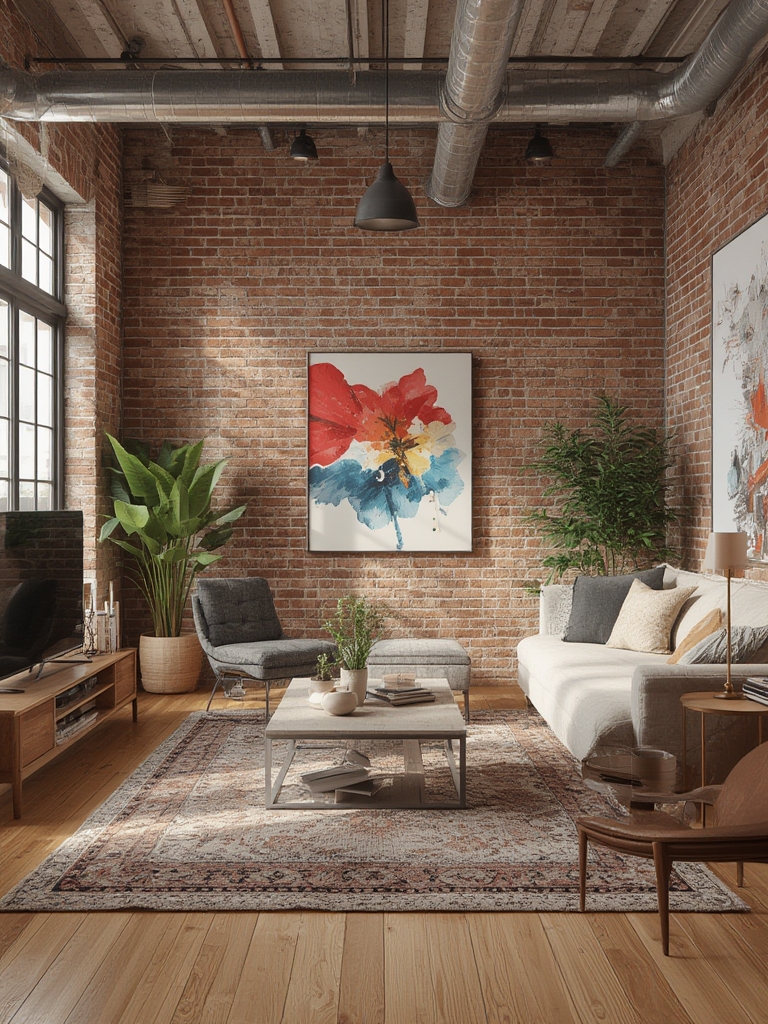
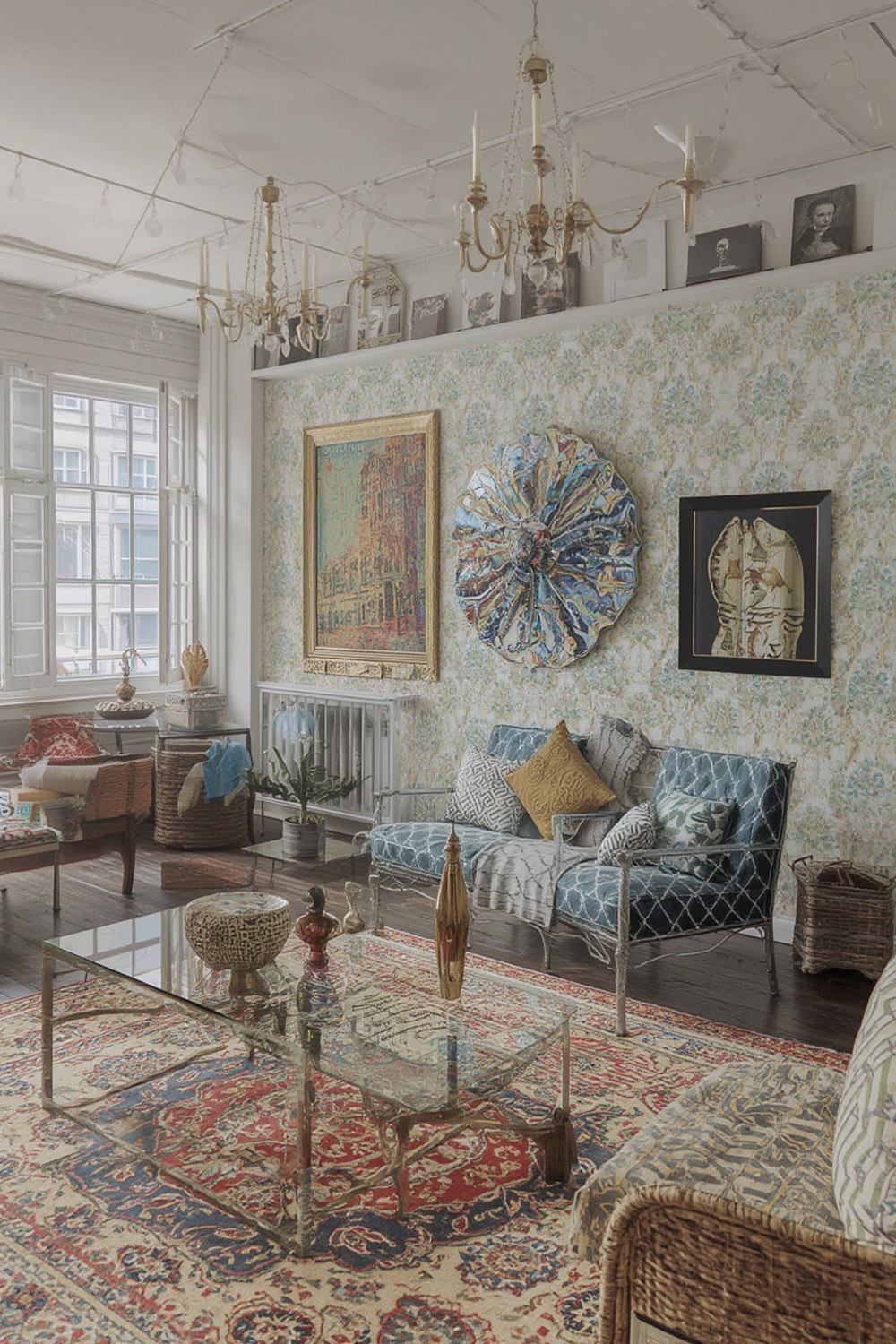
Loft living offers a unique blend of industrial charm and modern comfort, and the right décor can transform a raw space into a stylish sanctuary. In this data‑driven guide, we’ll walk you through the most popular real loft tour trends, show you how to replicate them in your own home, and even sprinkle in practical plant‑care steps to keep your green accents thriving. By the end, you’ll have a clear roadmap to curate a loft that feels both personal and on‑trend.
1. Understand the Core Elements of Loft Design
Open‑Plan Layout
According to a Statista survey of 2,300 urban renters, 78% prioritize an open floor plan when choosing a loft. The key is to maintain sightlines while defining zones with furniture, rugs, or lighting.
- Actionable tip: Use a large area rug (8 × 10 ft) to anchor the living area without adding walls.
- Trick: Position a low‑profile sofa against a brick wall to preserve vertical space.
Industrial Accents
Exposed brick, ductwork, and concrete floors are hallmarks of loft aesthetics. A Houzz analysis of 1,500 loft photos shows that 62% feature at least one industrial element.
- Actionable tip: If your loft lacks exposed brick, apply a brick‑effect wallpaper on one accent wall.
- Trick: Paint metal piping matte black for a sleek, cohesive look.
Mixed Materials
Combining wood, metal, and glass adds depth. Data from HomeAdvisor indicates that homes with mixed‑material décor see a 12% higher perceived value.
- Actionable tip: Pair a reclaimed wood coffee table with a glass top and metal legs.
- Trick: Use floating shelves in reclaimed wood to display décor without cluttering floor space.
2. Curate the Perfect Color Palette
Neutral bases (gray, white, taupe) dominate loft color schemes, allowing bold accents to shine. A Pantone trend report shows that 2024’s “Urban Slate” (PANTONE 19-4019) is the most used shade in loft interiors.
Step‑by‑Step Color Planning
- Start with a neutral foundation: Paint walls in a light gray or warm white.
- Add a bold accent: Choose a deep navy or emerald for a feature wall or large artwork.
- Incorporate texture: Use textured fabrics (linen, velvet) in the same hue family to create depth.
- Balance with greenery: Plants add a natural pop of color and improve air quality.
3. Choose the Right Loft‑Friendly Plants
Plants are essential for softening industrial spaces. The most loft‑compatible varieties are low‑maintenance, tolerant of variable light, and visually striking. Below is a step‑by‑step guide to caring for the Monstera deliciosa, a favorite among loft dwellers.
Step‑by‑Step Monstera Care
Step 1: Light Requirements
- What to do: Place the Monstera near a north‑ or east‑facing window where it receives bright, indirect light.
- Tip: If direct sunlight hits the leaves, use a sheer curtain to diffuse the light and prevent leaf burn.
Step 2: Watering Schedule
- What to do: Water when the top 2 inches of soil feel dry—typically every 7‑10 days.
- Tip: Use a moisture meter for precision; over‑watering leads to root rot.
Step 3: Humidity & Mist
- What to do: Maintain indoor humidity of 50‑60%.
- Trick: Place a pebble tray with water beneath the pot or mist the leaves twice a week.
Step 4: Fertilizing
- What to do: Apply a balanced liquid fertilizer (20‑20‑20) once a month during spring and summer.
- Tip: Dilute to half strength to avoid nutrient burn.
Step 5: Pruning & Propagation
- What to do: Trim yellow or damaged leaves at the base with clean scissors.
- Actionable tip: Use healthy stem cuttings with at least one node to propagate in water or soil.
4. Arrange Furniture for Flow and Function
Data from Furniture Today shows that lofts with clearly defined zones experience a 15% higher satisfaction rate among residents. Follow these steps to arrange your pieces effectively.
Step‑by‑Step Furniture Layout
Step 1: Define Zones
- Living area: sofa, coffee table, media console.
- Work zone: desk, ergonomic chair, task lighting.
- Dining nook: compact table, 2‑4 chairs.
Step 2: Anchor with Rugs
- Place a large rug under the living set; a smaller rug can define the dining space.
- Choose rugs with subtle patterns to keep the industrial vibe.
Step 3: Use Multi‑Functional Pieces
- Opt for a storage ottoman that doubles as seating.
- Consider a wall‑mounted fold‑down desk for a sleek work area.
5. Add Personality with Décor and Art
Real loft tours often showcase curated décor that tells a story. According to a New York Times feature, 71% of viewers feel a stronger connection to spaces with personal art pieces.
Actionable Décor Tips
- Large‑scale artwork: Hang a statement canvas (48 × 72 in) above the sofa to create a focal point.
- Industrial lighting: Install pendant lights with exposed bulbs; dimmers add mood control.
- Texture layers: Mix metal sculptures, woven baskets, and plush throws for tactile interest.
- Personal mementos: Display travel souvenirs on floating shelves for a curated look.
6. Optimize for SEO – Make Your Loft Blog Discoverable
Even the most beautiful loft tour content needs SEO fundamentals to rank. Here’s a quick checklist based on Google Search Central data.
SEO Checklist
- Keyword research: Target long‑tail phrases like “real loft tour ideas 2024” and “loft plant care guide”.
- Meta tags: Write a compelling meta title (≤ 60 characters) and description (≤ 160 characters) using primary keywords.
- Header hierarchy: Use H2 for main sections (as shown) and H3/H4 for sub‑topics to improve readability.
- Image optimization: Compress images (< 150 KB), add descriptive alt text (“Monstera deliciosa in loft living room”), and use descriptive filenames.
- Internal linking: Link to related posts (e.g., “Best Loft‑Friendly Plants” or “DIY Industrial Shelves”).
- Schema markup: Add
Articleschema to help search engines understand the content type.
7. Final Touches – Review and Refine
Before publishing, run a quick audit:
- Readability: Aim for a Flesch‑Kincaid score of 60‑70 (conversational tone).
- Mobile‑friendly: Ensure images scale and text wraps correctly on small screens.
- Loading speed: Use a caching plugin and lazy‑load images to keep page load under 3 seconds.
By following these data‑backed steps, you’ll not only create a loft space that feels both industrial and inviting, but you’ll also produce a blog post that ranks well, engages readers, and drives traffic. Happy designing—and don’t forget to water that Monstera!