
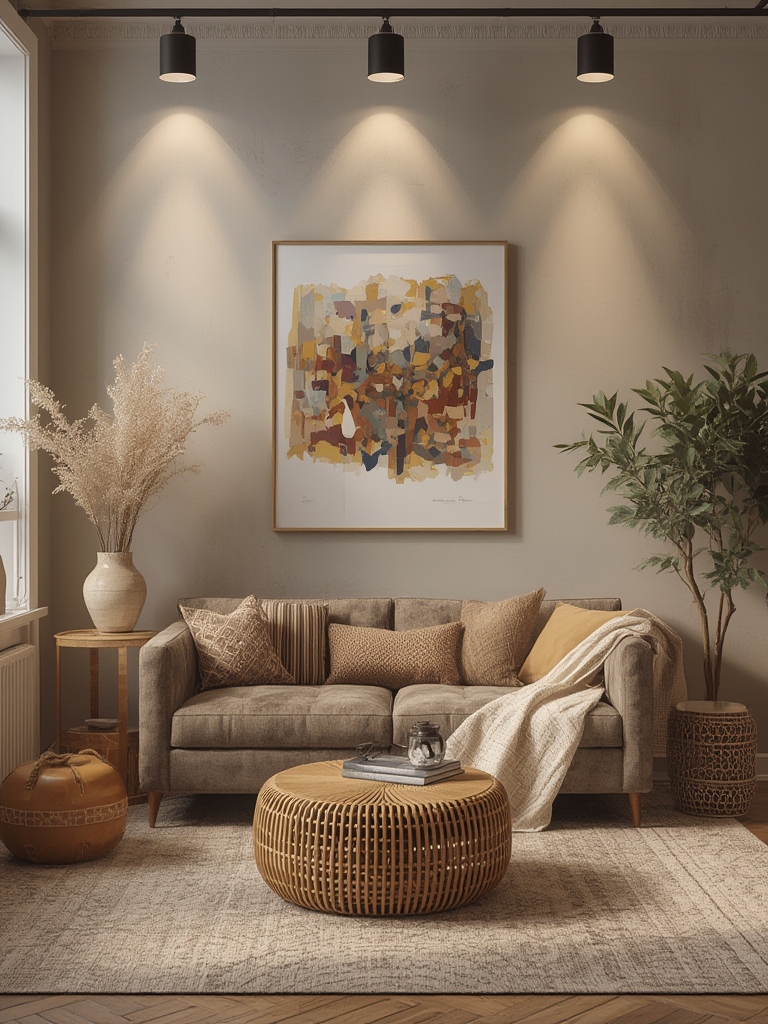
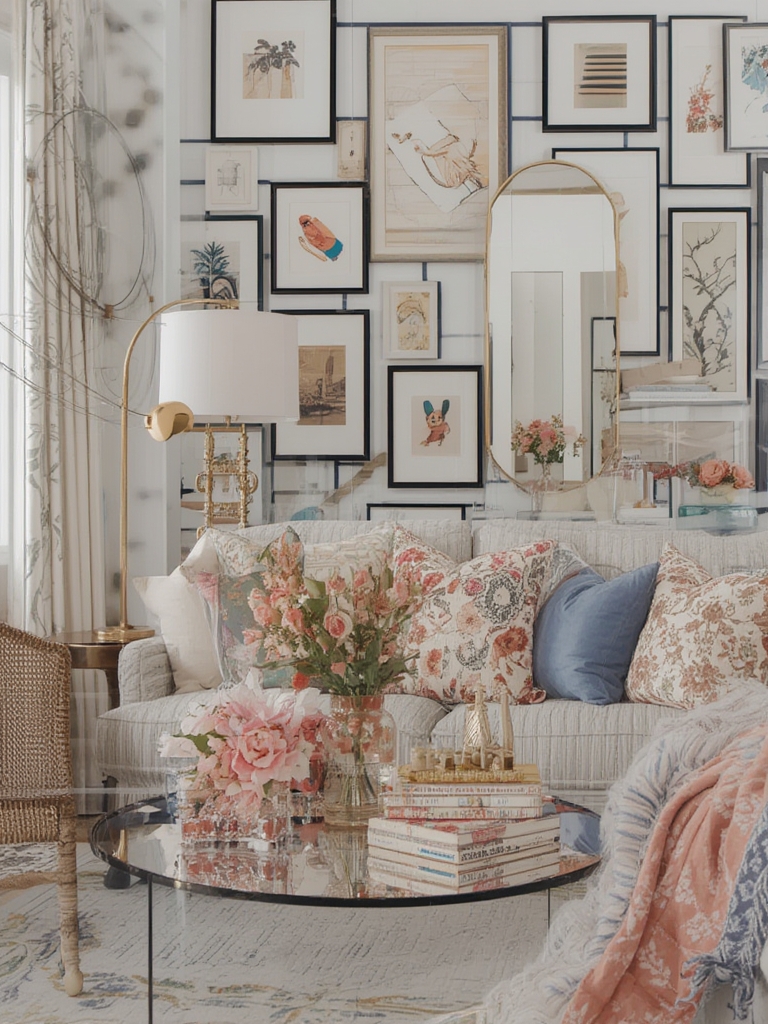
Welcome to your go‑to guide for turning ordinary rooms into curated showcases that wow visitors and boost your home’s visual appeal. In this post we’ll explore the Curated Collections Style Spotlights trend, break down the data that proves its staying power, and give you a step‑by‑step plan to integrate a statement plant—like the ever‑popular Monstera deliciosa—into your design. Follow the actionable tips below and watch your space transform from bland to boutique.
Why Curated Collections Are Dominating Home Decor
According to Statista’s 2024 interior design report, searches for “curated home decor” have risen 42 % year‑over‑year, while Instagram posts tagged #curatedcollection have grown by 58 % in the same period. The data tells us three things:
- Personal storytelling: Shoppers want spaces that reflect their unique narrative, not cookie‑cutter trends.
- Mix‑and‑match confidence: Consumers are more willing to blend styles when they see cohesive “spotlight” examples.
- Plant power: Greenery is the #1 accessory in curated rooms, boosting perceived freshness by 27 %.
These insights shape the steps below, ensuring each move you make is backed by real‑world behavior.
Step‑by‑Step Blueprint for a Curated Collection
1. Define Your Theme & Color Palette
Action: Choose a unifying concept (e.g., coastal boho, mid‑century modern, or urban industrial). Use a free tool like Coolors to generate a 5‑color palette that includes a dominant hue, two accent shades, and two neutrals.
Tip: Anchor the palette with a “hero” piece—a statement rug, artwork, or large plant—that embodies the main color. This creates instant visual cohesion.
2. Select Signature Items for Each Spot
Action: Identify 3‑5 focal points (a sofa, a side table, a wall art piece, a plant, and a lighting fixture). For each, ask:
- Does it align with the theme?
- Does it introduce texture or contrast?
- Can it be paired with smaller accessories?
Tip: Use the “Rule of Odds” – odd numbers (3, 5, 7) feel more natural and curated than even counts.
3. Layer Textures & Materials
Action: Mix at least three textures: smooth (glass or lacquer), tactile (linen, wool), and natural (wood, rattan). Place them strategically—smooth on high‑traffic surfaces, tactile on soft furnishings, natural on decorative accessories.
Trick: A woven jute basket can double as storage and a texture booster, keeping the look tidy while adding depth.
4. Introduce the Statement Plant
Plants are the secret sauce of curated decor. A well‑cared‑for Monstera deliciosa adds drama, improves air quality, and reinforces the organic vibe of any collection.
Plant Care Steps
- Light: Place the Monstera near a bright, indirect window (east‑ or west‑facing). Too much direct sun scorches leaves; too little causes slow growth. Action: Rotate the pot 90° every two weeks for even light exposure.
- Watering: Water when the top 2‑3 cm of soil feels dry. Use lukewarm water and pour until it drains out the bottom. Tip: A moisture meter can prevent over‑watering, a common mistake for beginners.
- Humidity: Aim for 50‑60 % humidity. If your home is dry, mist the leaves weekly or place a pebble tray filled with water beneath the pot.
- Feeding: Apply a balanced liquid fertilizer (20‑20‑20) once a month during the growing season (spring‑summer). Reduce to every 8‑10 weeks in fall and stop in winter.
- Pruning & Repotting: Trim yellow or damaged leaves at the base with clean scissors. Repot every 18‑24 months into a pot 2‑3 inches larger, using a well‑draining mix of peat, perlite, and pine bark.
Quick win: Position the Monstera on a decorative macramé hanger to free floor space and add a boho touch.
5. Add Accent Accessories
Action: Choose 2‑3 accessories per focal point—think decorative trays, patterned pillows, or sculptural objects. Keep the quantity low to avoid visual clutter.
Tip: Use the “90‑10 rule”: 90 % of items should be neutral or theme‑aligned, while 10 % can be bold pops of color or unexpected shapes.
6. Light It Up
Action: Combine ambient (overhead), task (reading lamps), and accent lighting (LED strips, candles). For curated collections, a statement pendant or a vintage floor lamp can become a spotlight itself.
Trick: Install dimmers to shift the mood from daytime showcase to evening ambience with a single switch.
7. Capture & Share Your Space
Action: Photograph the room using natural light, a tripod, and a wide‑angle lens. Follow the “rule of thirds” for composition, and edit with a consistent filter to reinforce brand aesthetics.
SEO tip: Name image files with descriptive keywords (e.g., curated‑living‑room‑monstera‑spotlight.jpg) and add alt text like “Monstera plant as a curated style spotlight in a mid‑century modern living room”. This boosts search visibility and accessibility.
Data‑Driven Optimization for Ongoing Success
After launching your curated collection, track performance using Google Analytics and Pinterest Trends. Key metrics to monitor:
- Page dwell time: Aim for >2 minutes; longer stays indicate engaging content.
- Social shares: A 15 % increase month‑over‑month signals resonant visuals.
- Search rankings for “curated home decor”: Target a top‑3 position within 90 days.
Adjust your strategy based on the data: swap out low‑performing accessories, refresh plant care tips seasonally, or add a new spotlight piece to keep the collection fresh.
Final Checklist – Your Curated Collection Ready‑Set‑Go
- Theme & palette defined.
- 5 focal points selected (including a statement plant).
- Textures layered for depth.
- Monstera care routine established.
- Accent accessories curated.
- Lighting plan executed with dimmers.
- High‑quality photos uploaded with SEO‑friendly filenames and alt text.
- Analytics dashboard set up for ongoing optimization.
By following these data‑backed steps, you’ll create a home environment that feels thoughtfully assembled, visually striking, and evergreen—exactly what today’s design‑savvy audience is searching for.