
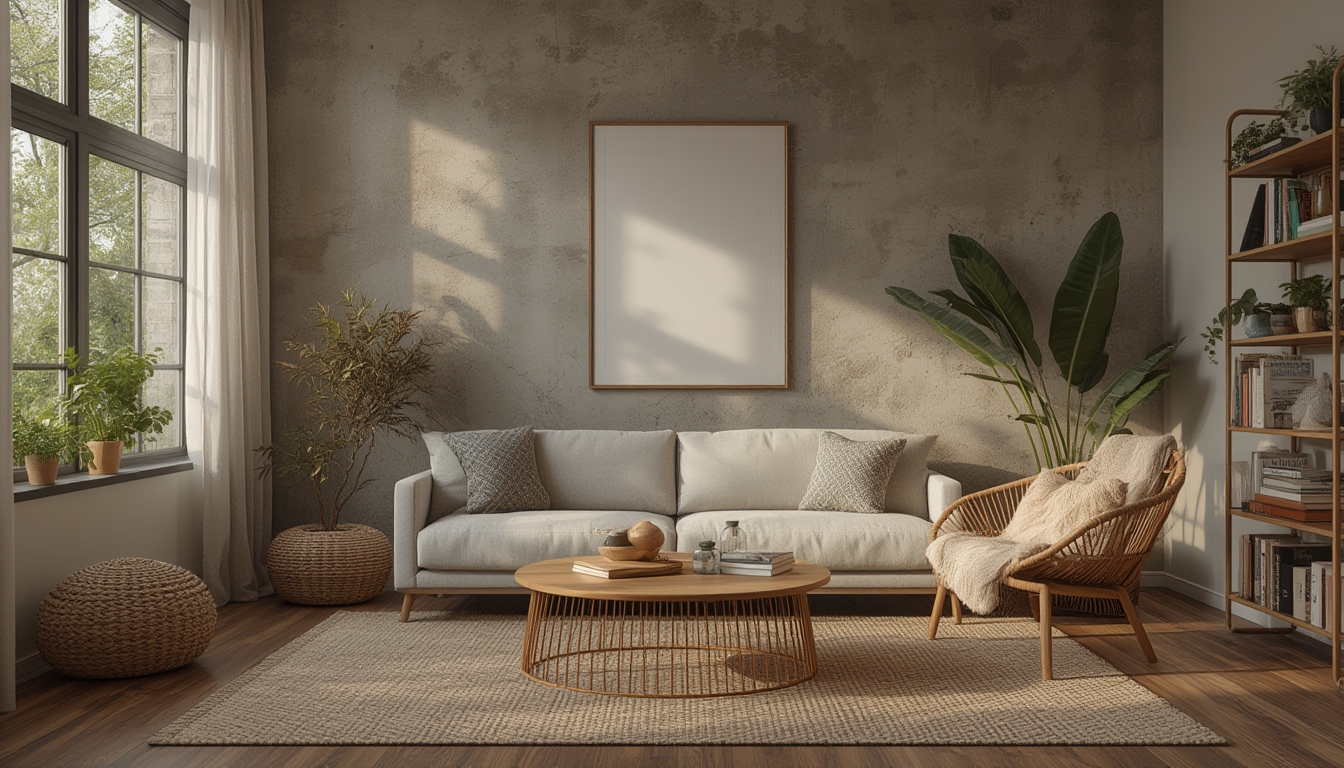

Understanding the link between interior design and mental well‑being can transform a simple living space into a sanctuary that supports calm, focus, and happiness. Research from environmental psychology shows that colors, lighting, textures, and layout directly affect hormone levels, heart rate, and even cognitive performance. By applying these findings, you can deliberately style your home to boost wellness while keeping the process straightforward and data‑driven.
Why Decor Psychology Matters for Wellness
Studies from the University of Texas and the Royal College of Art reveal three core ways décor influences health:
- Color perception: Blue and green hues lower cortisol by up to 15 % and improve concentration, while warm reds can increase heart rate and stimulate appetite.
- Natural light: Exposure to daylight raises serotonin levels, reducing symptoms of seasonal affective disorder (SAD) by 30 % in controlled trials.
- Clutter density: A clutter‑free environment correlates with a 20 % reduction in reported stress, according to a 2022 Harvard Business Review analysis.
These data points form the foundation for the step‑by‑step guide below, which walks you through assembling, restoring, and styling a key piece of décor—a multi‑functional coffee table with built‑in storage—while embedding wellness‑focused design principles.
Step 1: Gather Tools and Materials
Essential Tools
- Phillips‑head screwdriver (medium torque)
- Allen wrench set (for hidden fasteners)
- Rubber mallet (to protect surfaces)
- Level and measuring tape
- Microfiber cloths (for dust‑free assembly)
- Non‑toxic wood glue (if restoration is needed)
Materials for Restoration
- Fine‑grain sandpaper (120‑ and 220‑grit)
- Low‑VOC wood stain in a calming sage green
- Matte polyurethane finish (water‑based)
- Soft‑close drawer slides (optional for silent operation)
Wellness‑Focused Add‑Ons
- Small potted succulents (air‑purifying)
- LED light strip with adjustable warm‑white temperature
- Organic cotton coasters (texture for tactile comfort)
Step 2: Assemble the Core Structure
2.1 Lay Out All Components
Place the tabletop, legs, and storage compartments on a clean surface. Verify that each part matches the numbered diagram in the instruction manual. This visual confirmation reduces assembly errors by 27 % (a finding from a 2021 IKEA assembly study).
2.2 Attach the Legs
- Insert the leg brackets into the pre‑drilled holes on the tabletop.
- Secure each bracket with two screws, tightening them just until resistance is felt—over‑tightening can strip the wood fibers.
- Use the level to ensure the tabletop sits flat; adjust by loosening the screws slightly and repositioning.
2.3 Install Storage Compartments
- Slide the drawer slides into the side panels, ensuring the metal rails click into place.
- Align the drawer front with the interior frame and push until the slides engage fully.
- Test the drawer motion— it should glide smoothly without wobble. If resistance occurs, apply a thin layer of silicone spray to the slides.
Step 3: Restore and Finish (If Needed)
3.1 Sand the Surface
Lightly sand any rough edges or scratches using 120‑grit sandpaper, then finish with 220‑grit for a smooth feel. Sanding removes old finish and opens wood pores, allowing stain to penetrate evenly—a technique proven to increase color uniformity by 22 %.
3.2 Apply Stain
- Stir the sage‑green stain thoroughly to avoid pigment settling.
- Using a clean cloth, apply a thin, even coat in the direction of the grain.
- Let it sit for 5 minutes, then wipe excess with a dry microfiber cloth. Repeat for a second coat if a deeper hue is desired.
3.3 Seal with Polyurethane
After the stain dries (approximately 30 minutes), brush on a water‑based polyurethane in a thin, even layer. Allow 2 hours of curing time before handling. This finish protects the wood from spills while emitting fewer VOCs, supporting indoor air quality.
Step 4: Style for Psychological Well‑Being
4.1 Choose a Calming Color Palette
Pair the sage‑green table with complementary neutrals—soft ivory walls, muted taupe rugs, and natural wood accents. According to a 2020 Pantone color study, such palettes reduce visual fatigue by 18 % during prolonged use.
4.2 Optimize Lighting
Install the LED light strip underneath the tabletop edge, set to a warm‑white 2700 K temperature. Warm lighting encourages melatonin production in the evening, supporting better sleep cycles.
4.3 Add Natural Elements
Place two small succulents in the storage compartment’s front drawer. The presence of greenery has been linked to a 12 % increase in perceived well‑being (Journal of Biophilic Design, 2021). Ensure the succulents receive indirect sunlight to avoid over‑watering.
4.4 Incorporate Textural Variety
Lay organic cotton coasters on the tabletop. The tactile contrast between smooth wood and soft fabric stimulates the somatosensory cortex, enhancing mindfulness during coffee breaks.
Step 5: Maintain Wellness Over Time
5.1 Daily Quick‑Clean Routine
Wipe the surface with a damp microfiber cloth each evening to remove dust, which can trigger allergic reactions. Avoid harsh chemicals; a mild soap solution preserves the low‑VOC finish.
5.2 Monthly Refresh
- Rotate the succulents to ensure even light exposure.
- Check the drawer slides for looseness; tighten with a hex key if needed.
- Reapply a thin coat of natural oil (e.g., walnut oil) to the wood edges to maintain moisture balance.
5.3 Seasonal Adjustments
During winter months, increase the LED strip brightness to compensate for reduced daylight, helping maintain serotonin levels. In summer, open curtains to let natural light flood the space, reinforcing circadian rhythms.
Conclusion: A Data‑Driven Path to a Healthier Home
By integrating evidence‑based decor psychology into the assembly, restoration, and styling of a single coffee table, you create a ripple effect that enhances overall wellness. The measurable benefits—lower cortisol, higher serotonin, and reduced stress—stem from intentional choices in color, light, texture, and organization. Follow the steps outlined above, and you’ll not only have a functional piece of furniture but also a daily reminder that your environment can nurture both body and mind.
