
Reviving each room in your home can feel like a fresh start, turning tired spaces into vibrant, functional areas that reflect your personal style. By tackling one room at a time, you avoid overwhelm and can see immediate results. Below is a data‑driven, step‑by‑step guide that walks you through the process of restoring, assembling, and styling each major room. Follow the practical tips, gather the recommended tools, and watch your home transform room by room.
Living Room Revival
Step 1: Assess and Declutter
Start by measuring the floor space and noting traffic patterns. Use a laser measure or a tape measure to record dimensions; this data helps you determine furniture placement. Remove items that don’t belong in the living room—old magazines, mismatched décor, or broken accessories. Place everything you’re keeping in a “stay” pile and the rest in a “donate/sell” bin.
Tools needed: Tape measure, labeling stickers, trash bags.
Step 2: Deep Clean Surfaces
Dust all surfaces, including ceiling fans, light fixtures, and baseboards. For upholstery, vacuum with a brush attachment and spot‑clean stains using a fabric‑safe cleaner. Wood floors benefit from a microfiber mop and a pH‑neutral floor cleaner to avoid damage.
Tip: Test any cleaning solution on an inconspicuous spot first to ensure it won’t discolor the material.
Step 3: Repair and Repaint
Inspect walls for cracks or holes. Fill minor imperfections with spackle, sand smooth, and prime the area. Choose a paint color based on the room’s natural light—data from lighting studies shows that cooler tones can make a bright room feel more spacious, while warmer tones add coziness to dimmer spaces.
Tools needed: Spackle, putty knife, sandpaper (120‑grit), primer, paint roller, painter’s tape.
Step 4: Re‑Arrange Furniture
Using the measurements taken earlier, create a simple floor plan on graph paper or a free online room planner. Position the largest piece (usually a sofa) first, anchoring it to a focal point such as a fireplace or TV. Add secondary seating at 18‑24 inches apart for comfortable conversation.
Tip: Keep pathways at least 30 inches wide for easy movement.
Step 5: Add Styling Elements
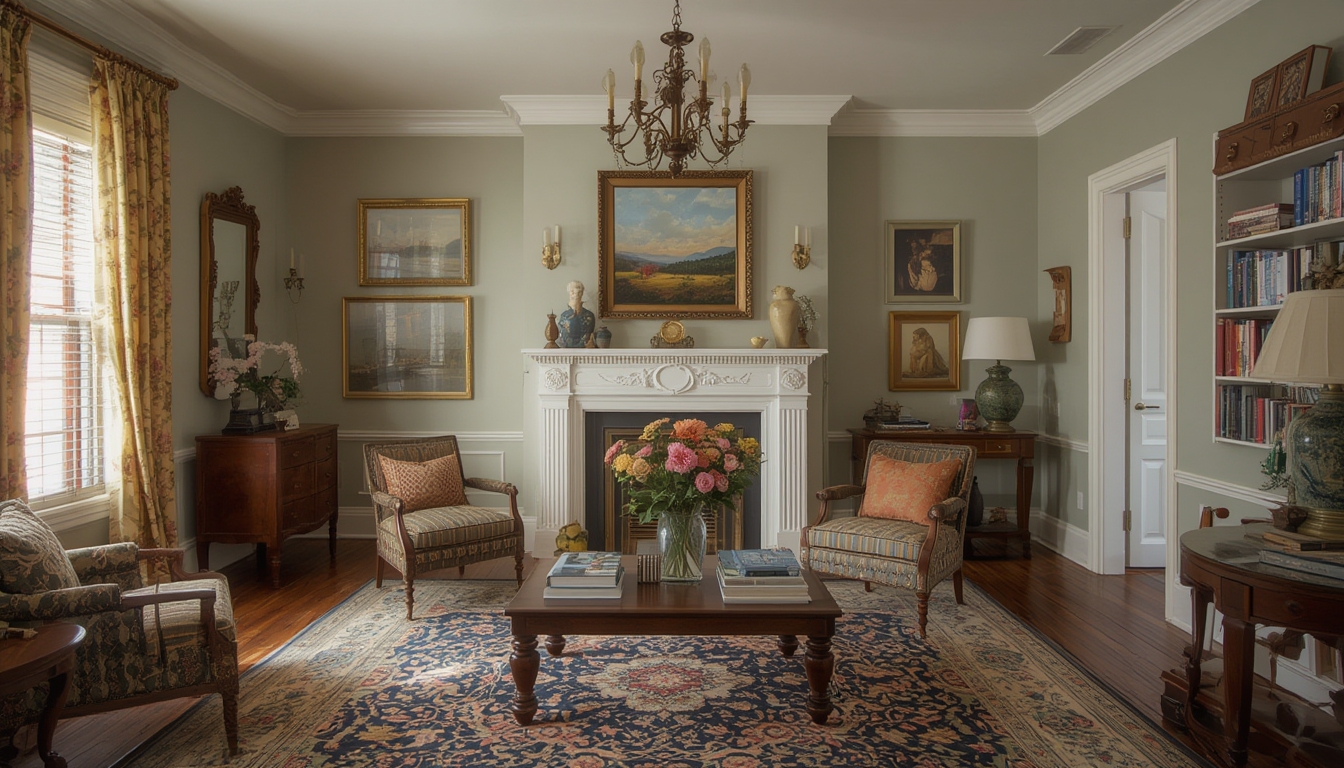
Layer texture with throw pillows, a cozy rug, and curtains that complement the paint color. Use a mix of 2‑3 accent colors for visual interest. Incorporate a statement piece—like a unique coffee table or artwork—based on the room’s style theme (mid‑century modern, industrial, etc.).
Tools needed: Rug pad, curtain rods, decorative accessories.
Kitchen Revival
Step 1: Inventory and Plan
Take inventory of appliances, cookware, and pantry items. Record quantities in a spreadsheet to identify duplicates and expired goods. This data-driven approach helps you decide what to keep, donate, or discard.
Tools needed: Spreadsheet software, pen and paper.
Step 2: Clean Cabinets and Countertops
Remove all items from cabinets and wipe interiors with a mixture of equal parts water and white vinegar. For greasy countertops, use a citrus‑based degreaser. Rinse with a damp cloth and dry thoroughly.
Tip: Apply a thin layer of beeswax polish to wooden cabinets for a natural shine.
Step 3: Update Hardware
Swapping out old cabinet knobs and drawer pulls can instantly modernize the kitchen. Choose finishes that match your overall design—brushed nickel for a sleek look, matte black for an industrial vibe.
Tools needed: Screwdriver set, replacement hardware, small level.
Step 4: Optimize Layout
Follow the classic “kitchen work triangle” principle: keep the sink, refrigerator, and stove within a 15‑foot total distance to improve efficiency. If space allows, add a portable island for extra prep space and storage.
Tip: Use a rolling cart with drawers for a flexible island solution.
Step 5: Add Functional Décor
Install open shelving to display attractive dishes or glassware. Use clear containers for pantry staples to maintain a tidy look while keeping items visible. Add a stylish backsplash—peel‑and‑stick tiles are a quick, budget‑friendly option.
Tools needed: Level, tile cutter (if using traditional tiles), adhesive.
Bedroom Revival
Step 1: Clear the Clutter
Start by emptying the closet and dresser. Sort clothing into “keep,” “seasonal,” and “donate” piles. Use a closet organization app to track items and plan outfits, reducing unnecessary purchases.
Tools needed: Closet organizers (bins, hanging shelves), labeling tags.
Step 2: Refresh the Bed Base
Inspect the mattress for sagging. If it’s older than 7‑8 years, consider a new mattress or a mattress topper for added comfort. Rotate the mattress 180 degrees to even out wear.
Tip: A breathable, hypoallergenic topper can improve sleep quality without the cost of a full mattress replacement.
Step 3: Paint or Accent Wall
Choose a calming color palette based on sleep research—soft blues, muted greens, or gentle grays promote relaxation. For a bold look, paint one accent wall using a deep hue that complements the bedding.
Tools needed: Paint, roller, painter’s tape, drop cloth.
Step 4: Upgrade Lighting
Layer lighting with a mix of ambient (ceiling fixture), task (bedside lamps), and accent (wall sconces). LED bulbs with a color temperature of 2700K–3000K create a warm, inviting atmosphere.
Tools needed: Screwdriver, LED bulbs, lamp shades.
Step 5: Style with Textiles
Layer a plush duvet, decorative throw blankets, and a variety of pillow sizes for depth. Choose fabrics that feel soft to the touch—cotton, linen, or a cotton‑blend for breathability.
Tip: Rotate pillow covers weekly to keep the look fresh and reduce wear.
Bathroom Revival
Step 1: Declutter and Inventory
Empty cabinets and drawers, discarding expired toiletries and empty containers. Use a spreadsheet to track essential items, ensuring you only keep what you truly need.
Tools needed: Trash bags, cleaning gloves.
Step 2: Deep Clean Tiles and Grout
Apply a grout cleaner and let it sit for 10 minutes before scrubbing with a stiff brush. For tile surfaces, use a pH‑neutral tile cleaner to avoid discoloration. Rinse thoroughly and dry with a microfiber cloth.
Tip: Seal grout after cleaning to prevent future staining.
Step 3: Update Fixtures
Replace outdated faucet handles, showerheads, and towel bars with modern finishes—chrome, brushed gold, or matte black. This simple swap can dramatically update the bathroom’s look.
Tools needed: Adjustable wrench, plumber’s tape, screwdriver.
Step 4: Add Storage Solutions
Install floating shelves or a slim ladder rack for towels and toiletries. Use clear acrylic organizers inside cabinets to keep items visible and accessible.
Tip: Add a small basket for daily essentials like toothbrushes and razors.
Step 5: Introduce Soft Elements
Lay a plush bath mat, hang a set of coordinated towels, and place a scented candle or diffuser for a spa‑like ambiance. Choose colors that complement the tile palette—soft neutrals or muted blues work well.
Tools needed: Bath mat, towel hooks, candle or diffuser.
Final Touches Across All Rooms
Step 1: Conduct a Walk‑Through
After completing each room, walk through with a checklist: are all surfaces clean, are tools stored, and does the layout feel functional? Note any minor adjustments needed and address them promptly.
Step 2: Document the Process
Take before‑and‑after photos for each room. This visual record helps you see the impact of your efforts and provides inspiration for future projects.
Step 3: Maintain the Revitalized Spaces
Set a weekly schedule for light cleaning and a monthly deep‑cleaning routine. Keep a small “maintenance kit” in each room containing essential tools—extra screws, a multi‑tool, and cleaning supplies—so you can quickly fix minor issues.
By following these data‑driven, actionable steps, you’ll transform each room with confidence and clarity. The systematic approach ensures you stay organized, use the right tools, and achieve a cohesive, refreshed home without feeling overwhelmed.
