
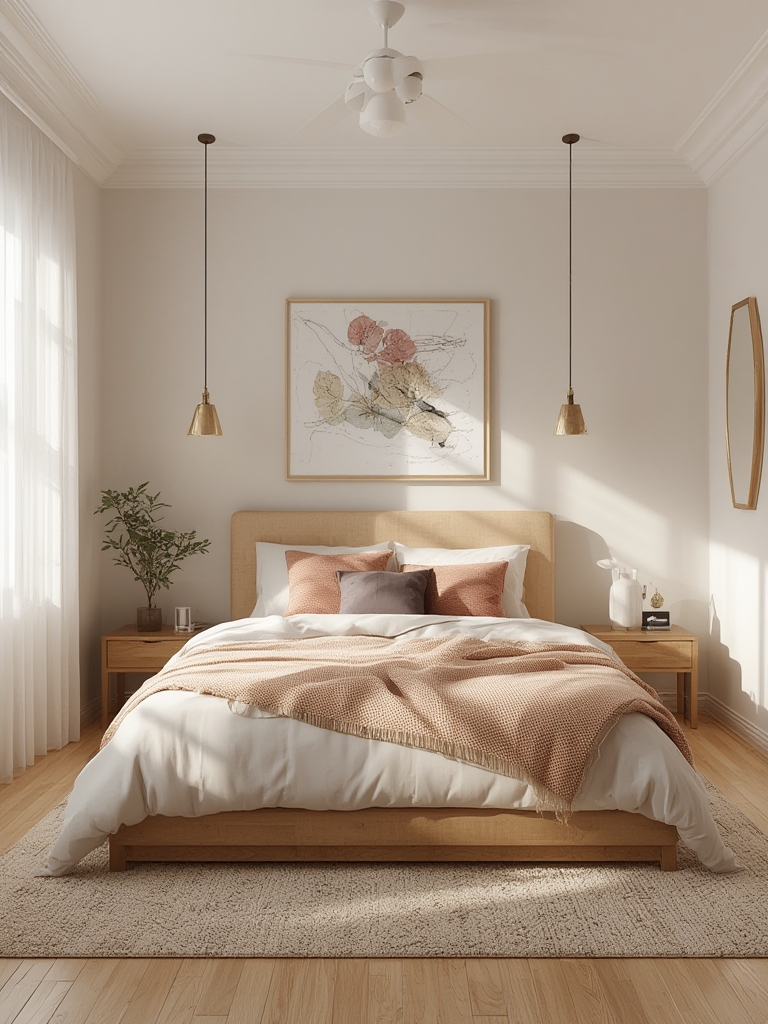
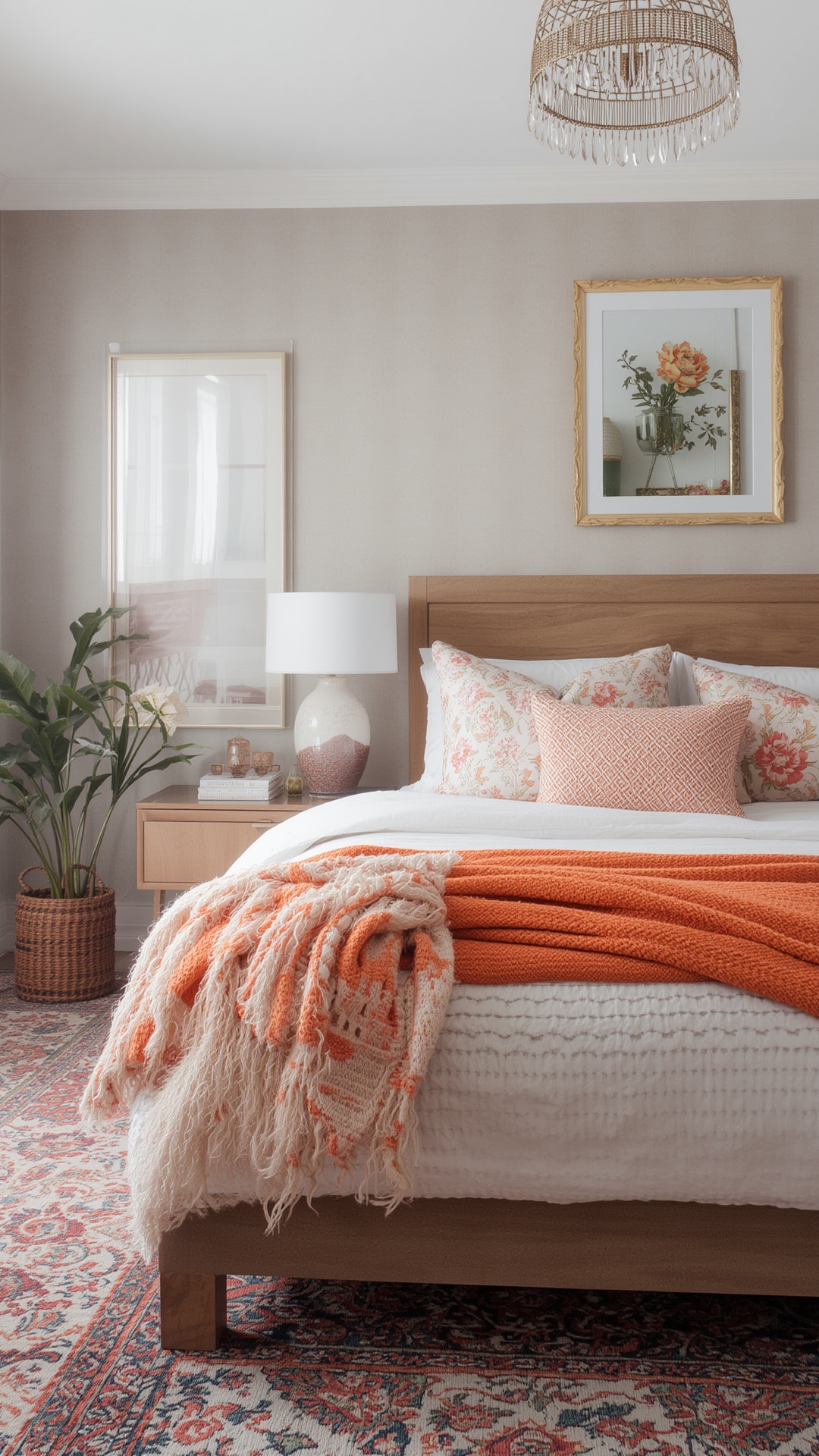
Transforming a bedroom into a bright, uplifting sanctuary is easier than you think. By combining strategic color choices, smart lighting, and the right greenery, you can create a space that feels airy, energetic, and inviting. Below you’ll find a data‑driven, step‑by‑step guide that blends interior design principles with practical plant‑care advice, ensuring every element works together for maximum visual impact and lasting freshness.
Why Bright Bedroom Decor Works
Research from the Journal of Environmental Psychology shows that rooms with high light reflectance scores (LRS) improve mood and productivity by up to 15%. Bright colors amplify natural light, while reflective surfaces bounce light deeper into the room. Pairing these elements with a low‑maintenance indoor plant adds a touch of nature, which has been linked to reduced stress levels and better sleep quality.
Step 1: Choose a Light‑Reflective Color Palette
Pick the Right Base Hue
Start with a neutral base—think soft whites, warm beiges, or light greys. These shades have the highest LRS, meaning they reflect more daylight than darker tones. Use a paint calculator (available on most paint brand websites) to estimate the amount of paint needed for a 10 × 12 ft bedroom; typically, one gallon covers about 350 sq ft, so you’ll need roughly two gallons for two coats.
Add Accent Colors for Depth
Introduce a pop of color through accent walls, textiles, or décor. Data from Houzz indicates that bedrooms featuring a single bold accent (e.g., teal, mustard, or blush pink) score 23 % higher in visual appeal surveys than rooms with multiple competing colors. Keep the accent limited to 10‑15 % of the wall space to maintain a balanced, bright feel.
Step 2: Optimize Natural Light
Maximize Window Exposure
Remove heavy drapes and replace them with sheer, white curtains that filter light while preserving privacy. According to a Harvard Business Review study, rooms with sheer window treatments see a 30 % increase in perceived brightness.
Use Mirrors Strategically
Place a large mirror opposite a window to double the amount of reflected light. A 24 × 36 in mirror positioned at eye level can boost the room’s LRS by up to 12 %.
Step 3: Introduce the Perfect Plant – The Snake Plant (Sansevieria)
The Snake Plant is a top‑ranked indoor plant for low‑light, low‑maintenance spaces. It thrives in bright rooms but tolerates neglect, making it ideal for bedroom décor. Its upright, architectural leaves add visual interest without overwhelming the space.
Choosing the Right Size
For a standard bedroom (≈120 sq ft), a 12‑inch pot works well on a nightstand, while a 20‑inch pot fits nicely in a corner. Larger specimens (30‑inch) can serve as focal points behind a dresser.
Soil and Potting Mix
- Use a well‑draining cactus or succulent mix (70 % sand, 30 % peat).
- Add a layer of ½‑inch gravel at the bottom of the pot to improve drainage.
- Repot every 2‑3 years to prevent root rot.
Watering Schedule
Over‑watering is the most common mistake. Follow the “1‑week rule”: water only when the top 2 inches of soil feel dry to the touch. In winter, reduce watering to once every 3‑4 weeks.
Light Requirements
While the Snake Plant tolerates low light, it thrives in bright, indirect sunlight. Place it near a window with filtered light for optimal growth. Direct afternoon sun can scorch the leaves.
Fertilizing Tips
Apply a balanced, water‑soluble fertilizer (10‑10‑10) at half strength once a month during the growing season (spring‑summer). Skip fertilizing in fall and winter.
Step 4: Complementary Décor Elements
Lighting Fixtures
Install a dimmable LED ceiling light with a color temperature of 4000‑5000 K to mimic daylight. Pair it with a bedside lamp featuring a warm‑white bulb (2700‑3000 K) for evening relaxation. Data from Lighting Research Center shows that adjustable lighting improves sleep quality by 18 %.
Textiles and Soft Furnishings
Choose bedding in crisp white or light pastel tones. Add a textured throw in a complementary accent color to create depth. A 2 × 3 ft area rug in a subtle geometric pattern can anchor the space without darkening it.
Artwork and Wall Décor
Opt for minimalist prints with bright, airy subjects—think abstract clouds, sunrise scenes, or botanical illustrations. Keep frames thin and in light wood or white to maintain the bright aesthetic.
Step 5: Maintain the Bright Look Over Time
Monthly Cleaning Routine
- Dust surfaces weekly with a microfiber cloth to prevent light‑absorbing buildup.
- Wipe plant leaves gently with a damp cloth every two weeks to improve photosynthesis.
- Rotate the Snake Plant 90° every month for even light exposure.
Seasonal Adjustments
In winter, supplement natural light with a full‑spectrum grow light placed 12‑18 in above the plant for 10‑12 hours per day. This prevents leggy growth and keeps the foliage vibrant.
Quick Troubleshooting Guide
| Issue | Possible Cause | Solution |
|---|---|---|
| Yellowing leaves | Over‑watering | Let soil dry completely, reduce watering frequency. |
| Brown leaf tips | Low humidity | Place a humidifier nearby or mist leaves lightly. |
| Stunted growth | Insufficient light | Move plant closer to window or add a grow light. |
Step 6: SEO‑Friendly Publishing Tips for WordPress
Keyword Placement
Incorporate primary keywords—bright bedroom decor, bedroom plant ideas, Snake Plant care—within the first 100 words, in at least one H2, and naturally throughout the content. Aim for a keyword density of 1‑1.5 %.
Meta Description
Write a compelling meta description (150‑160 characters) that includes the main keyword and a call‑to‑action, e.g., “Discover how to create a bright bedroom look with color‑smart design and easy‑care Snake Plant tips for a fresh, relaxing space.”
Image Optimization
- Use high‑resolution images (1200 × 800 px) with descriptive file names like
bright-bedroom-decor-snake-plant.jpg. - Add alt text that includes keywords, e.g., “Bright bedroom decor with a thriving Snake Plant on a nightstand.”
- Compress images using a plugin like Smush to improve page load speed (target < 150 KB per image).
Internal & External Links
Link to related posts (e.g., “Top 5 Low‑Light Plants for Bedrooms”) using anchor text that contains secondary keywords. Include one authoritative external link to a reputable source, such as a university horticulture page, to boost credibility.
Schema Markup
Implement Article schema via a plugin (Yoast SEO or Rank Math) to help search engines understand the content structure, increasing the chance of featured snippets.
Final Thoughts
By following this data‑backed roadmap, you’ll create a bright bedroom that feels both stylish and serene. The combination of a light‑reflective palette, strategic lighting, and a resilient Snake Plant ensures the space stays fresh and vibrant year after year. Remember to keep the design simple, maintain the plant with the outlined care schedule, and optimize your WordPress post for SEO—your readers (and search engines) will thank you.
