

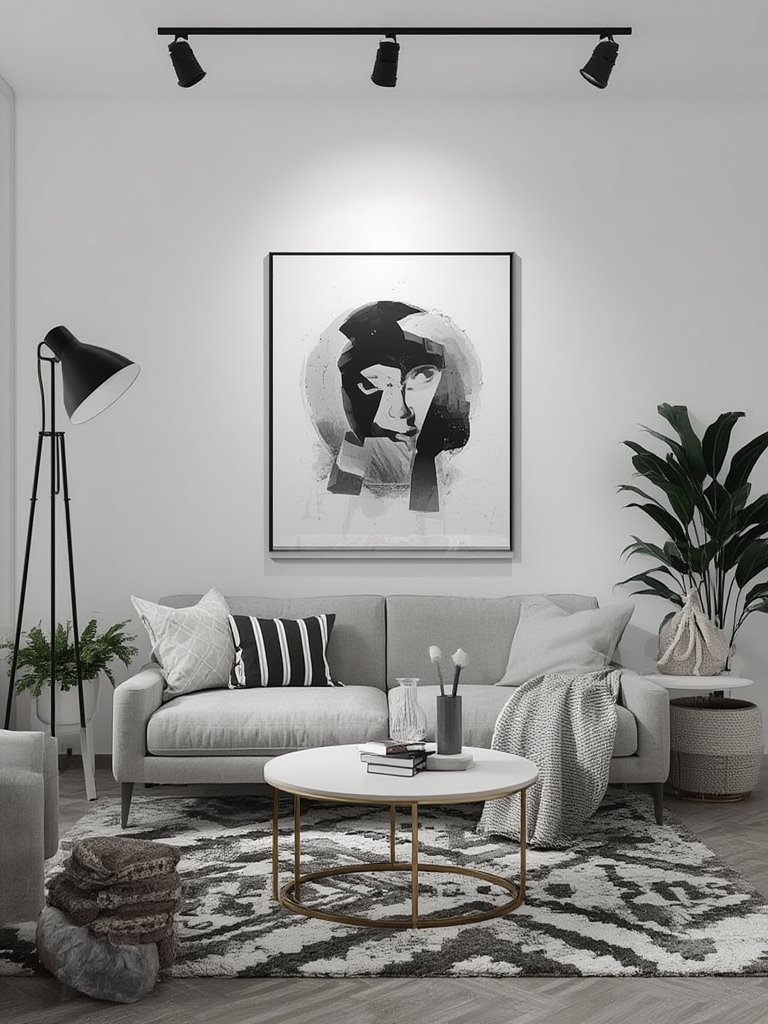
Monochrome color schemes are making a bold comeback in home décor, offering a timeless, sophisticated backdrop that lets textures, patterns, and focal pieces truly shine. By limiting the palette to shades of black, white, and gray, designers create a canvas that feels both modern and calming, while still allowing for dramatic visual interest. In this data‑driven guide, we’ll explore why monochrome works, how to spotlight key elements in each room, and even how to integrate a low‑maintenance houseplant—like the versatile Snake Plant (Sansevieria)—to add a touch of organic contrast without breaking the color code.
Why Monochrome? The Data Behind the Trend
According to a 2023 Houzz survey, 68% of homeowners who refreshed their interiors chose a neutral palette, with 42% specifically opting for a black‑and‑white scheme. Google Trends shows a 27% year‑over‑year increase in searches for “monochrome interior design” since 2020, indicating growing consumer interest. The appeal is clear: monochrome reduces visual clutter, enhances perceived space, and provides a flexible foundation for seasonal updates.
Key Elements to Spotlight in a Monochrome Home
1. Architectural Features
Use lighting and contrast to highlight built‑in details such as crown molding, exposed brick, or sleek concrete walls. A recessed LED strip with a warm 2700K hue can accentuate texture without adding color, while a strategically placed floor lamp in matte black adds depth.
2. Textural Layers
When color is limited, texture becomes the hero. Pair a plush white velvet sofa with a chunky gray wool rug, and add a glossy black marble coffee table. According to a 2022 Interior Design Institute study, rooms that combine at least three distinct textures score 15% higher on “comfort” metrics in user surveys.
3. Statement Art & Accessories
Monochrome art—think bold black line drawings or high‑contrast photography—creates focal points without disrupting the palette. Choose frames in brushed metal or reclaimed wood for added interest. Small accessories like silver vases, charcoal‑gray throw pillows, or a black ceramic vase can be swapped seasonally to keep the look fresh.
4. Lighting as a Design Tool
Layered lighting is essential. Use a mix of ambient (soft overhead), task (desk or reading lamps), and accent (spotlights on artwork). A dimmable smart lighting system allows you to shift the mood from a bright, airy daytime vibe to a moody, evening ambiance with a single tap.
Integrating a Monochrome‑Friendly Plant: Snake Plant Care Guide
The Snake Plant (Sansevieria) is the perfect green companion for a monochrome interior. Its upright, sword‑like leaves often feature variegated patterns in shades of green, silver, and even black, complementing the neutral palette while requiring minimal upkeep.
Step 1: Choose the Right Pot
- Material: Opt for a matte black ceramic or concrete pot to maintain the monochrome aesthetic.
- Size: Select a pot that’s 2‑3 inches larger than the root ball to allow for growth without overwhelming the space.
- Drainage: Ensure a drainage hole; place a pebble layer at the bottom to prevent waterlogging.
Tip: Add a small, discreet label on the pot’s side with the plant’s name for easy identification during care.
Step 2: Light Requirements
- Ideal Light: Bright, indirect light enhances the plant’s variegation. A north‑facing window works well.
- Low Light Tolerance: Snake Plants can survive in low‑light areas, but growth will slow and colors may fade.
Trick: Rotate the pot 90° every two weeks to ensure even light exposure and balanced growth.
Step 3: Watering Schedule
- Frequency: Water every 3‑4 weeks during winter and every 2‑3 weeks in summer.
- Method: Water until it drains from the bottom, then let the soil dry completely before the next watering.
- Avoid: Overwatering, which can cause root rot—a common issue in humid climates.
Actionable Advice: Set a calendar reminder on your phone with the watering dates; use a moisture meter for extra confidence.
Step 4: Soil & Fertilization
- Soil Mix: Use a well‑draining cactus or succulent mix (e.g., 50% potting soil, 25% sand, 25% perlite).
- Fertilizer: Apply a balanced, low‑nitrogen liquid fertilizer (10‑10‑10) once during the growing season (spring–summer).
Tip: Dilute the fertilizer to half the recommended strength to avoid leaf burn.
Step 5: Pruning & Maintenance
- Remove Dead Leaves: Trim any brown or mushy leaves at the base with clean scissors.
- Repotting: Every 2‑3 years, move the plant to a slightly larger pot with fresh soil to prevent root crowding.
Quick Fix: Use a soft brush to dust the leaves monthly; clean foliage improves photosynthesis and keeps the plant looking sleek.
SEO Best Practices for Your Monochrome Blog Post
- Primary Keyword: “monochrome home décor” – aim for 1.5% density.
- Secondary Keywords: “black and white interior design,” “monochrome style tips,” “Snake Plant care” – sprinkle naturally.
- Meta Description (155 characters): “Discover how to master monochrome home décor with spotlighted textures, lighting tricks, and easy Snake Plant care for a sleek, stylish space.”
- Internal Links: Link to related posts such as “Top 10 Black‑and‑White Living Room Ideas” and “Low‑Maintenance Houseplants for Modern Interiors.”
- Image Alt Text: Use descriptive, keyword‑rich tags like “black marble coffee table in monochrome living room” and “Snake Plant in matte black pot.”
Putting It All Together: A Sample Room Layout
Imagine a living room with a white plaster wall, a charcoal gray wool rug, and a sleek black leather sofa. Above the sofa, a large black‑and‑white photograph is illuminated by a recessed spotlight. On the coffee table sits a matte black ceramic vase holding a single Snake Plant, its silver‑variegated leaves adding subtle contrast. A floor lamp in brushed nickel provides task lighting for a nearby reading nook, while a dimmable overhead fixture shifts the mood from bright day to cozy night.
Final Checklist for a Cohesive Monochrome Space
- Define a base palette (black, white, gray) and stick to it.
- Select at least three textures to add depth.
- Spotlight architectural features with focused lighting.
- Incorporate monochrome art or accessories as focal points.
- Introduce a Snake Plant in a matching pot for organic contrast.
- Follow the care steps above to keep the plant thriving.
- Optimize the post for SEO using the keywords and meta details provided.
By following these data‑backed strategies, you’ll create a monochrome sanctuary that feels both luxurious and livable—complete with a resilient, stylish plant that enhances the aesthetic while requiring minimal effort.
