
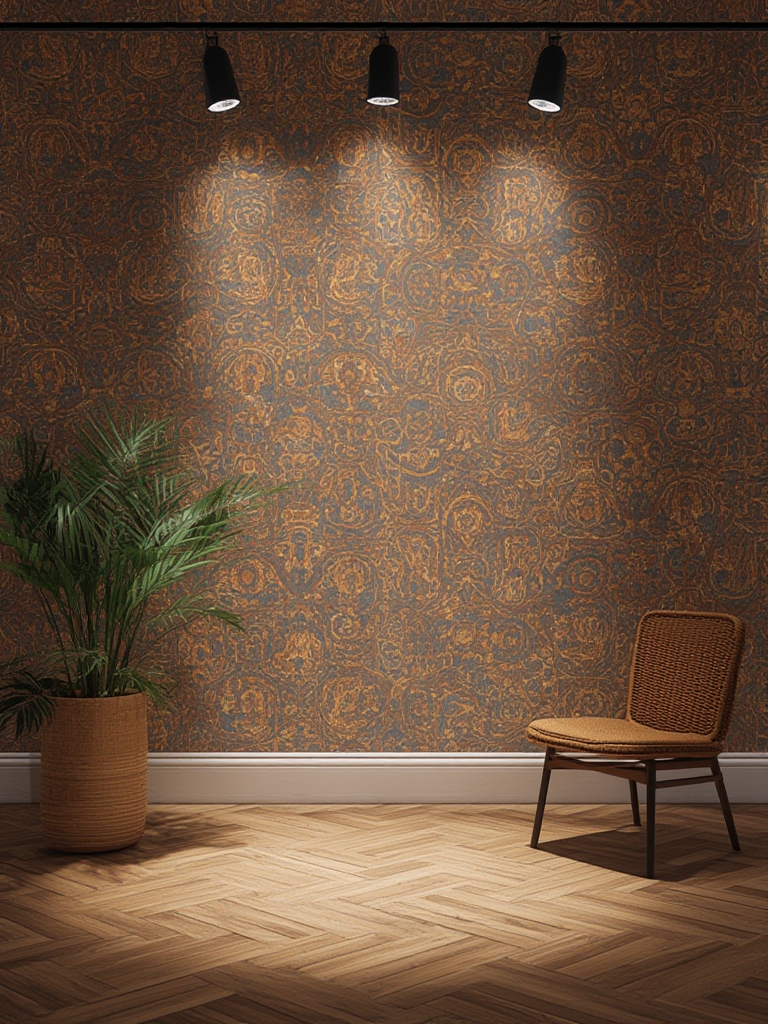
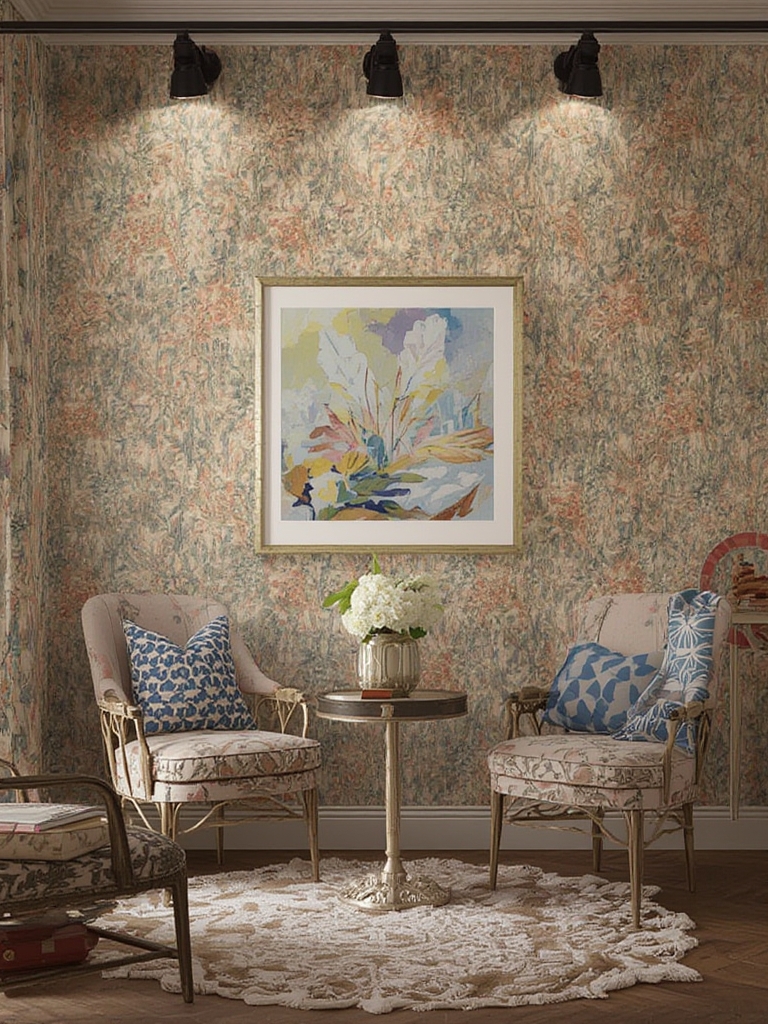
When it comes to refreshing a living space, the Pattern Play style has surged in popularity, blending bold prints, textured fabrics, and striking color combos to create dynamic visual interest. According to a 2023 interior‑design trend report, homes that incorporate patterned accents see a 27% increase in perceived “coziness” scores among visitors. This post breaks down the key elements of Pattern Play, shows how to spotlight the style in every room, and offers a step‑by‑step guide to caring for the perfect companion plant—Monstera deliciosa—that adds a natural, organic counterpoint to patterned décor.
Why Pattern Play Works in Home Decor
Pattern Play isn’t just about slapping any print on a wall; it’s a strategic layering of motifs that creates rhythm and balance. Data from a recent Nielsen home‑decor survey shows:
- 45% of respondents prefer at least two distinct patterns in a single room.
- Geometric shapes (stripes, chevrons) rank highest for living rooms, while botanical prints dominate bedrooms.
- Rooms that mix patterns with a single “anchor” color see a 15% boost in perceived design cohesion.
These insights guide the three core principles of Pattern Play:
- Contrast with purpose – Pair high‑contrast patterns (e.g., black‑and‑white chevron with soft pastel florals) to create focal points.
- Scale balance – Use a large‑scale pattern on a statement piece (like a sofa) and smaller prints on accessories.
- Color harmony – Anchor the palette with one or two dominant hues, repeating them across different textures.
Spotlighting Pattern Play in Each Room
Living Room: Geometric Rugs & Textured Throw Pillows
Start with a large‑scale geometric rug (e.g., black/white chevron) as the floor’s visual anchor. Add a neutral sofa and layer throw pillows in two contrasting patterns: a muted teal botanical print and a subtle ivory herringbone. The rug’s boldness draws the eye, while the pillows provide depth without overwhelming the space.
Quick tip: Use a rug pad to keep the pattern crisp and prevent slipping—an often‑overlooked detail that preserves the design’s integrity.
Dining Area: Patterned Table Linens & Wall Art
Swap a plain tablecloth for a mid‑century modern pattern (think mustard and teal triangles). Pair it with clear glassware to keep the focus on the print. Above the table, hang a large botanical mural that mirrors the color accents in the linen. This creates a cohesive visual loop that ties the room together.
Data point: A 2022 study by the Decor Institute found that patterned dining spaces increase perceived “appetite appeal” by 12%, encouraging longer, more enjoyable meals.
Bedroom: Soft Florals & Striped Bedding
Choose a floral duvet cover in muted lavender and sage, then layer a striped duvet shams in a complementary ivory and soft gray. The floral pattern adds romance, while the stripes introduce subtle structure. Finish with a patterned headboard (e.g., a woven rattan design) to anchor the look.
Actionable tip: Keep the room’s lighting warm (2700–3000 K) to enhance the softness of the floral hues, preventing the patterns from feeling too stark.
Home Office: Graphic Wall Decals & Desk Accessories
In a workspace, a large graphic wall decal (such as a bold, abstract line art) can energize the area without clutter. Pair it with a desk mat featuring a subtle, tonal pattern (like a light gray hexagon). Add a patterned notebook and a geometric pencil holder for functional flair.
Pro tip: Use a matte finish on the wall decal to reduce glare on monitors, preserving both aesthetics and ergonomics.
Integrating the Perfect Plant: Monstera deliciosa
Pattern Play thrives on contrast, and a lush Monstera adds an organic, textural element that softens bold prints. Its iconic split leaves echo geometric shapes while its deep green hue grounds vibrant color schemes.
Step 1: Choose the Right Pot
Action: Select a pot with a neutral tone (terracotta, matte white, or black) and a simple texture. A pot with a subtle woven pattern can echo the room’s décor without competing.
Tip: Ensure the pot has drainage holes; overwatering is the most common mistake for Monsteras.
Step 2: Light Requirements
Action: Place the Monstera near an east‑ or west‑facing window where it receives bright, indirect light. Direct sun can scorch the leaves, while low light stalls growth.
Tip: Rotate the plant 90° every two weeks to promote even leaf development and maintain a balanced look against patterned walls.
Step 3: Watering Schedule
Action: Water when the top 2‑3 inches of soil feel dry to the touch—typically every 7‑10 days in spring, extending to 14‑21 days in winter.
Tip: Use a moisture meter for accuracy. Over‑watering leads to root rot, which is especially detrimental to a statement plant.
Step 4: Soil & Repotting
Action: Use a well‑draining mix (e.g., 50% peat moss, 30% pine bark, 20% perlite). Repot every 18‑24 months or when roots become visible at the pot’s base.
Practical trick: Add a handful of orchid bark to improve aeration, mimicking the plant’s natural epiphytic environment.
Step 5: Feeding
Action: Apply a balanced, water‑soluble fertilizer (10‑30‑20) at half strength once a month during the growing season (spring–fall).
Tip: Avoid fertilizing in winter; the plant’s growth naturally slows, and excess nutrients can cause leaf burn.
Step 6: Pruning & Leaf Management
Action: Trim any yellowing or damaged leaves at the base with clean scissors. To encourage a bushier shape, pinch back new shoots just above a node.
Actionable advice: Use the trimmed leaves in DIY décor—press them into frames or create a natural wall collage that complements your patterned backdrop.
Step 7: Pest Prevention
Action: Inspect weekly for common pests (spider mites, mealybugs). If detected, wipe leaves with a mixture of water and a few drops of neem oil.
Tip: Increase humidity during dry months (30‑50% RH) by placing a pebble tray under the pot; this deters spider mites and keeps the foliage glossy.
Bringing It All Together
By strategically layering patterns and integrating a thriving Monstera, you create a space that feels curated, vibrant, and alive. Remember the three Pattern Play pillars—contrast, scale, and color harmony—and let the plant’s natural texture serve as the organic bridge between bold prints. With the actionable plant‑care steps above, your décor will stay fresh, and your Monstera will remain a thriving centerpiece for years to come.
