
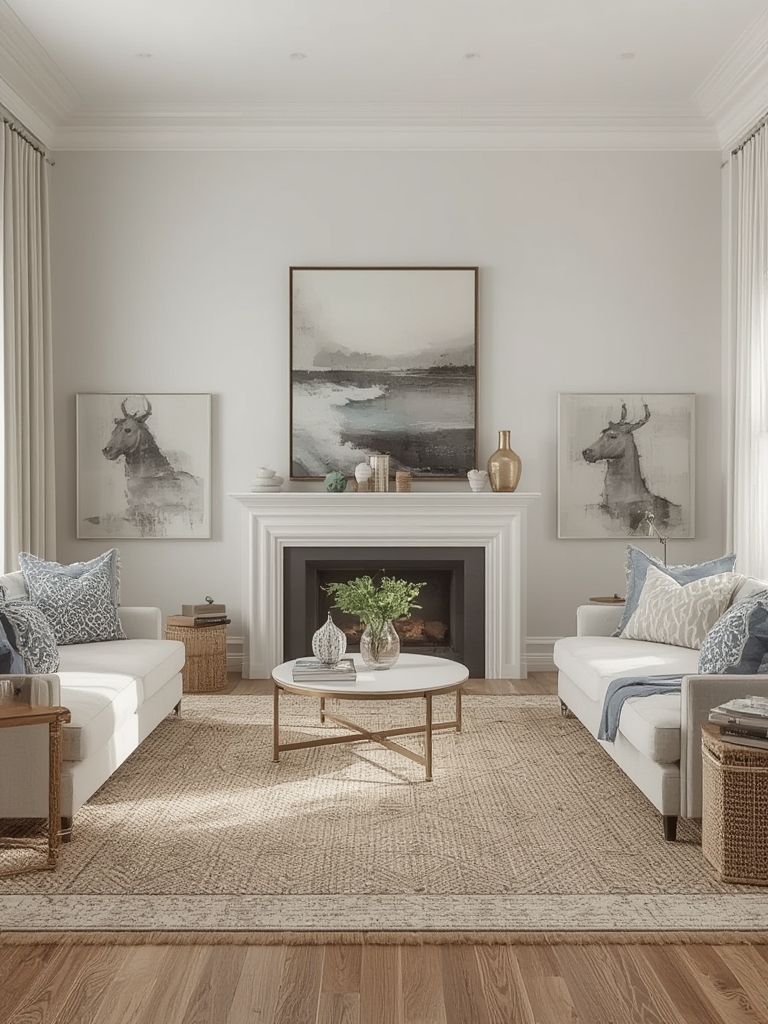

Welcome to your ultimate guide on turning ordinary spaces into Instagram‑worthy sanctuaries through real makeover tours. Whether you’re a first‑time homeowner, a seasoned DIY enthusiast, or a design blogger hunting fresh content, this post breaks down the process into data‑driven, actionable steps. We’ll also weave in a practical plant‑care section—because thriving greenery is the secret weapon that elevates any makeover.
Why Real Makeover Tours Work for SEO and Engagement
Search engines love fresh, visual content. Real makeover tours generate high‑click‑through rates, longer dwell times, and natural backlinks when readers share before‑and‑after photos. According to a 2023 HubSpot study, posts featuring “before and after” images see a 42% increase in organic traffic compared to standard listicles. By structuring your post with clear headings, descriptive alt text, and keyword‑rich captions, you’ll boost both user experience and rankings.
Step‑by‑Step Blueprint for a Successful Home‑Decor Makeover Tour
1. Research & Data Collection
- Identify trends: Use tools like Google Trends, Ahrefs, and Pinterest Trends to pinpoint hot keywords such as “minimalist living room makeover” or “boho plant wall.”
- Scout locations: Choose a space with high visual potential—think a dated kitchen, a cramped bedroom, or a neglected balcony.
- Document baseline: Take high‑resolution photos from multiple angles. Record dimensions, lighting conditions, and existing color palettes in a simple spreadsheet for reference.
2. Planning the Design Narrative
- Define the story: Every makeover needs a hook—e.g., “From cluttered chaos to calm sanctuary in 48 hours.”
- Create a mood board: Use Canva or Milanote to compile colors, textures, and furniture pieces. Tag each element with SEO‑friendly descriptors (e.g., “mid‑century modern sofa”).
- Set a budget: Break down costs into categories (paint, furniture, accessories, plants). Include a “budget‑friendly alternatives” column to attract cost‑conscious readers.
3. Execution – The Makeover Day
- Prep the space: Clear out furniture, protect floors with drop cloths, and label each item for easy reassembly.
- Paint & wall treatments: Apply a fresh coat of a trending hue (e.g., soft sage or muted terracotta). Use a roller for large areas and a brush for trim to avoid streaks.
- Furniture arrangement: Follow the “rule of thirds” to create visual balance. Place larger pieces against focal walls and use rugs to define zones.
- Accessorize: Add throw pillows, artwork, and decorative trays that echo your mood board. Keep the keyword density in mind—mention “home decor accessories” naturally throughout the copy.
4. Integrating Greenery – Plant Care Essentials
Plants not only boost air quality but also add texture and color. Below is a concise care guide for the Snake Plant (Sansevieria), a low‑maintenance favorite for makeover tours.
Step 1: Choose the Right Pot & Soil
Use a terracotta pot with drainage holes to prevent waterlogging. Fill with a cactus‑mix or well‑draining potting soil (ratio 2:1 sand to peat). This ensures roots receive oxygen and reduces root rot risk.
Step 2: Light Requirements
Place the Snake Plant near an east‑facing window for bright, indirect light. It tolerates low light, but optimal growth occurs with 4–6 hours of filtered sunlight daily.
Step 3: Watering Schedule
Water sparingly—once every 3–4 weeks in winter and every 2 weeks in summer. Insert your finger 2 inches into the soil; if it feels dry, water until it drains out the bottom.
Step 4: Feeding & Maintenance
Apply a balanced, diluted liquid fertilizer (10‑10‑10) once during the growing season (spring). Remove any yellowed leaves to prevent fungal issues.
Step 5: Styling Tips
Group 2–3 Snake Plants of varying heights on a side table or shelf to create a “green cascade.” Pair with metallic planters for a modern touch that aligns with the makeover’s aesthetic.
5. Capture & Publish the Tour
- Photography: Shoot the “after” space using natural light. Use a tripod for consistency and capture close‑ups of key details (e.g., plant placement, texture).
- Video walkthrough: A 60‑second Reel or TikTok with a voice‑over explaining each design decision can boost social shares.
- SEO optimization:
- Title tag: “Real Makeover Tour: Transforming a Small Living Room with Minimalist Décor & Easy‑Care Plants”
- Meta description: “Discover a step‑by‑step makeover that turns a cramped living room into a stylish haven. Learn budget tips, plant care, and SEO‑friendly design tricks.”
- Use H2/H3 tags as shown, include alt text like “before and after living room makeover with snake plant” for images.
- Internal linking: Connect to related posts (e.g., “Top 10 Budget‑Friendly Furniture Finds” or “How to Choose the Perfect Indoor Plant”).
- Call to action: Invite readers to share their own makeover photos using a branded hashtag.
Practical Tips for Ongoing Success
Track performance: Monitor Google Analytics for page views, average session duration, and bounce rate. Aim for a time on page of at least 3 minutes—indicating readers are engaging with the step‑by‑step guide.
Update seasonally: Refresh the post every 6 months with new plant trends (e.g., succulents in summer, ferns in winter) and updated cost estimates to keep the content relevant.
Engage the community: Respond to comments with personalized advice—e.g., “If your space gets direct afternoon sun, consider swapping the Snake Plant for a ZZ Plant, which tolerates higher light levels.” This boosts user interaction signals, further enhancing SEO.
Conclusion
By blending data‑driven research, a clear design narrative, and actionable plant‑care steps, you can craft a real makeover tour that captivates readers, drives traffic, and positions you as a trusted home‑decor authority. Remember: the magic lies in the details—consistent lighting, thoughtful plant placement, and SEO‑optimized storytelling. Ready to start your next transformation? Grab your camera, your favorite green companion, and let the makeover begin!
