
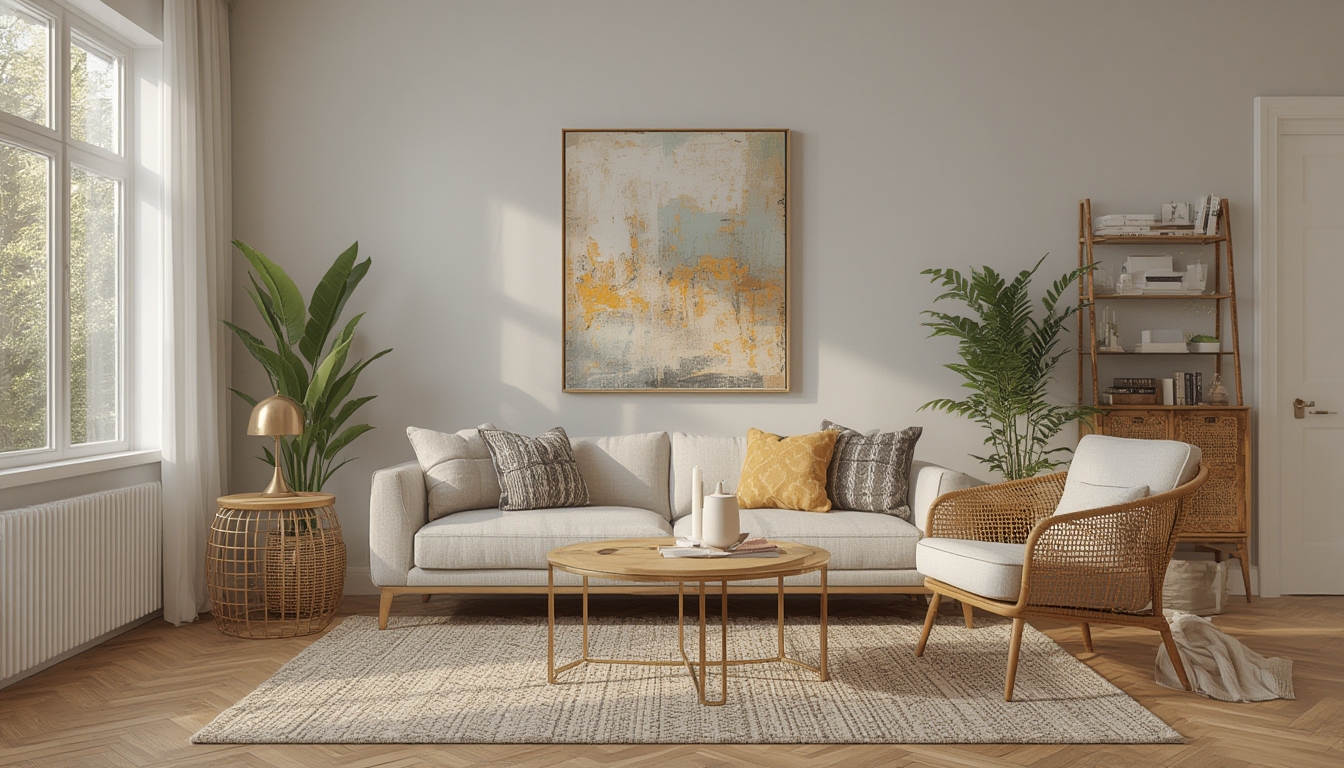
Understanding the connection between interior design, psychology, and personal wellness can transform a house into a sanctuary that nurtures both mind and body. By applying evidence‑based principles of color theory, spatial layout, and sensory stimulation, you can deliberately craft environments that reduce stress, boost mood, and promote healthy habits. Below is a step‑by‑step guide to styling a living space with decor psychology in mind, complete with the tools you’ll need and actionable tips for each phase.
1. Assess the Space and Define Wellness Goals
Gather Baseline Data
Start by measuring the room (length, width, ceiling height) and noting natural light sources, traffic flow, and existing furniture. Use a simple spreadsheet or a free app like RoomScan Pro to log:
- Square footage
- Window orientation (north, south, east, west)
- Current color palette (wall, flooring, upholstery)
- Noise levels (in decibels, if possible)
- Air quality indicators (presence of plants, ventilation)
Set Clear Wellness Objectives
Based on the data, decide which psychological outcomes you want to prioritize. Common goals include:
- Reducing anxiety (calm colors, uncluttered layout)
- Increasing focus and productivity (blue/green accents, defined work zones)
- Enhancing social connection (warm tones, inviting seating)
- Improving sleep quality (soft lighting, cool hues)
Write each objective as a measurable statement, e.g., “Create a reading nook that lowers perceived stress by 15% as measured by a post‑visit survey.” This will guide every design decision.
2. Choose a Color Scheme Grounded in Psychology
Research Color Impacts
Scientific studies link specific hues to emotional states:
- Blue: Lowers heart rate, promotes concentration.
- Green: Associated with nature, reduces cortisol.
- Yellow: Boosts optimism and creativity.
- Soft neutrals (beige, taupe): Provide a calming backdrop.
Apply the 60‑30‑10 Rule
Use 60% of the dominant color for walls or large furniture, 30% for secondary pieces (sofas, rugs), and 10% for accent items (pillows, artwork). This balance prevents overstimulation while reinforcing the desired mood.
Tools & Tips
- Paint swatches: Test at least three patches on opposite walls; observe how they shift with daylight.
- Color‑measuring app (e.g., ColorSnap) to capture existing hues and ensure harmony.
- Use matte finishes for calming spaces; glossy finishes can energize active areas.
3. Optimize Layout for Flow and Stress Reduction
Map Traffic Patterns
Draw a simple floor plan on graph paper. Mark high‑traffic routes (doorways, kitchen access) and place furniture to avoid obstructing these paths. A clear “traffic lane” of at least 36‑48 inches reduces visual clutter and physical tension.
Incorporate Zones
Divide the room into functional zones that align with your wellness goals:
- Relaxation zone: Soft seating, low lighting, soothing textures.
- Active zone: Standing desk or yoga mat, bright lighting.
- Social zone: Circular seating to encourage eye contact.
Tools & Tips
- Measuring tape and laser level to ensure furniture sits evenly and walls are straight.
- Use furniture sliders for easy repositioning during the trial phase.
- Place a small plant or decorative object at each zone’s focal point to signal purpose.
4. Select Materials and Textures that Support Well‑Being
Prioritize Natural Elements
Research shows exposure to natural materials (wood, stone, cotton) lowers stress hormones. Choose:
- Solid wood furniture with smooth finishes.
- Organic cotton or linen upholstery.
- Stone or ceramic tiles for flooring or accent walls.
Control Acoustics
Excessive echo can increase anxiety. Incorporate:
- Soft rugs (minimum 2‑3 ft thick) to absorb sound.
- Wall hangings or acoustic panels in muted colors.
- Heavy curtains that double as sound dampeners.
Tools & Tips
- Sound level meter (many smartphone apps) to gauge decibel reduction after adding textiles.
- Use a fabric swatch book to compare texture feel before purchase.
- Apply a non‑toxic sealant on wood to maintain indoor air quality.
5. Integrate Biophilic Design Elements
Introduce Live Plants
Plants improve air quality and have a measurable calming effect. Choose species based on light levels:
- Low light: Snake plant, ZZ plant.
- Bright indirect light: Pothos, peace lily.
- Direct sun: Succulents, aloe vera.
Use Nature‑Inspired Patterns
Incorporate botanical prints, leaf‑shaped accessories, or water‑feature visuals. These subtle cues trigger the brain’s innate affinity for nature, known as “biophilia.”
Tools & Tips
- Potting soil and drainage trays to prevent water damage.
- Place plants at eye level for maximum visual impact.
- Rotate plants weekly to ensure even growth and consistent air purification.
6. Implement Lighting Strategies that Influence Mood
Layer Light Sources
Combine three layers:
- Ambient: Overhead fixtures with dimmable LEDs (2700‑3000 K for warm, 4000‑5000 K for focus).
- Task: Desk lamps or under‑cabinet lights with adjustable brightness.
- Accent: LED strips or candles to highlight artwork or plants.
Leverage Natural Light
Maximize daylight by using sheer curtains and positioning mirrors opposite windows. Studies show that exposure to at least 30 minutes of natural light daily improves serotonin levels.
Tools & Tips
- Dimmable smart bulbs (e.g., Philips Hue) to program circadian lighting schedules.
- Use a lux meter to ensure ambient light stays between 300‑500 lux for general activities and 150‑200 lux for relaxation zones.
- Install motion sensors in low‑traffic areas to conserve energy and maintain consistent lighting.
7. Add Personal Touches that Reinforce Positive Associations
Curate Meaningful Objects
Display items that evoke happy memories—photographs, travel souvenirs, or heirloom pieces. Position them at eye level in the relaxation zone to create a subconscious sense of security.
Use Aromatherapy Wisely
Scents like lavender, eucalyptus, or citrus can modulate mood. Choose a diffuser with a timer to avoid overstimulation.
Tools & Tips
- Keep a photo collage board that can be updated seasonally.
- Use essential oil blends with a 2‑3% dilution ratio for safety.
- Rotate decorative objects every 2‑3 months to keep the environment fresh and engaging.
8. Evaluate and Refine the Space
Collect Feedback
After living in the space for one week, conduct a brief self‑assessment:
- Rate stress levels on a 1‑10 scale before and after using the room.
- Note any physical discomfort (e.g., back pain from seating).
- Observe sleep quality if the bedroom was part of the redesign.
Adjust Accordingly
If stress remains high, consider:
- Adding more soft textures (throws, cushions).
- Increasing green elements (more plants or nature art).
- Fine‑tuning lighting temperature or brightness.
Tools & Tips
- Use a digital journal or habit‑tracking app to log daily mood changes.
- Schedule a quarterly “wellness review” to keep the space aligned with evolving needs.
- Keep a small toolkit (screwdriver set, adhesive hooks, level) handy for quick adjustments.
By following these data‑driven steps, you’ll create a living environment that not only looks beautiful but also actively supports mental clarity, emotional balance, and overall wellness. The key is to treat decor as a functional system—measure, test, and iterate—so that every element works in harmony with the brain’s natural responses.
