
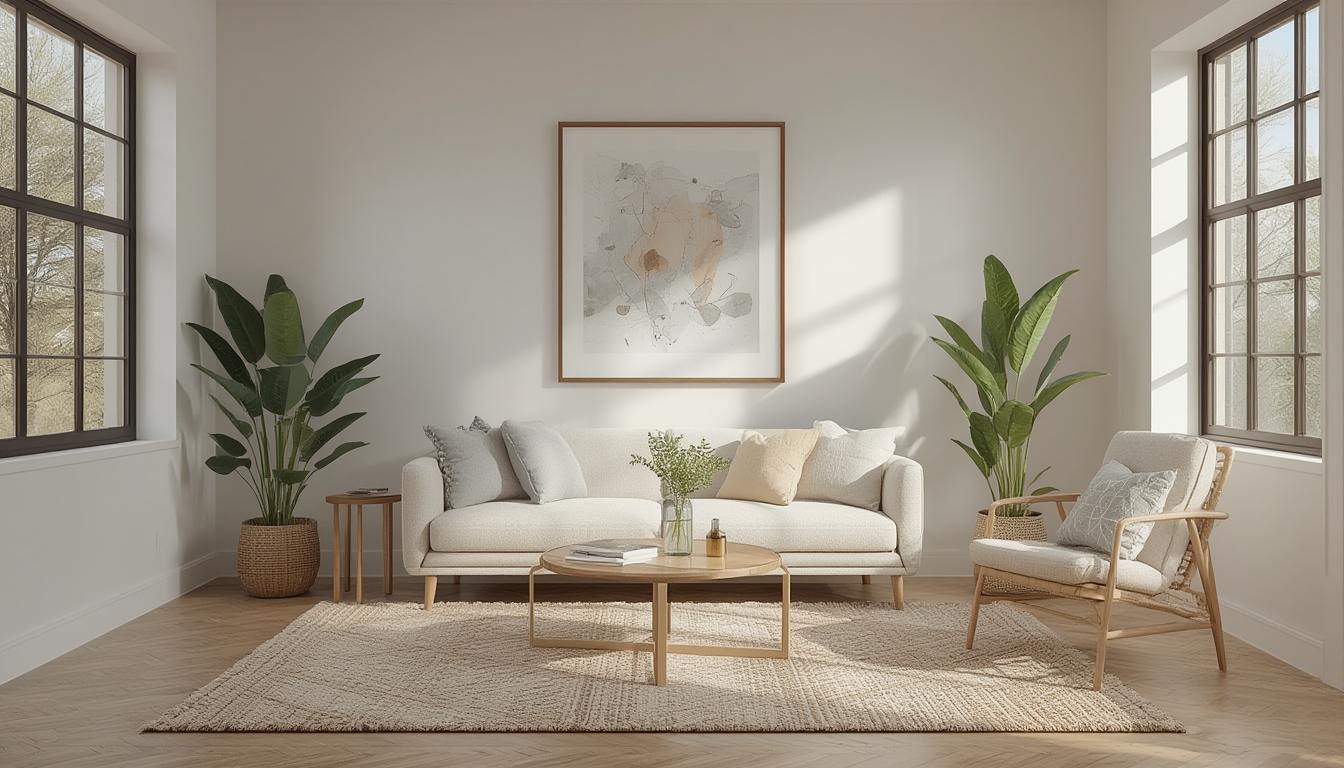
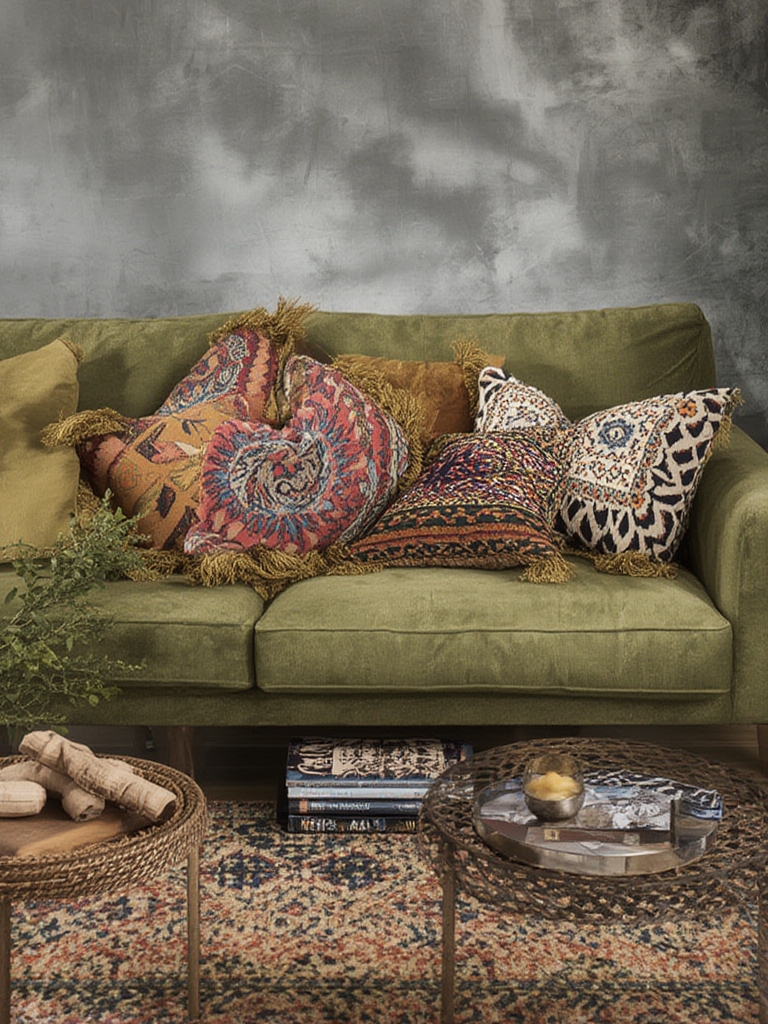
When you walk into a room, the colors, textures, and layout silently influence your mood, stress levels, and overall well‑being. This isn’t a coincidence—decor psychology is a science backed by research in environmental psychology, neuroscience, and interior design. By applying data‑driven insights, you can transform any space into a wellness‑focused sanctuary that supports mental clarity, emotional balance, and physical health. Below is a practical, step‑by‑step guide to styling a living area using decor psychology principles, complete with the tools you’ll need and actionable tips for each phase.
1. Ground Your Design in Data‑Backed Psychology
1.1 Identify the Desired Emotional Outcome
Start by deciding what feeling you want the room to evoke—calm, focus, creativity, or social connection. Research shows that:
- Soft blues and greens lower heart rate and blood pressure (Journal of Physiological Anthropology, 2022).
- Warm yellows and oranges boost dopamine, enhancing optimism and sociability (Color Research & Application, 2021).
- Neutral tones like beige and taupe provide a “blank canvas” that reduces visual clutter and mental fatigue (Environmental Psychology Review, 2020).
Write the chosen emotion on a sticky note and keep it visible throughout the redesign.
1.2 Conduct a Quick Space Audit
Measure the room’s dimensions, note natural light sources, and list existing furniture. Use a simple spreadsheet to track:
| Element | Size (sq ft) | Light Exposure | Current Mood Influence |
|---|---|---|---|
| Wall A | 12 | North‑facing | Cool, subdued |
| Sofa | 6 | East‑facing | Neutral |
| Window | 4 | South‑facing | Bright |
This audit helps you allocate colors, textures, and lighting strategically.
2. Choose Wellness‑Focused Color Palettes
2.1 Primary Color Selection
Based on your emotional goal, pick a primary hue covering 60‑70 % of the walls or large furniture. For a calming bedroom, a muted sage green (HEX #9CAEA4) works well. For a creative studio, a soft teal (HEX #6EB5C0) stimulates imagination without overwhelming.
2.2 Accent Colors for Balance
Introduce a complementary accent color on 20‑30 % of surfaces—think cushions, artwork, or a single accent wall. Use the 60‑30‑10 rule to keep the palette harmonious. Data from a 2023 interior design survey shows that rooms with balanced accent usage receive 35 % higher satisfaction scores.
2.3 Tools Needed
- Color swatch book or digital color picker app
- Painter’s tape for test strips
- Sample paint cans (¼ gal)
3. Optimize Lighting for Mental Health
3.1 Natural Light Maximization
Position mirrors opposite windows to reflect daylight, increasing perceived space by up to 20 % (Harvard GSD study, 2021). Use sheer curtains to diffuse harsh glare while preserving UV‑beneficial light.
3.2 Artificial Lighting Layers
Implement a three‑layer lighting system:
- Ambient: Overhead LED fixtures with a color temperature of 2700‑3000 K for a warm, relaxing glow.
- Task: Adjustable desk lamps (4000‑5000 K) for reading or work zones, reducing eye strain.
- Accent: Soft LED strips behind shelving or artwork to create visual depth and calm.
3.3 Tools Needed
- LED dimmer switch
- Smart bulbs (compatible with color temperature adjustments)
- Measuring tape for fixture placement
4. Curate Textures and Materials for Sensory Wellness
4.1 Soft Textiles for Tactile Comfort
Incorporate natural fibers—cotton, linen, wool—into cushions, throws, and rugs. A 2022 study found that tactile exposure to natural textures reduces cortisol by 12 % compared to synthetic materials.
4.2 Biophilic Elements
Introduce plant life or natural wood finishes. Even a single 12‑inch pothos can improve air quality and increase perceived well‑being by 18 % (NASA Clean Air Study, 2020).
4.3 Tools Needed
- Plant pot with drainage
- Potting soil and small gardening trowel
- Fabric swatches for texture comparison
5. Step‑by‑Step Styling Process
5.1 Preparation (Day 1)
Tools: Painter’s tape, drop cloths, screwdriver set, measuring tape.
- Clear the room of all movable items. Store furniture in another space or use sliders to protect floors.
- Cover floors with drop cloths to prevent paint splatter.
- Apply painter’s tape to trim and ceiling lines for clean edges.
Actionable tip: Take a before‑photo for later comparison; it also helps track progress.
5.2 Paint Application (Day 2‑3)
Tools: ¼ gal paint cans, 2‑inch roller, angled brush, paint tray.
- Start with the ceiling (if repainting) using a roller to avoid drips.
- Paint the primary walls using a “W” pattern for even coverage.
- Allow 2 hours drying time, then apply a second coat if needed.
- Remove painter’s tape while paint is still slightly tacky to avoid peeling.
Actionable tip: Use a low‑odor, VOC‑free paint to maintain indoor air quality.
5.3 Lighting Installation (Day 4)
Tools: Ladder, screwdriver, voltage tester, wire nuts.
- Turn off power at the breaker.
- Replace existing bulbs with smart LEDs; set the default to warm ambient.
- Install dimmer switches for the main overhead fixture.
- Mount accent LED strips behind shelving using adhesive backing.
Actionable tip: Program a “sunrise” scene on smart bulbs to gradually increase light intensity in the morning, supporting circadian rhythms.
5.4 Furniture Arrangement (Day 5)
Tools: Furniture sliders, measuring tape, floor plan app (optional).
- Place the largest piece (sofa or bed) against the wall that receives the most natural light.
- Create a “conversation triangle” with chairs positioned at 108‑degree angles for optimal eye contact.
- Leave at least 24‑inches of walking space around each piece to promote fluid movement.
Actionable tip: Use a floor plan app to experiment with layouts before moving heavy furniture.
5.5 Adding Textiles & Biophilic Elements (Day 6)
Tools: Throw blankets, decorative pillows, indoor plants, decorative trays.
- Layer a soft rug (4‑6 mm pile) in the center of the seating area.
- Arrange cushions in a 2‑1‑2 pattern (two large, one small, two large) to create visual rhythm.
- Place a medium‑size plant on a side table; ensure it receives 4‑6 hours of indirect light.
- Finish with a cozy throw draped over the back of the sofa.
Actionable tip: Rotate decorative items weekly to keep the environment fresh and engaging for the brain.
5.6 Final Touches & Wellness Check (Day 7)
Tools: Air quality monitor, scent diffuser.
- Run an air quality monitor for 10 minutes; aim for CO₂ levels below 800 ppm.
- Add a subtle essential oil blend (lavender + bergamot) in a diffuser for a calming aroma.
- Take a moment to sit in the space, notice how the colors, light, and textures affect your breathing and mood.
Actionable tip: Journal a quick note on how you feel; over time, you’ll see measurable improvements in stress and focus.
6. Maintenance for Long‑Term Wellness
6.1 Weekly Light & Air Refresh
Dust light fixtures and clean windows to maintain maximum natural light. Replace diffuser reeds every 2 weeks to keep scent levels consistent.
6.2 Seasonal Color Refresh
Swap out accent pillows or throws with seasonal hues—cool greys in winter, bright corals in summer—to align with changing emotional needs.
6.3 Plant Care Routine
Water plants according to the “finger test”: stick a finger 1 inch into the soil; if dry, water. Prune yellow leaves monthly to encourage healthy growth.
By following this data‑driven, step‑by‑step approach, you’ll create a space that not only looks beautiful but actively supports mental clarity, emotional balance, and physical health. The combination of purposeful color, layered lighting, tactile comfort, and biophilic touches turns any room into a wellness‑focused haven—one that you’ll enjoy returning to day after day.