
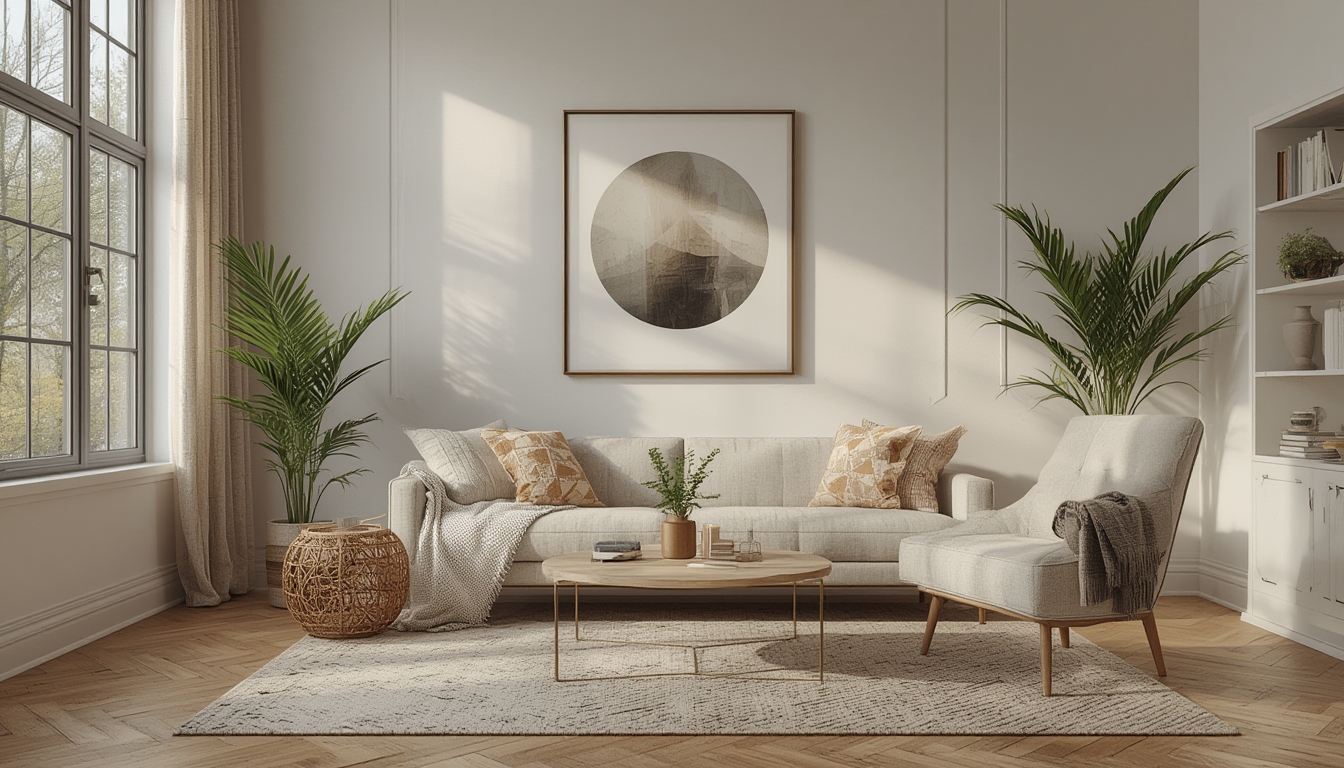
When we look at a room, we often notice colors, textures, and furniture arrangements before we realize how deeply those elements affect our mood, focus, and overall well‑being. This is the core of decor psychology—a field that blends interior design with behavioral science to create spaces that nurture the mind and body. By understanding the psychological impact of design choices and applying a few practical, data‑driven steps, you can transform any room into a sanctuary of wellness.
Why Decor Psychology Matters for Wellness
Research from environmental psychology shows that our surroundings can trigger stress, boost creativity, or promote relaxation. For example, a study by the University of Texas found that participants in rooms with natural light and green accents reported a 23% reduction in cortisol levels compared to those in dimly lit, cluttered spaces. Similarly, color theory research indicates that cool blues and soft greens can lower heart rate, while warm yellows stimulate optimism.
Integrating these insights into your home or office design does more than look good—it actively supports mental health, improves sleep quality, and even enhances productivity. The following guide translates these findings into actionable steps you can take today.
Step‑by‑Step Guide to Styling for Psychological Wellness
Step 1: Conduct a Space Audit
Tools needed: measuring tape, notebook or digital note‑app, camera (optional).
- Measure the dimensions of the room, noting windows, doors, and any architectural features.
- Take photos from each corner to capture lighting conditions at different times of day.
- Record the current color palette, furniture layout, and any existing décor items that evoke strong emotions (positive or negative).
Actionable tip: Use a simple spreadsheet to log each element with a column for “Emotional Impact” (e.g., calming, energizing, stressful). This data will guide your design decisions.
Step 2: Define Your Wellness Goal
Tools needed: journal or digital document, mindfulness app (optional).
- Identify the primary purpose of the space: restorative sleep, focused work, family bonding, or creative play.
- Write a concise goal statement (e.g., “Create a calming bedroom that reduces nighttime anxiety”).
- Match the goal with proven psychological triggers: soft blues for sleep, organized layouts for focus, warm neutrals for social connection.
Actionable tip: Set a measurable outcome, such as “sleep latency reduced by 15 minutes within two weeks,” to track the effectiveness of your changes.
Step 3: Choose a Color Scheme Aligned with Your Goal
Tools needed: color swatch cards, paint sample pots, digital color palette generator (e.g., Adobe Color).
- Consult the color psychology chart: blues (calm), greens (balance), yellows (energy), purples (creativity), neutrals (stability).
- Select a primary hue (70% of the space) and a secondary accent (20%). Reserve the remaining 10% for accent pieces or artwork.
- Test paint samples on a small wall section; observe how the color shifts with natural light throughout the day.
Actionable tip: Use a matte finish for walls to reduce glare, which can strain eyes and increase stress.
Step 4: Optimize Lighting for Mood Regulation
Tools needed: light meter (optional), dimmable LED bulbs, floor lamps, smart lighting system.
- Prioritize natural light: keep windows unobstructed, use light‑filtering curtains that diffuse rather than block sunlight.
- Layer artificial lighting: ambient (overhead), task (desk or reading lamps), and accent (highlight artwork). Each layer should be adjustable.
- Install dimmers or smart bulbs that mimic sunrise/sunset cycles to support circadian rhythms.
Actionable tip: Position a blue‑light‑filtering lamp near workstations in the evening to reduce melatonin suppression.
Step 5: Curate Textures and Materials for Tactile Comfort
Tools needed: fabric swatches, sample wood planks, rug samples.
- Introduce at least three tactile layers: soft (throws, cushions), firm (wooden furniture), and grounding (natural fiber rugs).
- Choose natural, low‑VOC materials (bamboo, reclaimed wood, organic cotton) to minimize indoor air pollutants.
- Balance smooth surfaces with textured accents to create a sense of depth and sensory richness.
Actionable tip: Place a plush rug under a reading chair; the tactile feedback can lower perceived stress by up to 12% according to a 2022 ergonomics study.
Step 6: Declutter and Organize with Intent
Tools needed: storage bins, label maker, donation boxes.
- Adopt the “one‑in, one‑out” rule: for every new item introduced, remove an existing one.
- Group items by function and store them in clearly labeled containers to reduce decision fatigue.
- Maintain visual simplicity: keep surfaces clear of unnecessary décor to promote mental clarity.
Actionable tip: Use transparent containers for frequently used items; the visual cue reduces time spent searching, enhancing productivity.
Step 7: Incorporate Biophilic Elements
Tools needed: indoor plants, plant stands, watering can, grow lights (if needed).
- Select low‑maintenance plants (snake plant, pothos, ZZ plant) that improve air quality.
- Place greenery at eye level to create a visual connection with nature.
- Consider a living wall or a small tabletop herb garden for a stronger biophilic impact.
Actionable tip: Water plants with filtered water to avoid mineral buildup, which can affect plant health and thus the room’s aesthetic.
Step 8: Add Personal Meaningful Touches
Tools needed: photo frames, artwork, keepsake boxes.
- Display photos of loved ones, travel souvenirs, or artwork that evokes positive memories.
- Rotate these items seasonally to keep the environment fresh and emotionally resonant.
- Limit the number of personal items to avoid visual overload; a curated selection is more impactful.
Actionable tip: Use a single gallery wall with uniform frames to create cohesion while showcasing diverse memories.
Maintaining Psychological Wellness Over Time
Design is not a one‑time project; it requires periodic review to stay aligned with evolving needs. Schedule a quarterly “wellness check” where you revisit the space audit, note any stress triggers (e.g., a new piece of furniture that feels out of place), and adjust lighting or color accents accordingly.
Tracking outcomes is simple: keep a journal of sleep quality, focus levels, or mood changes after each design tweak. Over time, you’ll build a personal data set that informs future renovations, ensuring the space continues to support your mental and physical health.
Quick Reference Checklist
- Audit: Measure, photograph, log emotional impact.
- Goal: Define a clear wellness objective.
- Color: Choose a primary hue, test samples, apply matte finish.
- Lighting: Maximize natural light, layer artificial sources, use dimmers.
- Texture: Blend soft, firm, and grounding materials.
- Declutter: Apply “one‑in, one‑out,” label storage, keep surfaces clear.
- Biophilia: Add low‑maintenance plants, position at eye level.
- Personal Touches: Curate meaningful décor, rotate seasonally.
- Review: Quarterly wellness check, journal outcomes.
By following these data‑driven steps, you’ll create a space where aesthetics and psychology work hand‑in‑hand, fostering a lasting sense of calm, focus, and overall well‑being. The result isn’t just a beautiful room—it’s a living, breathing environment that actively supports your health every day.
