

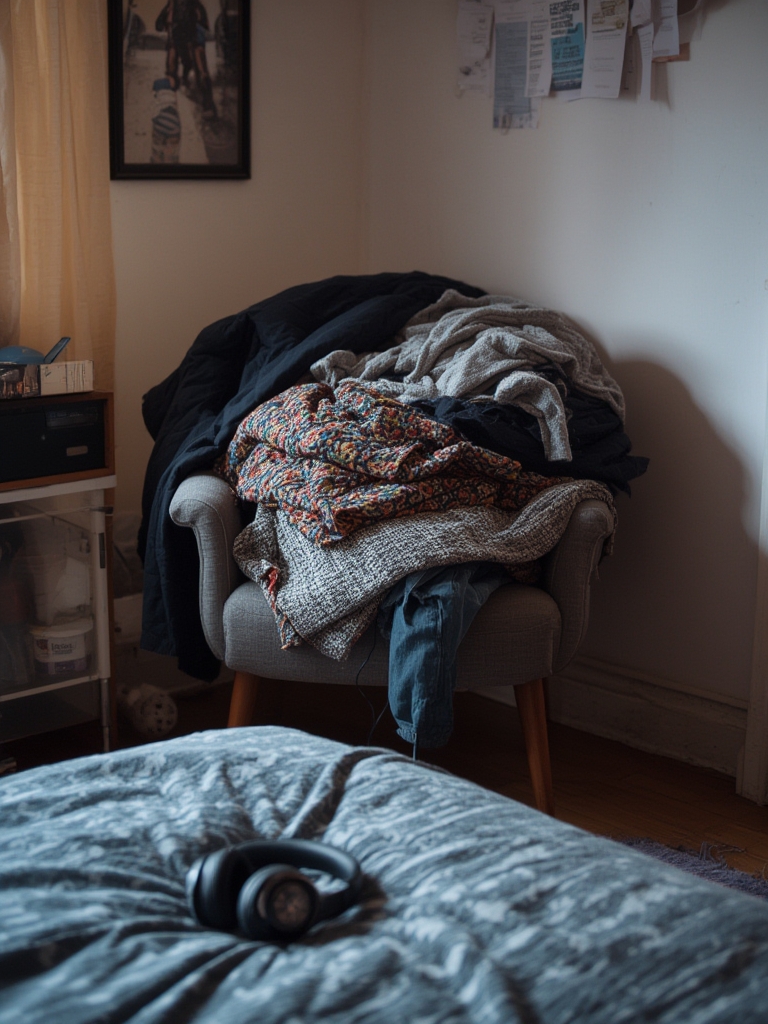
Reviving each space in your home can feel like a massive project, but breaking it down room by room makes the process manageable and rewarding. Below is a data‑driven, step‑by‑step guide that walks you through assessing, restoring, and styling every major area. Follow the practical tips, gather the recommended tools, and watch each room transform from tired to timeless.
1. Living Room – The Central Hub
Step 1: Assess & Measure
- Tool needed: Tape measure, laser level.
- Measure wall lengths, ceiling height, and window dimensions. Record these numbers in a spreadsheet to calculate furniture footprints and paint coverage.
- Take photos from each corner; note any damage, wear, or outdated finishes.
Step 2: Declutter & Sort
- Use three boxes labeled Keep, Donate, and Discard. Move items one at a time to avoid overwhelm.
- For items you keep, categorize by function (seating, storage, décor) to streamline later placement.
Step 3: Repair & Prep Surfaces
- Tools: Spackle, putty knife, sandpaper (120‑grit), drywall saw.
- Fill nail holes and small cracks with spackle. Let dry 15‑20 minutes, then sand smooth.
- For larger holes, cut a matching drywall patch, secure with joint compound, and sand flush.
Step 4: Paint & Finish
- Calculate paint needed: (wall area in sq ft ÷ 350) = gallons. Add 10 % extra for touch‑ups.
- Use a high‑quality primer on repaired spots, then apply two coats of your chosen color with a 2‑inch roller.
- Finish edges with a 2‑inch angled brush for crisp lines.
Step 5: Furniture Layout & Styling
- Place a rug that defines the seating area; a common rule is that at least the front legs of sofas and chairs sit on the rug.
- Introduce a focal point—such as a statement artwork or a sleek media console—then arrange seating around it.
- Add layered lighting: floor lamp, table lamp, and dimmable overhead lights for flexibility.
2. Kitchen – The Functional Heart
Step 1: Inventory & Plan
- List all appliances, cabinets, and countertop materials. Use a spreadsheet to note age, condition, and repair cost.
- Prioritize high‑traffic zones (sink, stove) for immediate attention.
Step 2: Deep Clean & Degrease
- Tools: Heavy‑duty scrub brush, degreaser, microfiber cloths.
- Apply degreaser to stovetop, range hood, and backsplash. Let sit 5 minutes, then scrub and wipe clean.
Step 3: Cabinet Refresh
- Remove doors and hardware. Clean with a mild soap solution.
- Sand lightly (220‑grit) to remove gloss, then apply a coat of primer.
- Choose a durable paint (semi‑gloss) for a modern look; two coats are recommended.
Step 4: Countertop & Backsplash Upgrade
- If budget allows, install a peel‑and‑stick backsplash tile; it’s a quick DIY with minimal tools.
- For laminate countertops, use a countertop refinishing kit (includes filler, sealer, and topcoat) to restore shine.
Step 5: Accessorize & Organize
- Install pull‑out drawer organizers for utensils and spices.
- Hang a magnetic knife strip to free up drawer space.
- Add a small herb garden on the windowsill for fresh flavor and visual interest.
3. Bedroom – The Personal Retreat
Step 1: Evaluate Comfort Factors
- Check mattress age; a mattress older than 7‑8 years often loses support.
- Measure window treatments to ensure proper light control and insulation.
Step 2: Wall Treatment
- Consider a calming palette (soft blues, greys, or muted greens). Use the same paint calculation method as the living room.
- For added texture, apply a subtle wallpaper accent on one wall—choose a pattern no larger than 12 inches for a sophisticated look.
Step 3: Furniture Refresh
- Reupholster the headboard with a neutral linen fabric; a staple gun and upholstery foam are all you need.
- Swap out dated nightstand hardware with brushed nickel pulls for instant modernity.
Step 4: Soft Furnishings
- Layer a plush area rug under the bed to add warmth and reduce noise.
- Introduce a mix of throw pillows (2‑3 sizes) in complementary textures—linen, velvet, and knit.
Step 5: Lighting & Ambiance
- Install a dimmable wall‑sconce on each side of the bed for reading.
- Place a small table lamp with a warm‑tone bulb on a nightstand for a cozy glow.
4. Bathroom – The Refresh Zone
Step 1: Inspect Fixtures
- Check for leaks in faucets, showerheads, and toilet flappers. A simple water‑pressure test can reveal hidden drips.
- Note any cracked tiles or grout discoloration.
Step 2: Grout & Tile Renewal
- Tools: Grout removal tool, rubber grout float, sealing spray.
- Remove deteriorated grout with a grout removal tool, then apply new grout (choose a color that matches or slightly contrasts the tile).
- Seal grout after 24 hours to prevent staining.
Step 3: Vanity Upgrade
- Paint the vanity with a water‑based cabinet paint; sand first for adhesion.
- Replace old hardware with matte black or brushed brass knobs for a fresh look.
Step 4: Shower & Tub Refresh
- Apply a clear acrylic shower liner to rejuvenate a faded tub surface without full replacement.
- Install a low‑flow showerhead to improve water pressure while conserving water.
Step 5: Styling Touches
- Hang a set of matching towel bars and hooks to create visual cohesion.
- Add a scented candle or an essential‑oil diffuser for a spa‑like atmosphere.
5. Entryway – First Impressions Count
Step 1: Clear the Path
- Remove shoes, coats, and any clutter. Use a small bench with storage underneath to keep essentials organized.
Step 2: Floor Protection
- Lay a durable runner (12‑15 inches wide) that can handle foot traffic. Secure with non‑slip backing.
Step 3: Wall & Mirror
- Install a medium‑size mirror at eye level; this visually expands the space and aids quick appearance checks.
- Paint the wall a welcoming hue—warm greys or soft taupes work well with most décor styles.
Step 4: Storage Solutions
- Mount a wall‑mounted coat rack with 4‑5 hooks. Pair with a small basket for keys and mail.
- Consider a slim console table for decorative trays and a decorative bowl for loose change.
Step 5: Finishing Details
- Place a potted plant or fresh‑cut flowers on the console for a touch of nature.
- Add a decorative rug runner that complements the hallway flooring for a cohesive look.
By tackling each room with a clear plan, the right tools, and actionable micro‑steps, you’ll achieve a cohesive home revival without feeling overwhelmed. Remember to document progress with before‑and‑after photos; they not only provide motivation but also help you fine‑tune future projects. Happy reviving!